Clever AI Detector
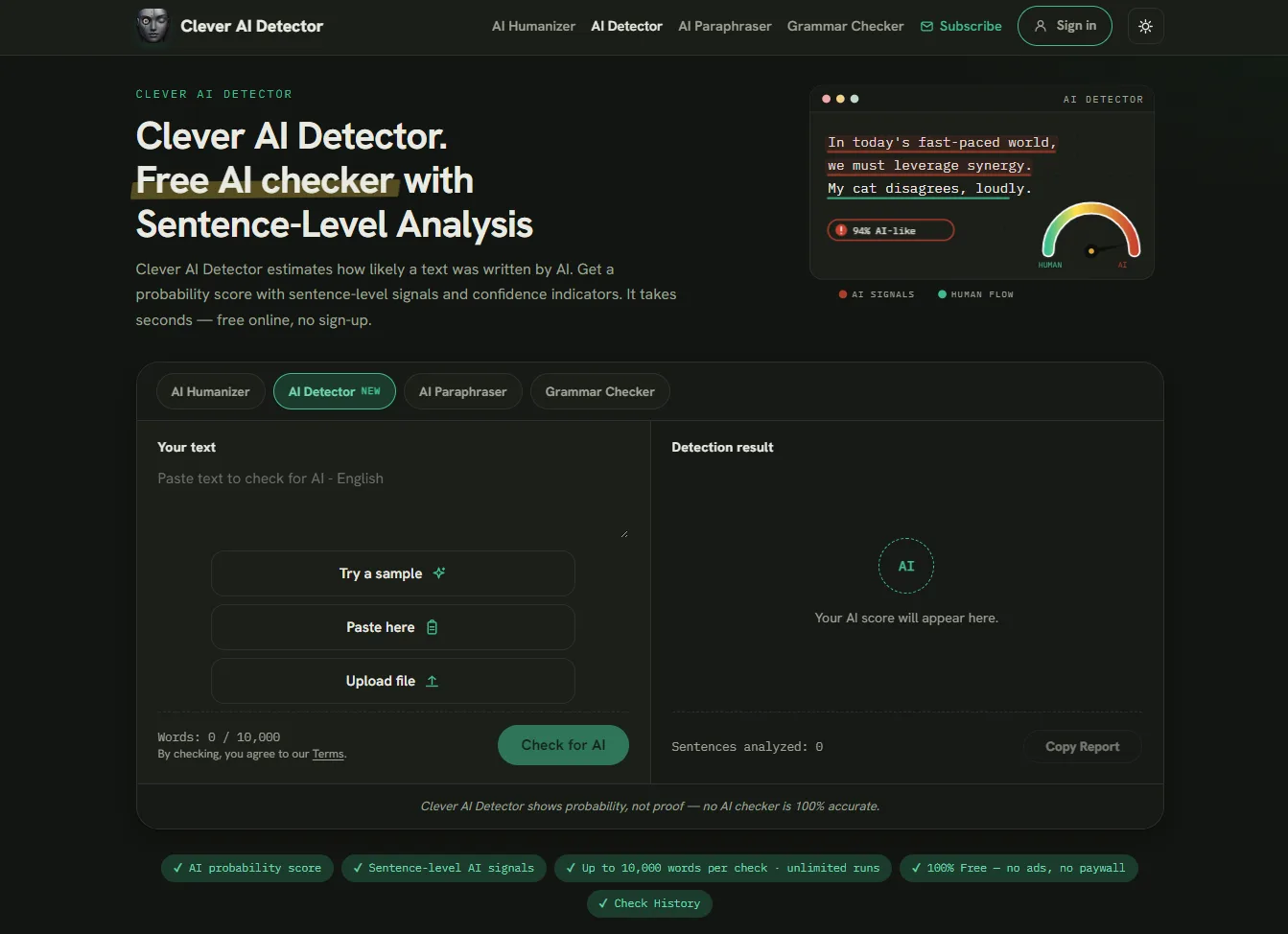
Clever AI Detector estimates how likely a text was written by AI. Get a probability score with sentence-level signals and confidence indicators.
Product screenshot
Overview
What is Clever AI Detector?
Clever AI Detector is a free online AI detection tool designed to estimate how likely a piece of text was written by artificial intelligence. Instead of presenting its results as absolute proof, the platform uses a probability-based approach that gives users a more transparent view of the detection process. It analyzes writing patterns and provides an overall AI probability score, confidence indicators, and sentence-level signals, helping users understand not only the result but also which parts of the text contributed to it.
The tool is designed to be quick and accessible. Users can paste their text directly into the detector, upload files, or use a sample to test the system. No account is required to perform a check, and the service is available without advertisements or a paywall. Each check can analyze up to 10,000 words, while users can run unlimited checks subject to service availability. This makes Clever AI Detector useful for checking everything from short emails and assignments to long-form articles, reports, blog posts, marketing content, and other English-language writing.
One of the platform's main features is sentence-level analysis. Rather than simply assigning a single score to an entire document, Clever AI Detector evaluates individual sentences and identifies the sections that show stronger AI-related signals. Its analysis considers statistical characteristics such as word predictability, sentence rhythm, writing regularity, and phrases commonly associated with AI-generated content. These signals are then combined into a probability score between 0 and 100, giving users additional context when reviewing the result.
Clever AI Detector places particular emphasis on transparency and uncertainty. The platform explicitly states that no AI detector is 100% accurate and that false positives can occur, especially with formal, heavily edited, or highly uniform writing. A high AI score should therefore be interpreted as a statistical indication rather than definitive evidence that a person used AI. Results closer to the middle of the scale indicate greater uncertainty, allowing users to take the confidence level into consideration rather than blindly relying on a single number.
The detector is designed to work across text generated by a wide range of modern AI writing systems. Its model-agnostic approach focuses on statistical writing patterns instead of attempting to identify a specific AI model. It can be used to analyze text potentially generated by tools such as ChatGPT, Gemini, Claude, DeepSeek, Microsoft Copilot, Grok, Llama, Mistral, Qwen, Perplexity, Jasper, Copy.ai, Writesonic, Notion AI, and other AI writing platforms.
Clever AI Detector can serve a variety of users. Editors and publishers can use it as an additional signal when reviewing submissions and guest content. Professionals can check emails, reports, proposals, and other important documents to see whether their writing has characteristics commonly associated with machine-generated text. SEO professionals and content marketing teams can use it to review their content, while writers can analyze their own work and identify sections that may read as overly predictable or machine-like.
Another useful feature is Check History, which is available to registered users. Creating a free account allows users to save previous checks, return to earlier results, and review how their scores change over time. The basic detector itself remains available without registration, while the optional account provides additional convenience for people who use the tool regularly.
Overall, Clever AI Detector provides a straightforward and transparent way to evaluate the likelihood that English text was generated by AI. With free unlimited checks, support for up to 10,000 words per check, sentence-level signals, confidence indicators, probability-based scoring, and optional check history, it offers users more context than a simple AI-or-human verdict. Its emphasis on uncertainty also encourages responsible use, making the tool best suited as one piece of information within a broader review process rather than as definitive proof of AI authorship.
Platforms and languages
Clever AI Detector Availability
Platforms
Languages
Plans and access
Clever AI Detector Pricing
Free
Compare similar tools
Clever AI Detector Alternatives
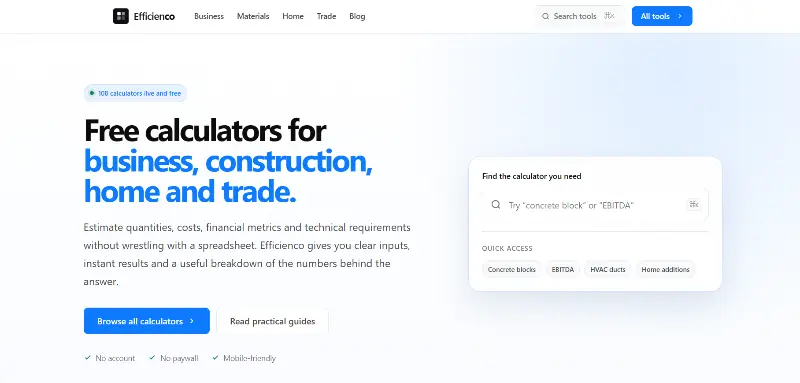 EfficiencoEstimate material quantities, project costs, dimensions and building-system requirements without wrestling with a spreadsheet. Efficienco gives builders, contractors, homeowners and DIYers clear inputs, instant results and transparent breakdowns.AI Specialized Toolsconstructionmaterialshome-improvement
 PhotopiyaPhotopiya is a free, browser-based AI photo editor that runs entirely on your device via WebGPU.AI Specialized ToolsAI Creation Generationphoto editorAIimage editing
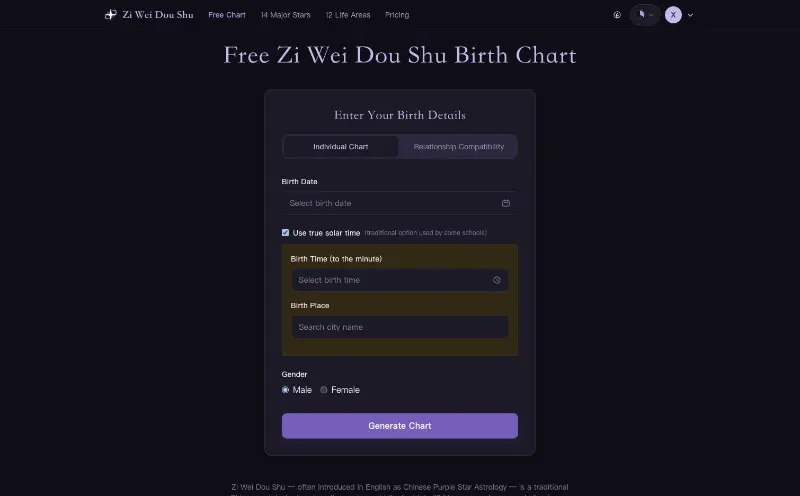 Zi Wei Dou ShuExplore Chinese Purple Star Astrology with a free birth chart and a brief AI reading. Learn the 14 major stars and 12 palaces, with optional paid in-depth readings and six interface languages.AI Specialized Toolsastrologybirth chartChinese astrology
 celebritylookalikefinder.Celebrity Lookalike Finder is an AI-powered platform that helps you discover your closest celebrity look-alikes with fast, accurate, and entertaining face matching technology.AI Specialized ToolsAI FaceCelebrityLookalike
 CheckPassportPhotoPrivate US passport and visa photo checks with explainable results.AI Specialized Toolspassport photovisa photophoto checker
 online inclinometerAn online inclinometer is a convenient tool for measuring angles and slopes directly from your device. It can be useful for checking surface inclinations, alignment, construction projects, DIY tasks, educational activities, and everyday measurements.AI Specialized Toolsonline inclinometer
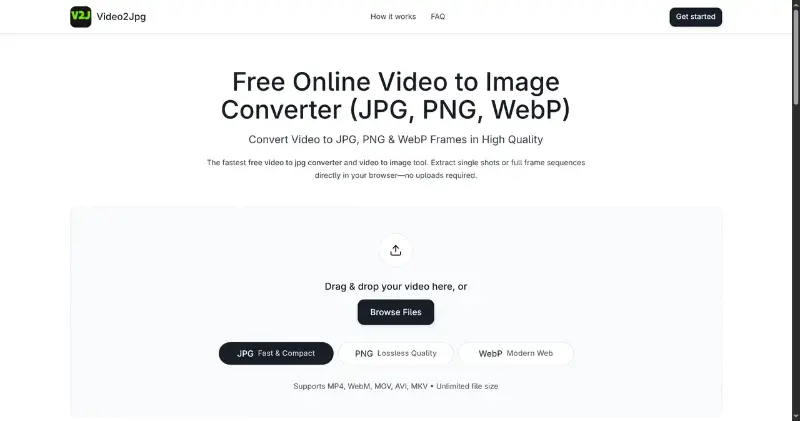 Video2JpgConvert video to JPG, PNG, or WebP frames in your browser. High-quality video to image converter with no uploads—fast, private, and free.AI Video CreationAI Image GenerationAI Specialized ToolsVideoImage ConverterVideo to JPG
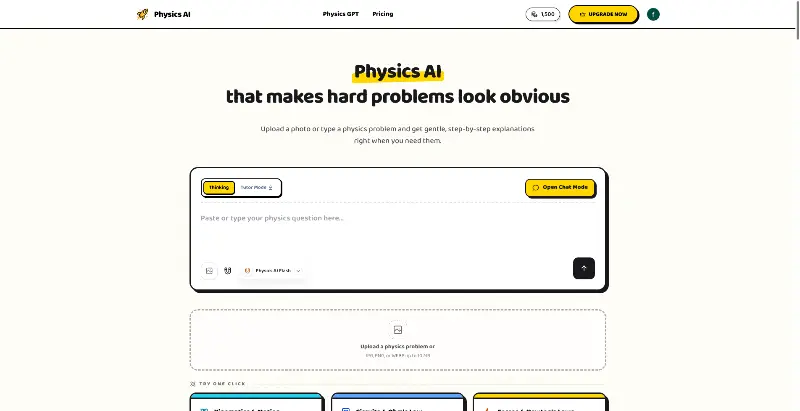 Physics AISolve physics problems online with AI-powered, step-by-step explanations across mechanics, electricity, thermodynamics, waves, and more.AI Knowledge LearningAI Research AnalysisAI Specialized Toolsphysicseducationhomework
Reviews
See what the community thinks and share your experience.
—
Based on 0 ratings
Rating distribution
Community reviews
No reviews
No written reviews yet.