Scan packaged-food barcodes and turn ingredient lists into plain-English explanations, body-impact maps, and evidence-backed context.
Product screenshot
Overview
What is Aurascan?
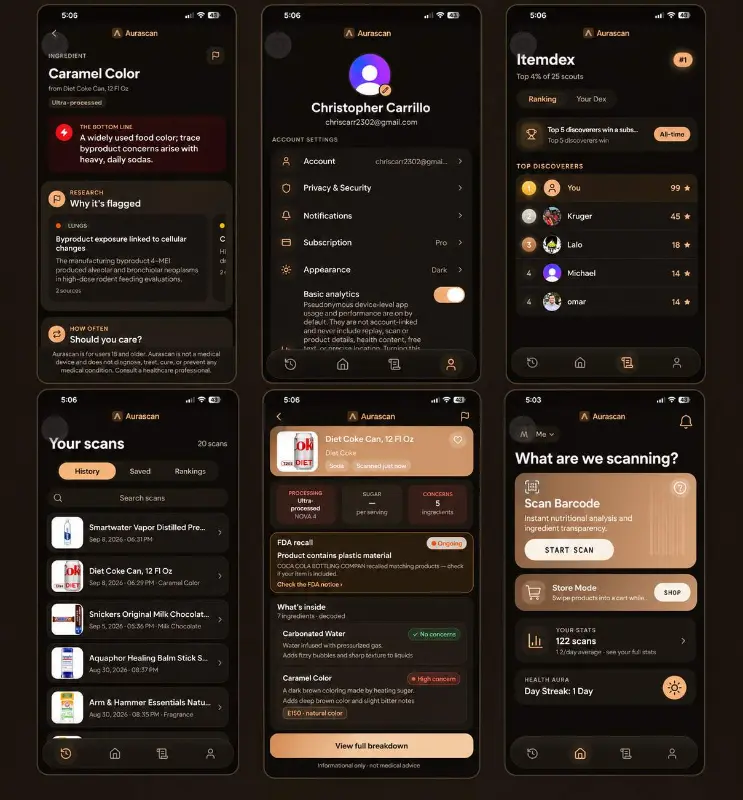
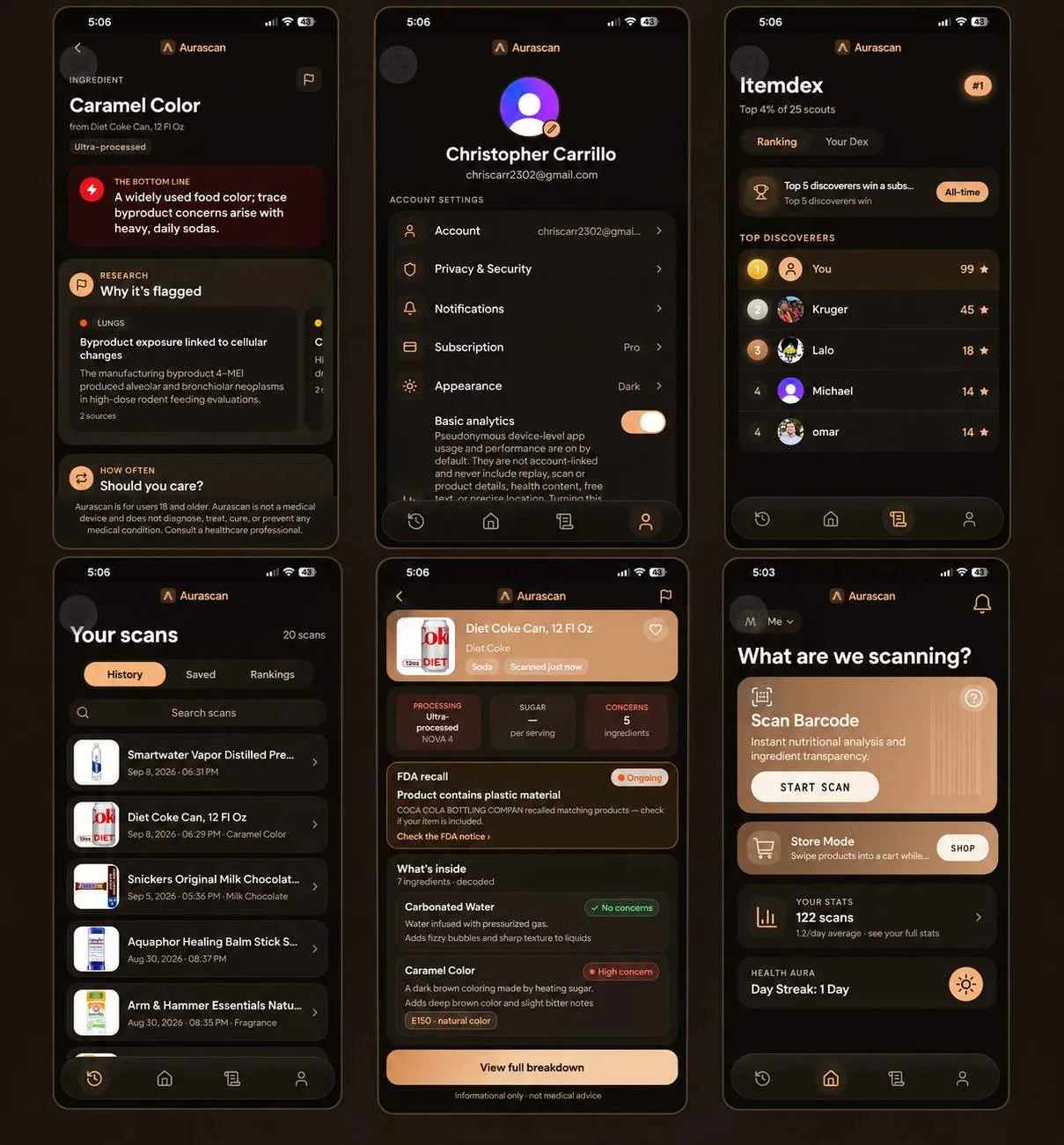
Aurascan is a personal nutrition and food label scanning platform designed to make packaged food labels easier to understand. Instead of requiring users to research unfamiliar ingredients, additives, or processing information on their own, Aurascan uses barcode scanning to provide nutritional analysis and ingredient transparency in plain English. The platform is built around a simple idea: scan a product, understand what is inside it, see how the ingredients may relate to different areas of the body, and track eating patterns over time.
The experience begins with the barcode scanner. Users can point their phone's camera at a product barcode, allowing Aurascan to identify the food quickly. Once a product has been recognized, the platform breaks down its ingredients and translates technical label information into language that is easier to understand. Ingredients such as artificial sweeteners, preservatives, color additives, and other compounds can be explained individually, helping users make more informed decisions while shopping.
Aurascan also provides a processing assessment for products. Ingredients are placed on a processing scale, giving users additional context about how processed a particular food may be. The platform incorporates the NOVA processing score alongside ingredient information, helping shoppers distinguish between minimally processed products and foods containing more heavily processed ingredients. Rather than focusing only on the marketing claims displayed on the front of a package, Aurascan encourages users to look deeper into the actual ingredient list.
Another central feature is the platform's body impact visualization. Aurascan maps flagged ingredients to different systems of the body, such as the gut, nervous system, and immune system. The information is presented through a visual body map designed to make complex ingredient information easier to interpret. Depending on the user's plan and profile, the platform can also provide personalized insights based on individual habits, allergens, and other relevant factors.
The app is designed not only for individual product analysis but also for long-term tracking. Every scan can contribute to a user's personal food history, allowing them to observe patterns in what they eat over days and weeks. Users can track their clean rate, maintain scanning streaks, and identify recurring patterns in their food choices. This transforms individual barcode scans into a broader picture of eating habits rather than treating every product as an isolated decision.
Aurascan offers several plans designed for different levels of nutrition tracking. The free Explorer plan provides unlimited product scans, basic ingredient breakdowns, and a simple body map. The Plus plan adds advanced ingredient analysis, a personalized full-body map, allergen and condition warnings, ingredient deep-dives, and a seven-day free trial. The upcoming Pro plan is designed for users who want deeper scientific evidence, long-term exposure history, advanced nutrient synchronization, personalized harmful-ingredient lists, trend analytics, and journaling tools.
The platform is currently positioned around early access and beta availability, with users able to join the waitlist for launch access. Aurascan also promotes a launch offer in which the first 500 signups can receive 50% off for life. Its focus on simple explanations, fast scanning, personalized insights, and long-term food tracking makes it particularly appealing to health-conscious shoppers who want to better understand the products they purchase.
Overall, Aurascan aims to simplify the process of interpreting food labels and turning ingredient information into practical insights. By combining barcode scanning, ingredient explanations, processing scores, body impact mapping, personalized guidance, and food-history tracking, the platform gives users a convenient way to explore what is really inside packaged foods and make more informed choices based on the information available to them.
Platforms and languages
Aurascan Availability
Platforms
Languages
Plans and access
Aurascan Pricing
Freemium
Compare similar tools
Aurascan Alternatives
 wowsleepcalculatorWowSleepCalculator exists to help people plan better sleep, understand their wellbeing and take small, practical steps toward healthier routines. Every tool we ship comes with a documented formula, a plain-language explanation and clear limitations.AI Healthcare SolutionsOnlineCalculators FreeCalculators tool
 PKJ CoachingPKJ Coaching is nervous system–centered ADHD coaching for high-performing adults who are tired of running on pressure, urgency, and burnout. Start with Resonance, a $37/month weekly regulation membership, or apply for personalized 1:1 coaching through the 90-day Convergence Method.AI Healthcare Solutions
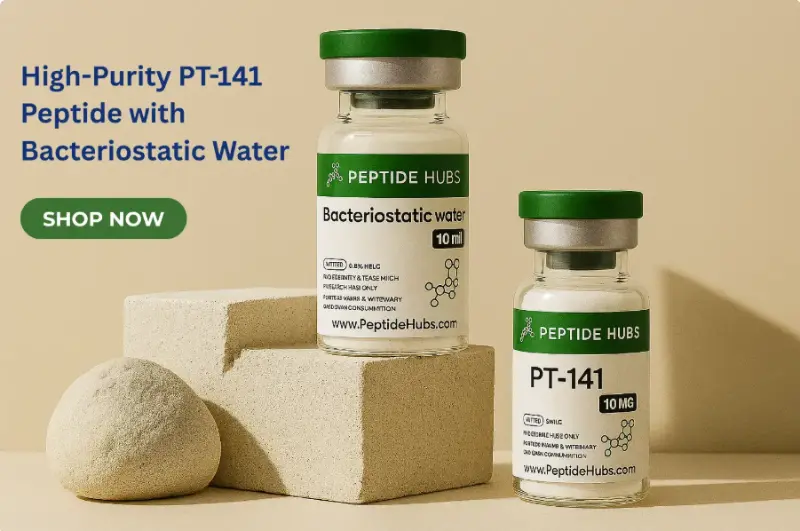 Peptide HubsPeptide Hubs delivers premium USA-made research peptides with over 99% purity for performance, recovery, and wellness. Every product is lab-tested for safety and potency, including BPC-157, TB-500, Semaglutide, and more. With fast US and international shipping plus dedicated customer support, Peptide Hubs is your trusted source for high-quality peptides to support muscle growth, fat metabolism, and healthy aging.AI Business SolutionsAI Healthcare SolutionsResearchPharmaceuticalHealth & Fitness
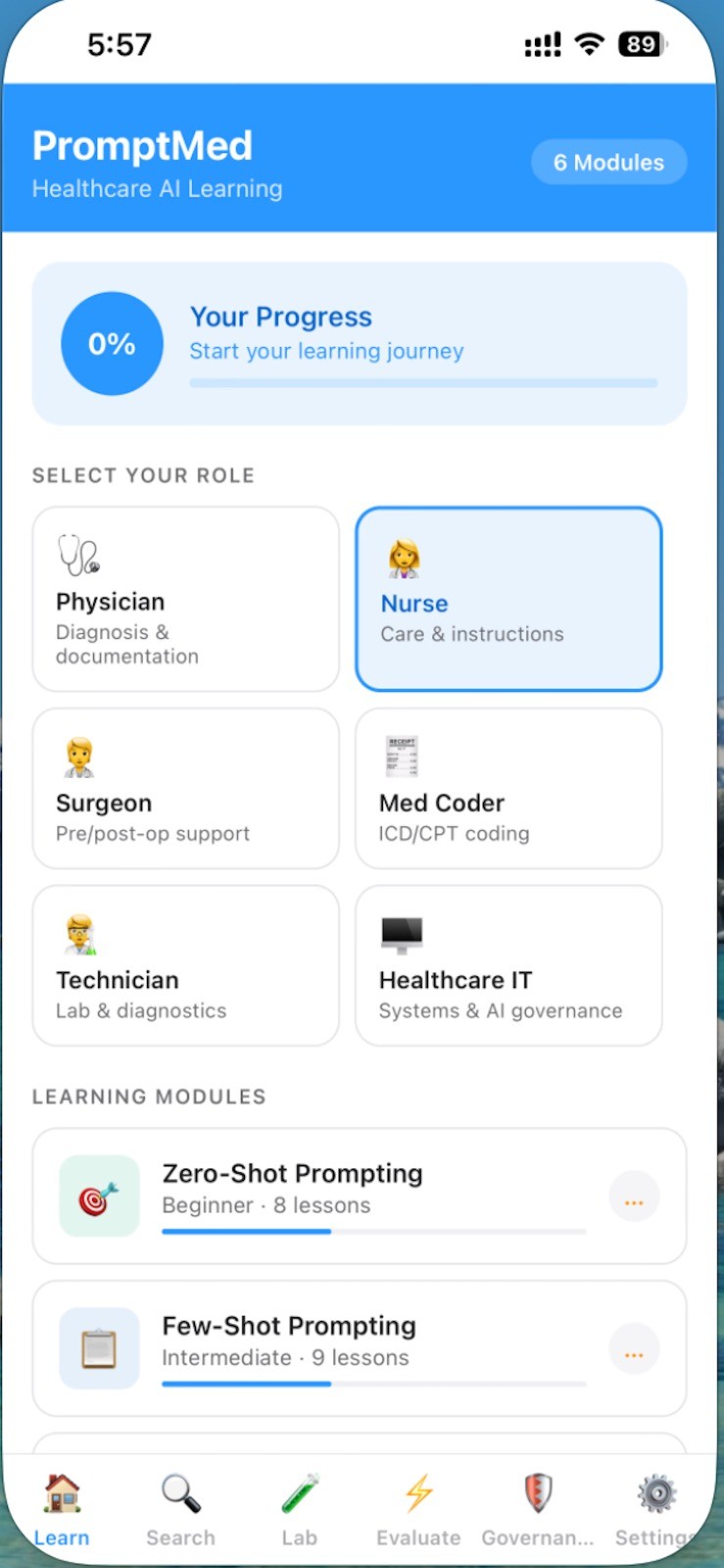 PromptMedPromptMed teaches healthcare professionals how to effectively use AI tools through interactive learning modules and real clinical examples.AI Healthcare Solutions
 AI Doctor NotesPrivate doctor visit notes app for patients & caregiversAI Personal AssistantsAI Productivity ToolsAI Healthcare SolutionsAI
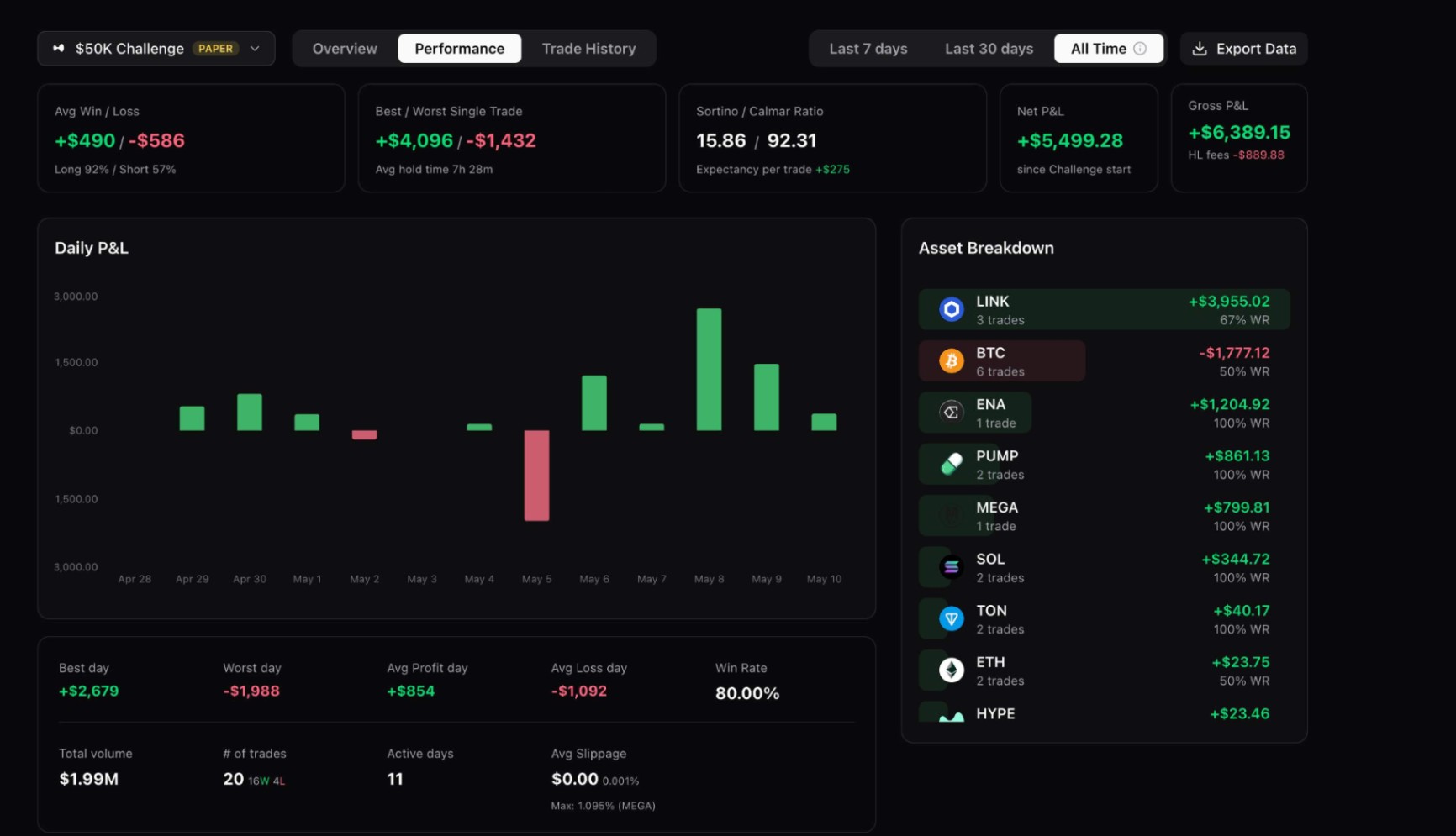 ProprGet funded up to $100K to trade crypto markets with clear rules, on-chain payouts, and up to 80% profit split.AI Healthcare Solutions
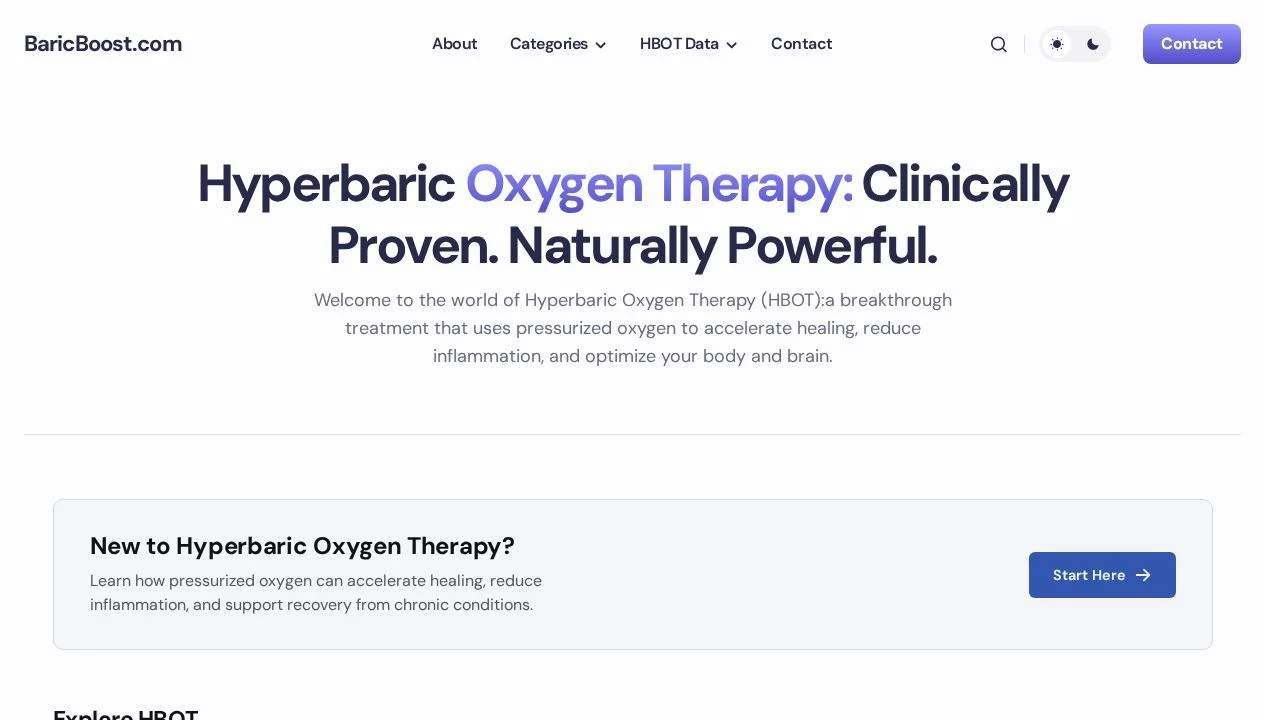 BaricBoostBaricBoost.com is the independent buyer's guide to hyperbaric oxygen therapy (HBOT). We publish evidence-based content covering 40+ medical conditionsAI Healthcare Solutions
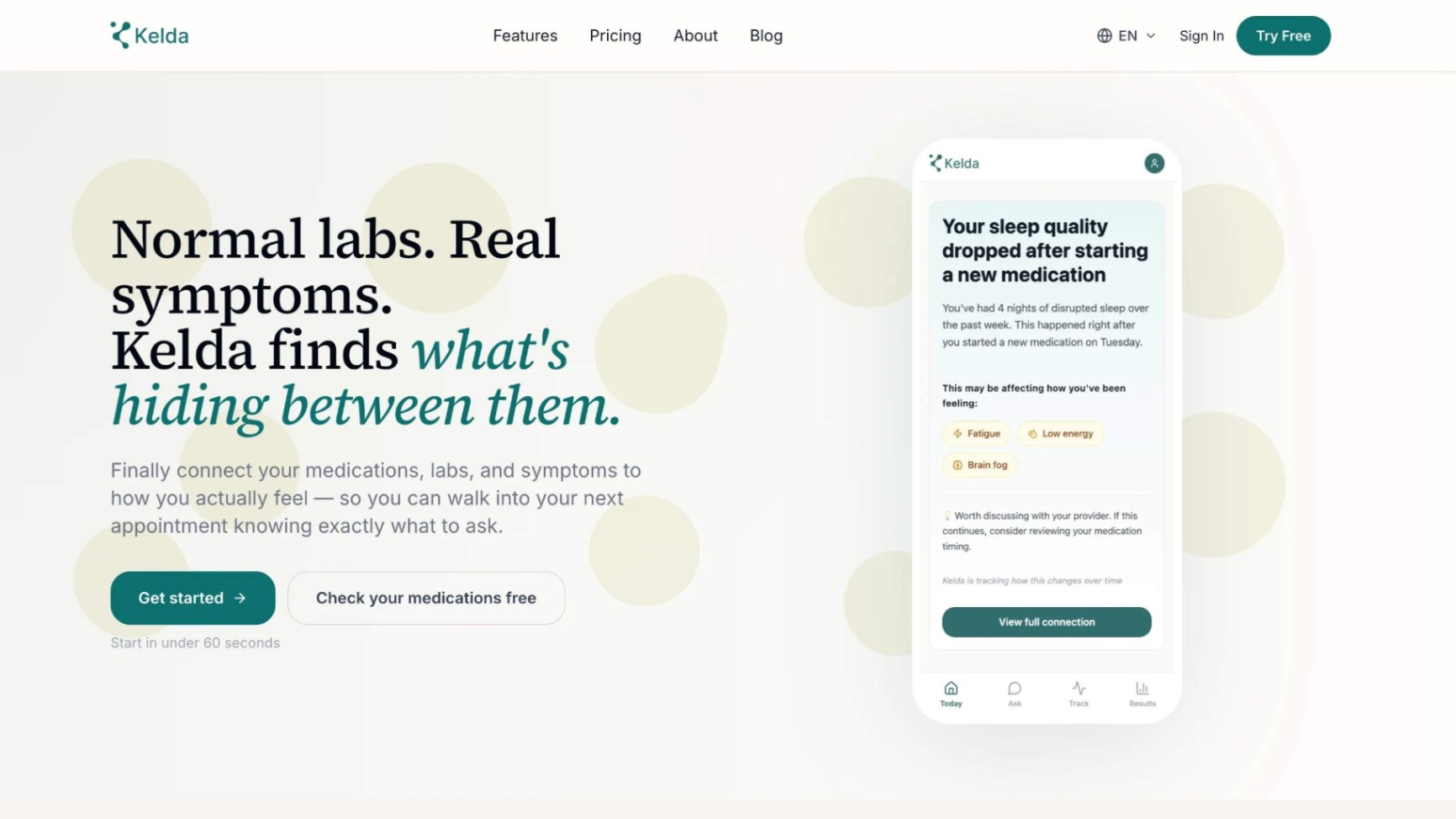 KeldaKelda Health helps people understand medications, nutrients, biomarkers, and symptoms with clear, research-informed wellness content and insights.AI Healthcare Solutions
 LongevitersTrusted Longevity Expert Guides & Biohacking Product ReviewsAI Healthcare Solutions
 glass repairGlass is everywhere in our daily lives—windows, doors, mirrors, tabletops, and shower enclosures. It provides light, visibility, and aesthetic appeal to our homes and workplaces. But glass is also fragile. When it breaks, cracks, or fails, it creates immediate practical and safety concerns. This guide explains everything you need to know about glass repair, from common problems to safety precautions, cost considerations, and when to call a professional service like Aluminum Glass Fix.AI Healthcare Solutions
Reviews
See what the community thinks and share your experience.
—
Based on 0 ratings
Rating distribution
Community reviews
No reviews
No written reviews yet.