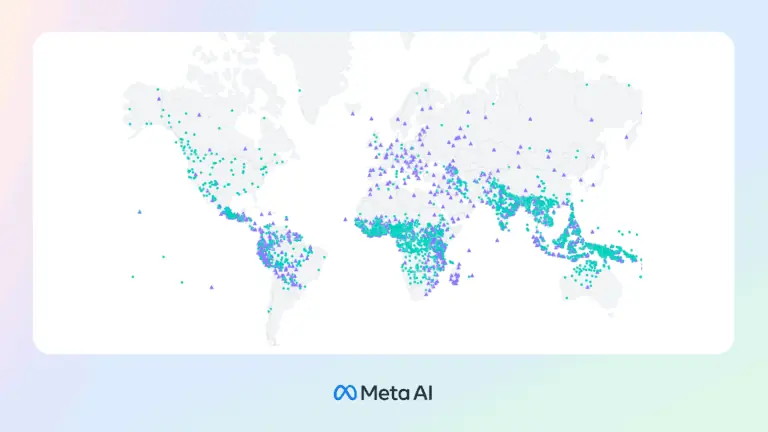
META’s new text-to-speech for 1,100+ languages
SOURCE: Meta
Product screenshot
Overview
What is META’s new text-to-speech for 1,100+ languages?
Massively Multilingual Speech: Expanding Speech Technology to Over 1,100 Languages
The Massively Multilingual Speech (MMS) project represents a significant leap forward in speech technology, expanding support from approximately 100 languages to over 1,100 languages. This initiative aims to make information accessible to a broader audience, including those who rely on voice for information access, by equipping machines with the ability to recognize and produce speech in multiple languages.
Key Features
- Supports speech-to-text and text-to-speech for 1,107 languages.
- Offers language identification for over 4,000 languages.
- Utilizes self-supervised learning and a new dataset for model training.
- Outperforms existing models in multilingual speech recognition.
Main Use Cases
- Enhancing accessibility for individuals who rely on voice to access information.
- Preserving endangered languages by making them usable in technology.
- Enabling more inclusive communication in various applications, from messaging services to VR/AR technology.
How to Use
- Access the models and code on GitHub for research and development purposes.
- Utilize the dataset for training new speech recognition and synthesis models.
- Implement the technology in applications to support multilingual speech functionalities.
User Experience
The MMS project has demonstrated promising results in evaluations against benchmark datasets, showing a significant improvement in language coverage and performance compared to existing models. The models have been designed to minimize gender bias and domain-specific biases, ensuring equitable performance across different user groups.
Potential Limitations
- The dataset primarily consists of religious texts, which may limit the diversity of content the models are exposed to.
- The models may still have limitations in handling dialects and specific accents.
- There is a risk of mistranscription, which could lead to offensive or inaccurate language output.
The MMS project underscores the commitment to advancing speech technology for a more inclusive and linguistically diverse world, inviting the research community to contribute to this ongoing effort.
Platforms and languages
META’s new text-to-speech for 1,100+ languages Availability
Platforms
Languages
Compare similar tools
META’s new text-to-speech for 1,100+ languages Alternatives
 EvaSpeaksEvaSpeaks is an AI-powered virtual receptionist that answers calls 24/7, handles customer inquiries, schedules appointments, captures leads, and routes calls to the right team. It helps businesses improve response times, reduce missed opportunities, automate routine communication, and provide reliable customer support even outside regular business hours.5.0(1 reviews)AI Business SolutionsAI Voice RecognitionAI WorkflowAI receptionist
 SceneCraft - AISceneCraft is an AI screenwriting studio. Generate full screenplays from an idea, get instant AI script coverage, and turn scenes into storyboards or full comic pages — all in industry-standard format, in 100+ languages. Built for screenwriters, showrunners, and indie filmmakers who want to move from idea to pre-production without switching tools.5.0(1 reviews)AI Image GenerationAI Text WritingAI StorytellingTurn any scene into a comic pagepanel by panel.
 ytzoloYTZolo is an AI-powered YouTube content generator that helps creators produce engaging scripts, SEO-friendly titles, descriptions, tags, and content ideas quickly to grow their channels more efficiently.AI Text WritingAI Marketing ToolsOther AI Toolsai ytzolo youtube script
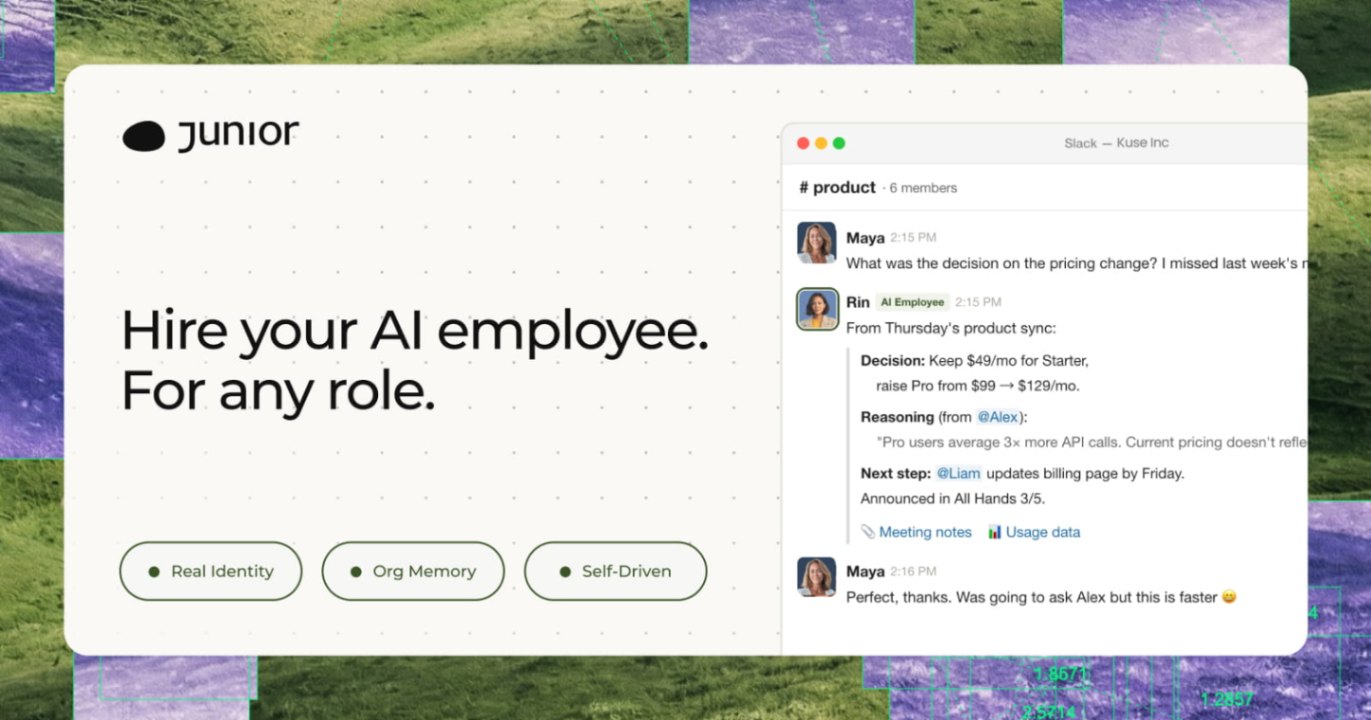 JuniorJunior is an AI employee that works inside your Slack, Teams, Lark, or Telegram. It connects to 3,000+ tools and handles sales ops, from outreach and CRM updates to follow-ups and pipeline reports. Built-in approval gates keep your team in control of every outbound action. Featured in Bloomberg, Business Insider, and LinkedIn News.AI Productivity ToolsAI Text WritingAI WorkflowAI
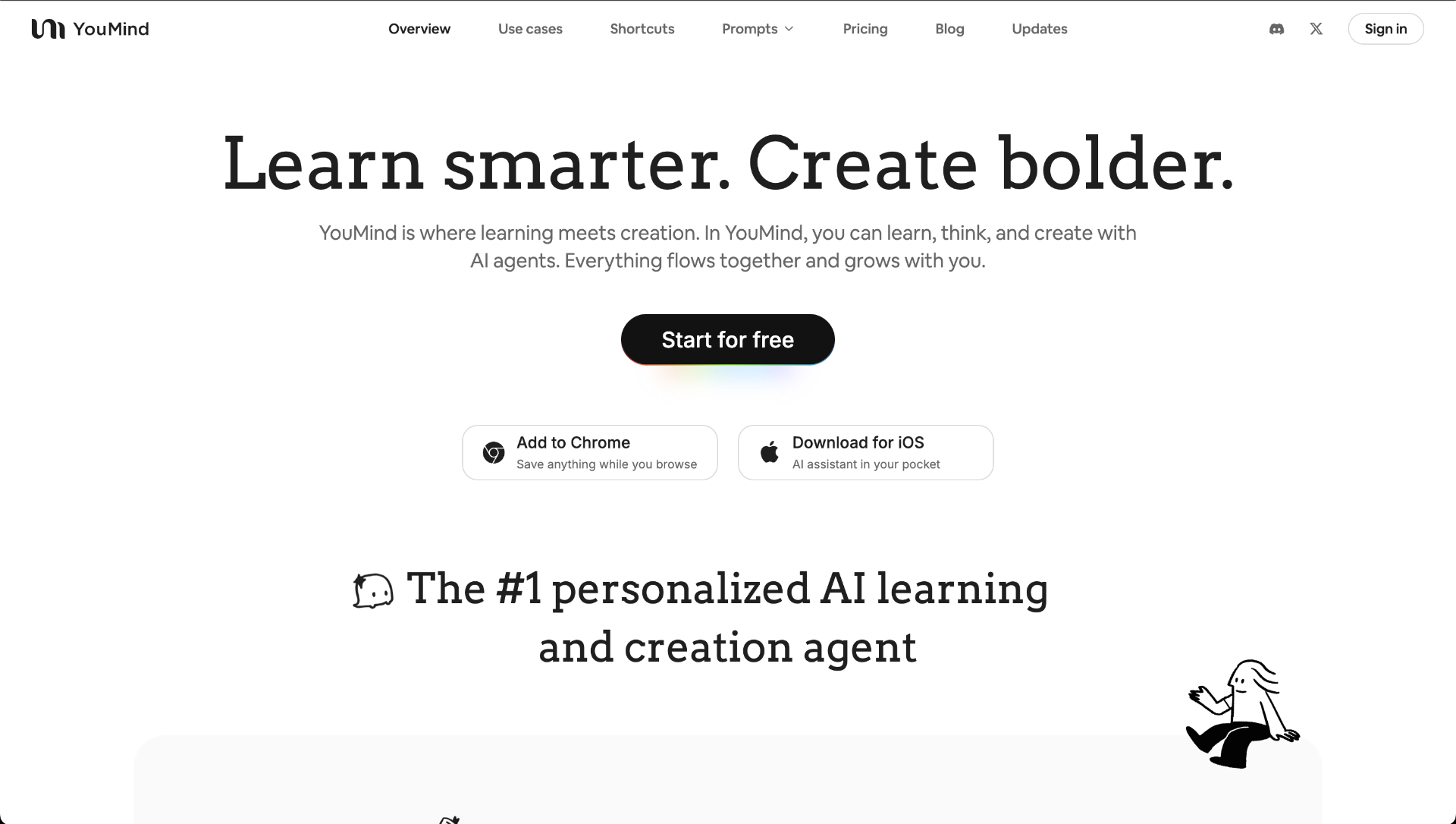 YouMindYouMind is an innovative creation agent that harnesses the power of generative AI to transform diverse materials into inspired creations.5.0(1 reviews)AI Image GenerationAI Text WritingAI Workflow
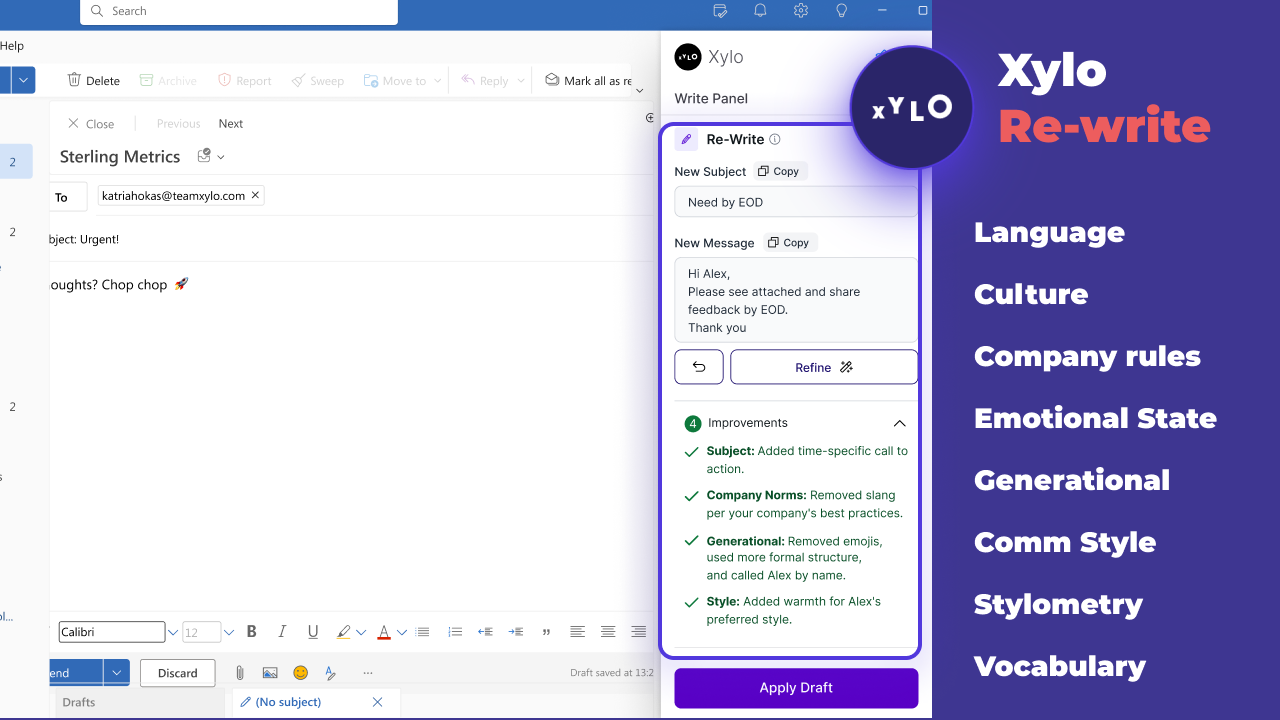 Xylo AISupporting productive working relationships and written communication with emotionally intelligent AI email assistant.AI Business SolutionsAI WorkflowAI Productivity Tools
 GeminiBard is now Gemini. Get help with writing, planning, learning, and more from Google AI.5.0(1 reviews)AI Personal AssistantsAI Text WritingGoogle AIcreative inspirationtask management
 VoiceDropAI-powered ringless voicemail and SMS outreach for personalized campaigns at scale.AI Marketing ToolsAI WorkflowAI Voice RecognitionAI VoiceVoice CloningRingless Voicemail
 Rext AIRext AI is an intelligent AI content platform that helps businesses, agencies, and creators research topics, write optimized blog articles, and improve their content workflow with powerful AI tools.4.0(1 reviews)AI Productivity ToolsAI Text WritingAI Content Creationai blog writerai toolSEO
 ManualFigManualFig is an AI-powered tool that transforms product photos into clear line drawings and assembly instructions, streamlining the creation of manuals and instructional content.4.5(2 reviews)AI Text WritingAI Design Art
Reviews
See what the community thinks and share your experience.
—
Based on 0 ratings
Rating distribution
Community reviews
No reviews
No written reviews yet.