Engineering and token intelligence to optimize the SDLC. Weave shows you the ROI of every AI dollar, benchmarked against thousands of orgs.
Product screenshot
Overview
What is Weave?
Weave is an engineering and AI intelligence platform designed to help software organizations measure, understand, and optimize how their engineering teams use AI throughout the software development lifecycle.
The platform connects engineering activity and AI usage data to show companies how much value they are getting from their AI investments. Rather than measuring AI adoption only by the number of prompts or tokens consumed, Weave evaluates cost, efficiency, code quality, engineering output, and other development metrics.
Weave analyzes engineering activity from prompt to production. It combines AI-specific metrics with established engineering frameworks such as DORA, SPACE, surveys, pull requests, commits, code reviews, deployments, and AI telemetry to provide a centralized view of engineering performance.
One of its main capabilities is engineering intelligence. Teams can analyze how engineers use AI, how AI affects their development output, and where bottlenecks exist in the software development lifecycle.
For example, an engineering manager could use Weave to determine which developers are getting the most value from AI coding tools, whether AI-assisted development is improving team output, and whether code quality is being maintained as AI usage increases.
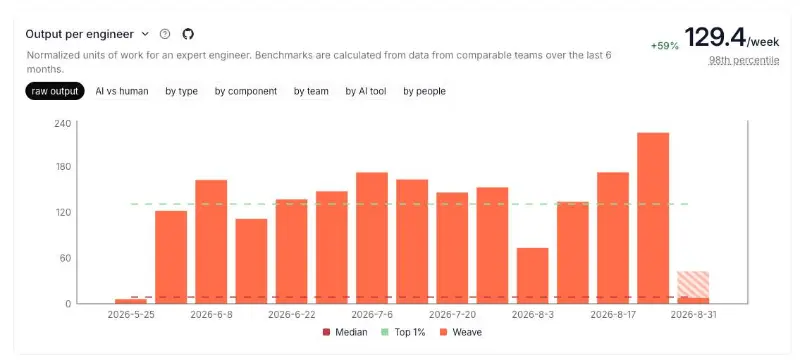
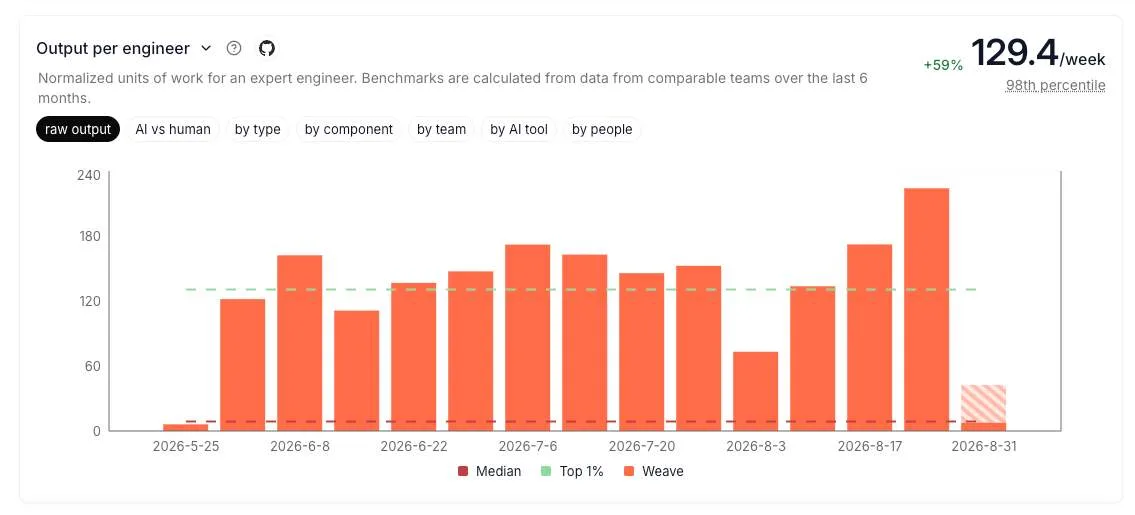
The platform provides individual and team-level AI impact metrics. It can show measurements such as AI-assisted merges, changes in engineering output compared with a baseline, AI usage, code quality, and overall AI scores.
Weave also provides token intelligence. It analyzes AI prompts and token consumption to help organizations understand where their AI spending is going and whether that spending is producing useful engineering outcomes.
Instead of simply reporting that an organization spent a certain amount on AI models, Weave helps compare token consumption, model usage, cost, efficiency, and engineering results. The platform benchmarks this information against data from thousands of engineering organizations.
Another major component is the Weave Prompt Router. The router evaluates incoming AI prompts, classifies the requests, and routes them to an appropriate AI model based on factors such as quality, cost, and speed.
This allows engineering organizations to avoid automatically sending every request to an expensive frontier model. A simpler coding task can potentially be routed to a less expensive model, while more complex tasks can be sent to a more capable model.
The router is designed to learn from feedback at both the individual and organizational level. Developers can continue using their existing AI clients while the router operates as a proxy between those clients and AI model providers.
Weave provides a command-line installation process and supports AI providers including Anthropic, OpenAI, and Google. The company also makes its router available through an open-source GitHub repository.
The platform includes an AI agent called Wooly. Wooly analyzes the organization's engineering and AI data and provides recommendations about where teams could improve.
Users can ask Wooly questions such as which engineers are using AI most effectively, what strengths and weaknesses exist across teams, or where deployment cycles are getting stuck. Its answers are grounded in the organization's own records and include references to the underlying data.
Weave also includes code intelligence features focused on understanding AI-generated and AI-assisted software development. These capabilities cover areas such as code output, code quality, code reviews, AI health, and related engineering measurements.
The platform can also provide AI transformation and AI ROI insights. Organizations can use these measurements to understand whether investments in tools such as AI coding assistants are actually improving engineering productivity rather than simply increasing AI usage.
Weave is designed for engineering organizations ranging from startups to large enterprises. The company states that it is used by more than 500 engineering organizations and has analyzed more than 2 million pull requests, with data covering more than 25,000 engineers and 50+ AI tools.
Platforms and languages
Weave Availability
Platforms
Languages
Plans and access
Weave Pricing
Paid
Compare similar tools
Weave Alternatives
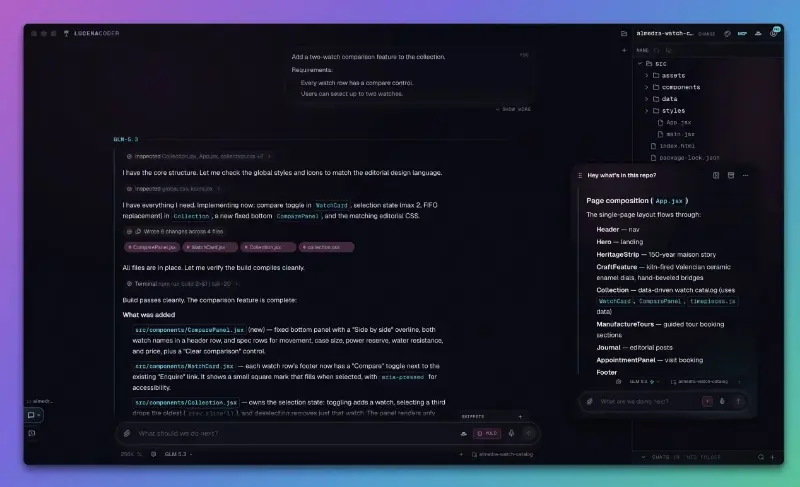 LucenaCoderFree, local, token-efficiency obsessed coding harness. Your keys, chats, and code stay on your machine.AI Development InfrastructureAI Development PlatformsAI Coding Assistantscoding-harnessai-idecoding
 GPTImage25AI image generation, photo editing, reference-image workflows, and developer API tools in one browser-based platform.AI Creation GenerationAI Development InfrastructureAI Design Artgpt image 2.5AI image generatorAI image editor
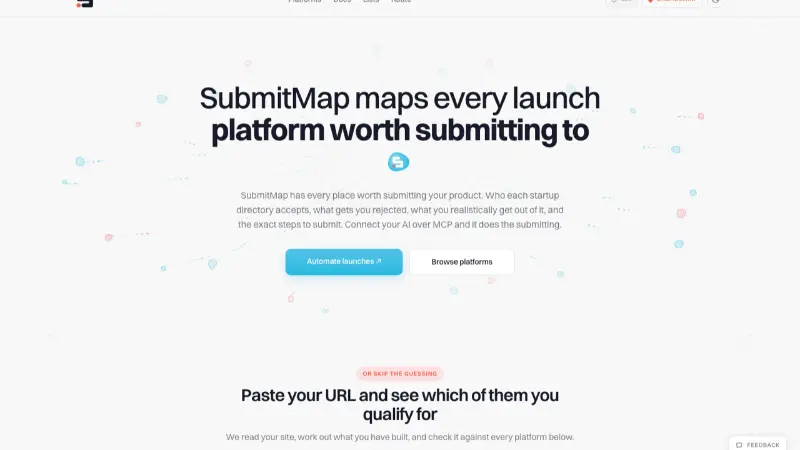 SubmitMapFind every launch directory your product actually qualifies for, and let an agent do the submitting.AI Business ProductivityAI Development InfrastructureAI Search Discoverydirectorylaunchbacklinks
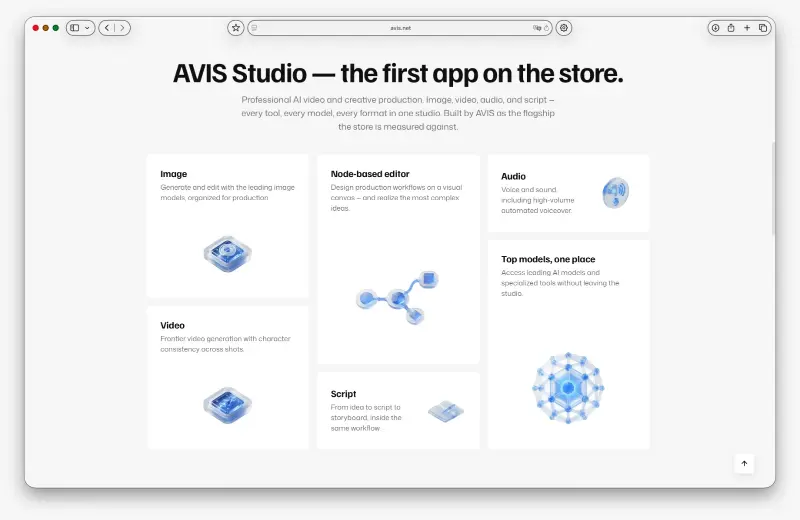 AvisAVIS is a unified AI gateway and app marketplace: one API key for 400+ text, image, video and audio models, plus a storefront where what you build gets discovered.AI Development Infrastructure
 Norse ComputerRun Hermes Agent in your own cloudAI Development Infrastructure
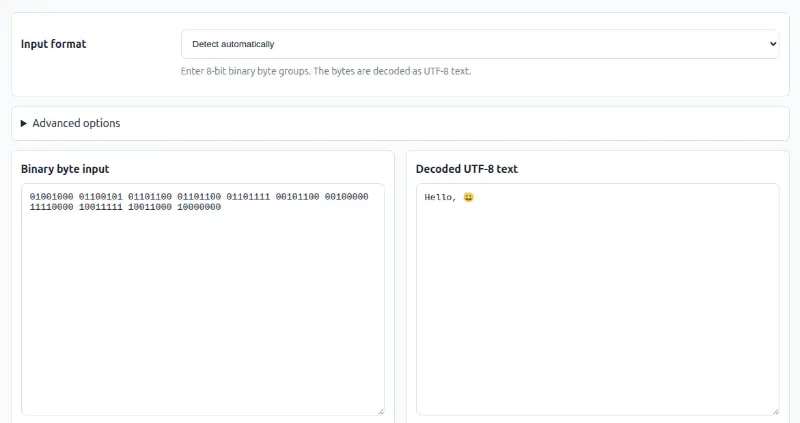 Binary to Text ConverterA free, privacy-friendly binary-to-text converter that decodes 8-bit binary bytes into ASCII and complete UTF-8 text.AI Development Infrastructurebinaryconvertertext
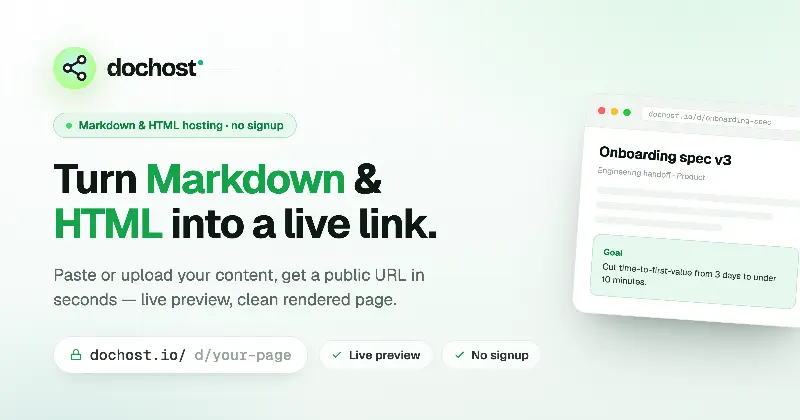 dochostTurn HTML or Markdown into a hosted, shareable link in seconds - no signup, no build step.AI Development InfrastructureAI Business Productivitymarkdownhtmlhosting
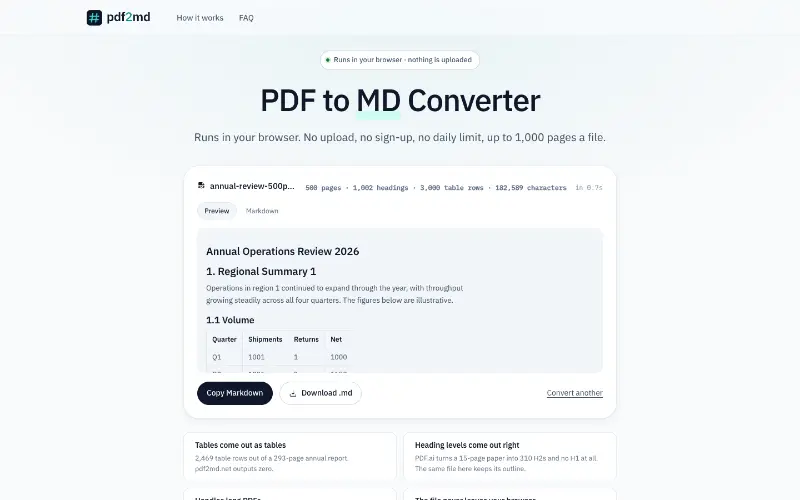 pdf2mdConvert PDF files to clean Markdown right in your browser. Nothing is uploaded, no signup, and tables and heading levels are preserved.AI Document ProcessingAI DocumentationAI Development Infrastructurepdfmarkdownconverter
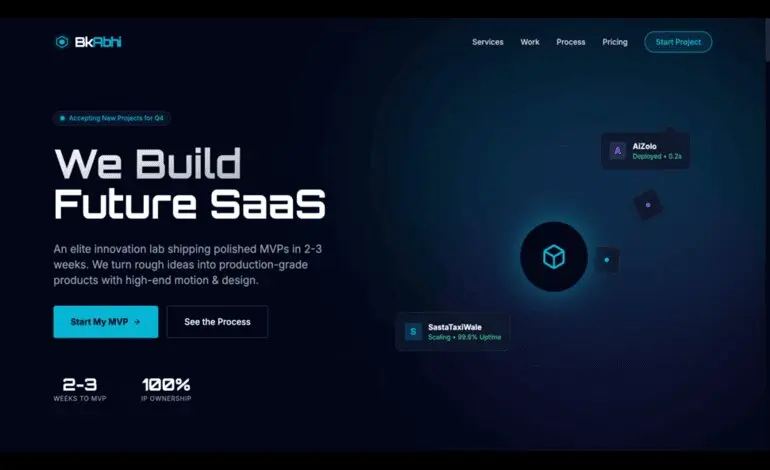 BkAbhi innovations LabBkAbhi Innovations Lab is a forward-thinking innovation and technology hub dedicated to creating smart, scalable, and future-ready digital solutions.AI Development InfrastructureAI Game DevelopmentAI Product DesignMVP developmentstartupentrepreneur
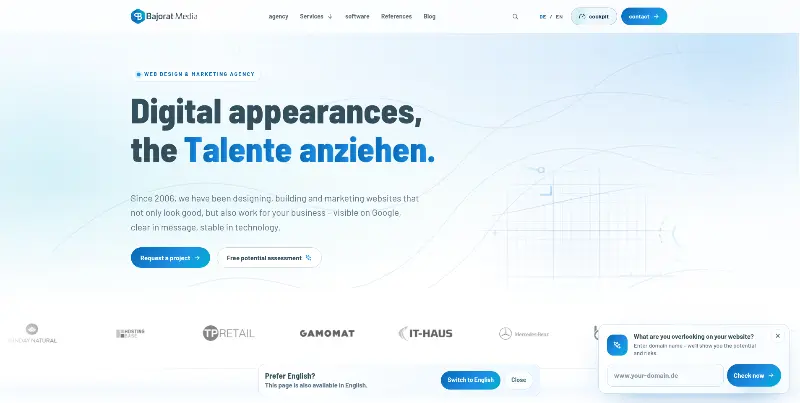 Bajorat MediaBoutique Web Development & Marketing Agency Since 2006AI Seo ToolsAI Development InfrastructureDigital AgencyWeb DevelopmentSEO
Reviews
See what the community thinks and share your experience.
—
Based on 0 ratings
Rating distribution
Community reviews
No reviews
No written reviews yet.