
Anthropic IPO Explained: Claude's Maker Lists at $83 as ANT in the Largest IPO on Record
Anthropic, the company behind the Claude family of AI models, priced its initial public offering at $83 a share on Wednesday, November 18, 2026 — above the $70 to $78 range it had marketed — and begins trading on the Nasdaq Global Select Market today, Thursday, November 19, under the ticker ANT. The offering covers 980 million Class A shares and raises $81.3 billion, the largest IPO on record by base size, ahead of SpaceX's $75 billion debut earlier in 2026.
The listing makes Anthropic the first frontier AI lab to trade on a public exchange, and it arrives at a strange moment for the market it is joining: the Nasdaq Composite has fallen more than 10% from its record high, and Nvidia is down 30% over the past month. Investors priced the deal above its range anyway. This article explains what the deal is, what kind of business is behind it, who keeps control, and what changes for the people who use Claude every day.
The deal in numbers
Anthropic itself is selling 956.35 million new shares, bringing in about $79.4 billion before fees. The seven co-founders are selling a further 23.65 million shares, worth about $2.0 billion, and that money goes to them, not to the company. Together, the 980 million shares come to $81.34 billion at $83 a share.
| Term | Detail |
|---|---|
| Offer price | $83 per share, about 6% above the $70–$78 range |
| Shares offered | 980 million Class A shares (up from 825 million marketed) |
| Gross proceeds | About $81.3 billion |
| Money to Anthropic | About $79.4 billion from its own shares |
| Underwriters' option | Up to 147 million more shares within 30 days, worth about $12.2 billion |
| Exchange and ticker | Nasdaq Global Select Market, ANT |
| First trading day | Thursday, November 19, 2026 |
| Expected closing | Friday, November 20, 2026 |
Goldman Sachs and Morgan Stanley lead the underwriting syndicate of 22 banks.
A second transaction runs alongside the IPO. Seven technology companies — Google, Nvidia, AMD, Broadcom, Micron, Microsoft and TSMC — have agreed to buy $26 billion of non-voting Class N shares in a concurrent private placement, at the same $83 price. Google and Nvidia are putting in $10 billion each. With the money from its own public shares, Anthropic stands to receive roughly $105.4 billion in gross proceeds, before fees.
The $83 price also sets a valuation benchmark. Reports put Anthropic at roughly $1.5 trillion on a fully diluted basis, which counts stock options and similar awards that could become shares. Anthropic itself has not stated a valuation, so the figure should be read as reported, not official. On shares outstanding alone, the value is closer to $1.1 trillion — still well above the $965 billion valuation from its last private round in May 2026.
Demand during the roadshow was strong, at least on the reported numbers: Bloomberg reported orders running to about seven times the shares on offer, and Anthropic set aside up to 20% of the offering for retail investors. Those are reported order figures, not confirmed allocations.
A business growing faster than its bills
The filing explains why investors paid above the range. Revenue for the first nine months of 2026 reached $33.24 billion, against $2.55 billion in the same period of 2025 — an increase of more than 1,200%. The third quarter alone brought in $16.96 billion. Annualised run-rate revenue stood at about $81 billion at the end of October 2026, up $10 billion in a single month.
Growth is concentrated in large customers. More than 11,900 customers now generate at least $100,000 a year each, up from about 1,500 at the end of 2025, and that group accounts for roughly 74% of the nine months' revenue.
Profitability is the complicated half of the story. The operating loss for the first nine months was $1.26 billion, a sharp improvement from the $5.22 billion operating loss in the same period of 2025. The reported net loss, however, was about $104 billion — but roughly $94.3 billion of it is a non-cash accounting charge from marking convertible notes and derivative liabilities to fair value as Anthropic's valuation rose. It is not $104 billion of cash walking out the door.
The real cost question is compute. Anthropic disclosed about $900.9 billion in aggregate compute-related purchase commitments, with roughly $451.6 billion due before the end of 2030. Compute and infrastructure expenses reached $18.81 billion in the first nine months of 2026 — about 57% of revenue, down from 172% a year earlier. Even so, the commitments are the largest single risk in the filing: Anthropic is promising to buy enormous amounts of computing capacity years in advance, betting that demand keeps growing into it. Cash on hand was about $132 billion at September 30, 2026, and the IPO proceeds add roughly another $105 billion.
Who actually controls Anthropic now
This is the part of the listing that makes it an AI story rather than just a finance story. Buying ANT shares buys a share of the profits. It buys almost no say in how the company is run.
Anthropic has five classes of stock, and only two of them — Class A, sold in the IPO, and Class N, sold in the private placement — carry any economic rights. Control sits in two single shares that public buyers never get. The Long-Term Benefit Trust, a five-seat group of independent trustees who hold no Anthropic equity, holds one Class T share, which elects four of Anthropic's seven directors and can remove them without cause. The seven co-founders, acting through a Founder LLC, hold one Class F share, which casts a fixed 50.1% of the vote on every general shareholder matter. Four of the seven founders, voting together inside the LLC, can therefore decide any matter that would normally need a shareholder vote.
The structure is deliberate. Anthropic is a Delaware public benefit corporation, and its charter states its purpose as "the responsible development and maintenance of advanced AI for the long-term benefit of humanity." Its directors must balance shareholders' financial interests against that purpose. The founders' argument, as set out in the filing, is that the company needs a structure no takeover bid and no majority of public shareholders can override to push commercial success ahead of the mission. Anthropic has already shown what that means in practice: it has delayed a frontier model over cybersecurity risks and kept Claude free of advertising, forgoing revenue in both cases.
Two further features matter for public shareholders. Anthropic qualifies as a Nasdaq "controlled company" because the trust elects a board majority, which exempts it from some Nasdaq governance rules. And it contributed nearly 850 million Class N shares — about 5% of its fully diluted shares — to the Anthropic Public Benefit Fund.
What changes for Claude users and developers
For the people who actually use Anthropic's products, the honest answer is: very little, at least for now. The IPO itself changes nothing about how Claude works. There is no announced change to Claude's pricing, API terms, or availability. What the listing changes is the funding behind those products — and the scrutiny on them.
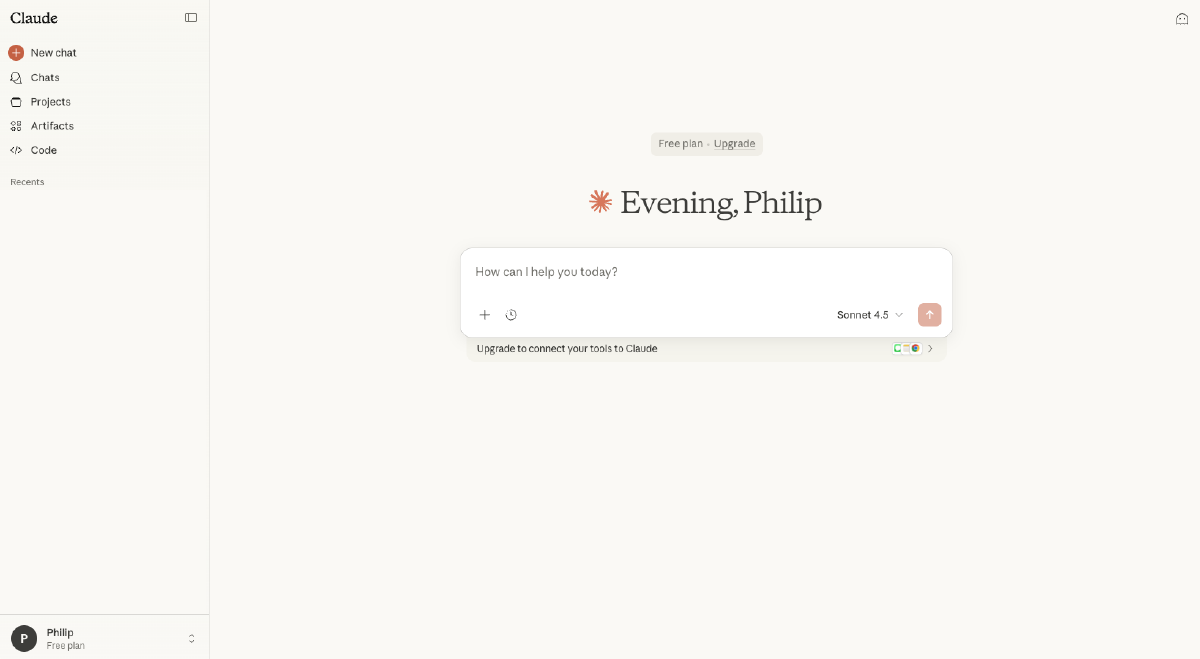
Claude is the product most readers will know: the chat assistant built on the Claude models, used for writing, analysis, coding help, and research. Its revenue growth is the engine behind the filing's numbers, and the IPO proceeds are, in large part, a bet on keeping that engine fed with computing capacity. If you use Claude, the listing matters mainly as a signal about the company's staying power — and as a reminder that its quarterly results will now be public, and its spending questioned in the open every three months.
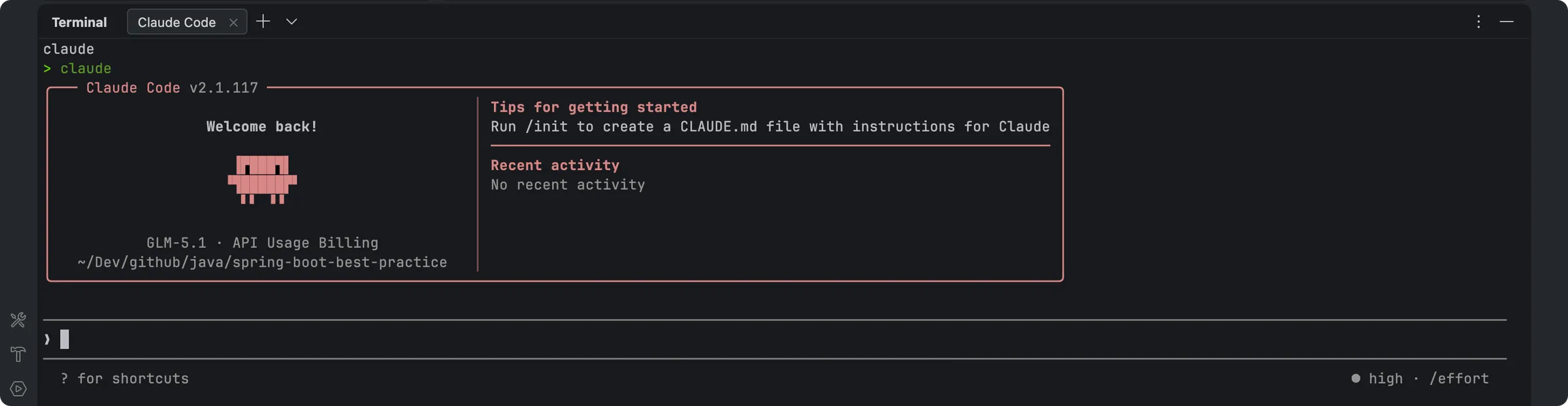
For developers, the more relevant product is Claude Code, Anthropic's agentic coding tool, which runs in the terminal and has become one of the fastest-growing developer tools of the past year. Developer adoption is a large part of the customer growth in the filing — the count of customers spending at least $100,000 a year rose eightfold in nine months — and the compute commitments are, in effect, a promise to keep serving that demand.
What to watch on day one
Three things will tell you more than the opening price. First, the first trade itself: SpaceX priced at $135 and opened at $150, and a similar pop for ANT would put the stock above $100 quickly. A flat or falling open, after a roadshow reportedly seven times oversubscribed, would say more about the market's mood than about Anthropic.
Second, the index question. Nasdaq changed its rules in May 2026 so that a newly listed company big enough to rank among the 40 largest Nasdaq-100 members can be added after 15 trading days, rather than waiting three months. Anthropic qualifies on size, and reports put its Nasdaq-100 entry at the December 21 open, folded into the index's December reconstitution. Index funds tracking the Nasdaq-100 would then have to buy ANT whether or not they like the price. The S&P 500 is a different story: it still requires 12 months of trading and four profitable quarters, and Anthropic's GAAP losses keep it out until late 2027 at the earliest.
Third, the closing itself. The offering is expected to close on Friday, November 20, and the $26 billion private placement closes just after it. The final prospectus was still to be filed with the SEC at the time of writing.
Anthropic's listing is the biggest test yet of whether the public markets will fund the AI buildout on the industry's own terms — enormous spending, controlled governance, and a mission written into the charter. The $83 price says investors are willing to try.
This article is for information only and is not financial advice. It does not recommend buying or selling any security.
Sources
- CNN — cnn․com
- The Desk — thedeskresearch․com
- FinanceFeeds — financefeeds․com
- Morningstar — morningstar․com
- TechTimes — techtimes․com
- Motley Fool — fool․com