
Claude Fable 5.2 Explained: One Model, Two Doors, and 5 Ways to Use It
Anthropic released Claude Fable 5.2 on November 9, 2026, alongside Claude Mythos 5.2. The two names describe the same underlying model: Fable is the public version, open to everyone, while Mythos drops those safeguards for vetted organizations only. It is Anthropic's most capable model yet, and it is cheaper at the same time — $8 per million input tokens and $40 per million output tokens, down 20% from Fable 5.1.
Independent testing backs up the headline: Fable 5.2 leads the Artificial Analysis Intelligence Index. But the same tests add a warning the launch post skips — at maximum effort, Fable 5.2 is also the most expensive model per task. This article explains what shipped, what the numbers say, and five tools that already run it.
One model, two doors
The Fable–Mythos split is about access, not capability. Anthropic says the two are the same underlying model. Fable carries strong safeguards that block most cybersecurity tasks — penetration testing, exploit generation, binary vulnerability analysis — and most research biology. Blocked requests fall back to Opus 4.8 (cybersecurity) or Opus 5 (biology).
Mythos removes those blocks for organizations accepted into Anthropic's Cyber Verification Program or Life Sciences Verification Program; Claude Enterprise customers can also reach it through Claude Security.
The safeguards are also less trigger-happy: Anthropic reports about 55% fewer unnecessary blocks than with Fable 5.1 in early testing — about 60% fewer in cybersecurity and 40% fewer in biology.
The specifications: a 1-million-token context window, up to 128,000 output tokens, and a knowledge cutoff of June 2026. The API id is claude-fable-5-2, available on the Claude Platform, Claude apps, Claude Code, AWS, Google Cloud, and Microsoft Azure. Anthropic also says outputs are up to 30% faster than Fable 5.1's — its own figure.
What Anthropic's own benchmarks say — and where Fable loses
Every score below is Anthropic's own measurement, taken at each model's highest available effort unless noted. Read as a vendor report, the story is clear: a large step up from Fable 5.1, a smaller one from Opus 5.5.
| Benchmark | Fable 5.2 | Fable 5.1 | Opus 5.5 |
|---|---|---|---|
| FrontierCode 2.0 (agentic coding) | 49.1% | 32.4% | 45.5% |
| FrontierSWE v2 (agentic coding) | 69.9% | 56.3% | 62.3% |
| Terminal-Bench-Science 0.1 (agentic science) | 74.6% | 52.6% | 58.7% |
| AutomationBench (business workflows) | 51.4% | 31.4% | 42.5% |
The FrontierCode jump — 49.1% against 32.4% for Fable 5.1 — is the headline, and it is large. But the table also shows where Fable 5.2 does not lead: Google's Gemini 4 Carbon scores 53.9% on AutomationBench against Fable's 51.4%, and Opus 5.5 still leads on the AA-Briefcase Elo rating, 1800 to 1785. Anthropic published those losses in its own table — a reminder that "strongest overall" is not the same as "best at everything."
The launch post also describes two long-running experiments, both Anthropic's own accounts: about 1,000 Fable 5.2 agents formalized the proof of Fermat's Last Theorem in Lean in about 30 hours, where the first attempt took 11 days; and more than 1,000 subagents spent eight days building a prototype operating system that boots on a laptop. Treat these as demonstrations, not production success rates.
The independent verdict: first place, at a price
Independent benchmarks agree Fable 5.2 is currently the strongest model available — and they all flag the same trade-off.
Artificial Analysis puts Fable 5.2 first on its Intelligence Index v5, scoring 65 at maximum effort, ahead of Gemini 4 Carbon at 60, Claude Opus 5.5 at 59, and OpenAI's GPT-6 Astra at 57. At high and extra-high effort, Fable 5.2 scores 62 — still ahead of every other model tested. The cost, though, is steep: at maximum effort, running the index costs an average of $26.54 per task, about 2.6 times as much as Opus 5.5.
Vals AI also ranks Fable 5.2 first on its index, at 71.31%, ahead of Claude Sonnet 5.5 and Gemini 4 Carbon. But Vals found that high effort, not maximum effort, worked best: turning effort up to max dropped Fable 5.2 to seventh place at nearly three times the cost.
Fable 5.2 is not first everywhere. On Terminal-Bench 4.0, a test of terminal coding, it scored 60%, level with Opus 5.5 and behind three rivals. The pattern is consistent: Fable 5.2 wins on long, hard, multi-step work and loses its edge on short, well-defined tasks.
The 20% price cut — and the bill that still grows
The price cut is real: $8 per million input tokens and $40 per million output tokens, against $10 and $50 for Fable 5.1. There is also an optional fast mode at $16 and $80 per million tokens, which Anthropic says is up to 2.5 times faster. It is available on Claude Code, the Claude Platform, Google Cloud, and Microsoft Foundry; Mythos fast mode is limited to verification-program members.
But a lower price per token does not guarantee a lower bill. Fable 5.2 works by making many tool calls — on Artificial Analysis's VIALS-AA benchmark for reading lab images, it averaged about 37 tool calls per task, against about eight for GPT-6 Astra. Long runs burn tokens fast, and the bill grows with every turn.
One comparison makes the point concrete. On a building-drawing audit in Artificial Analysis's MKA benchmark, Fable 5.2 took 224 turns, about three hours, and roughly $68; Gemini 4 Carbon finished in 76 turns, about an hour, and roughly $8. Fable 5.2's deck scored 87% against Carbon's 72% — better output, at roughly eight times the cost.
Subscription users get a softer landing: Fable models are included for Pro plans and standard Team seats until November 16, 2026, for up to 50% of weekly usage limits, with one to three extra usage resets this week. After November 16, Pro users move to paid usage credits. Note also that Fable 5.2 requires a 30-day data retention period by default; zero data retention needs Enterprise Frontier Safeguards, currently in private beta.
Five tools that already run Fable 5.2
Fable 5.2 shipped on every major platform on launch day. Here are five ways to use it.
1. Claude — the chat app
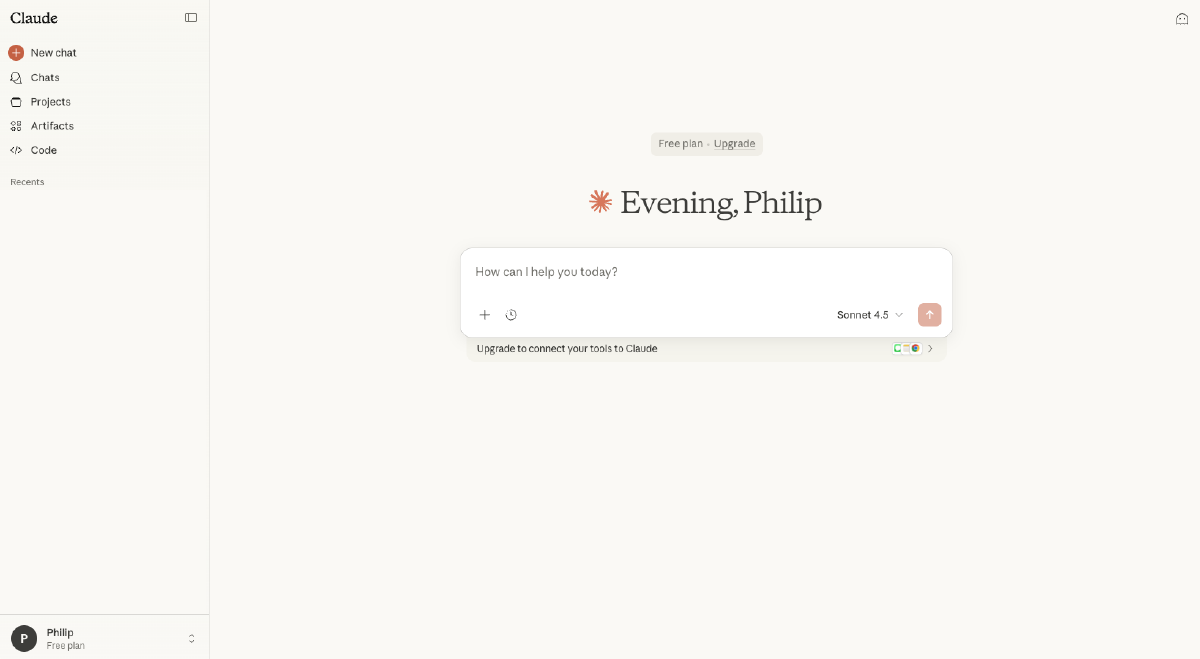
Claude is the simplest way in: pick Fable 5.2 in the model picker and use it for long research, analysis, and writing tasks that need sustained reasoning. Pro subscribers can try it free until November 16, 2026.
2. Claude Code — the terminal agent
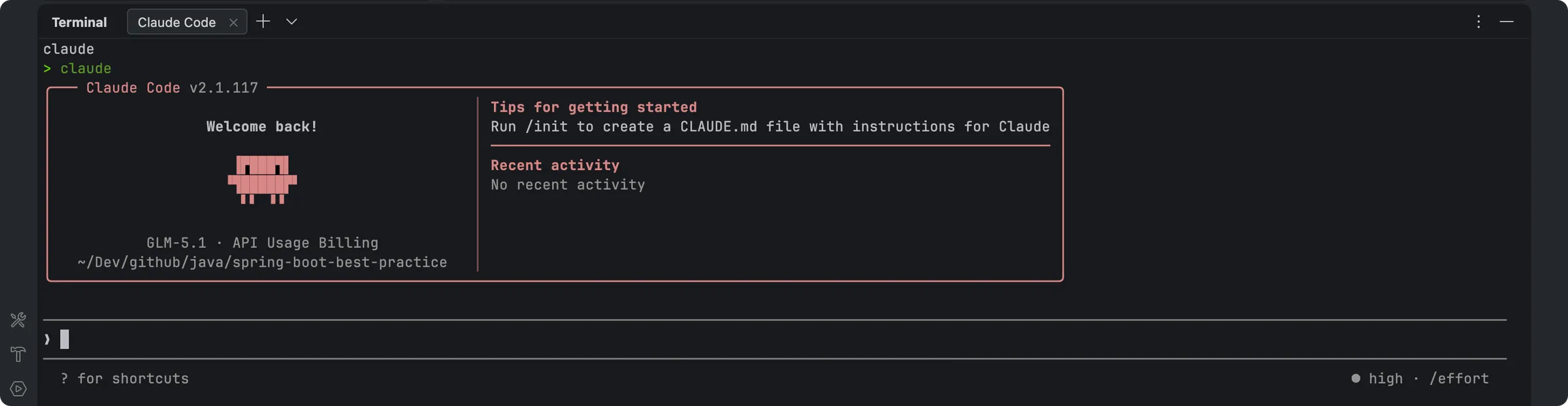
Claude Code is where Fable 5.2 does its most characteristic work: long, multi-step coding sessions in your own repository. Version 2.1.321 makes Fable 5.2 the default Fable model, with the full 1-million-token context. Anthropic also positions it as an Advisor or Orchestrator for the smaller models.
3. OpenRouter — one key, four providers
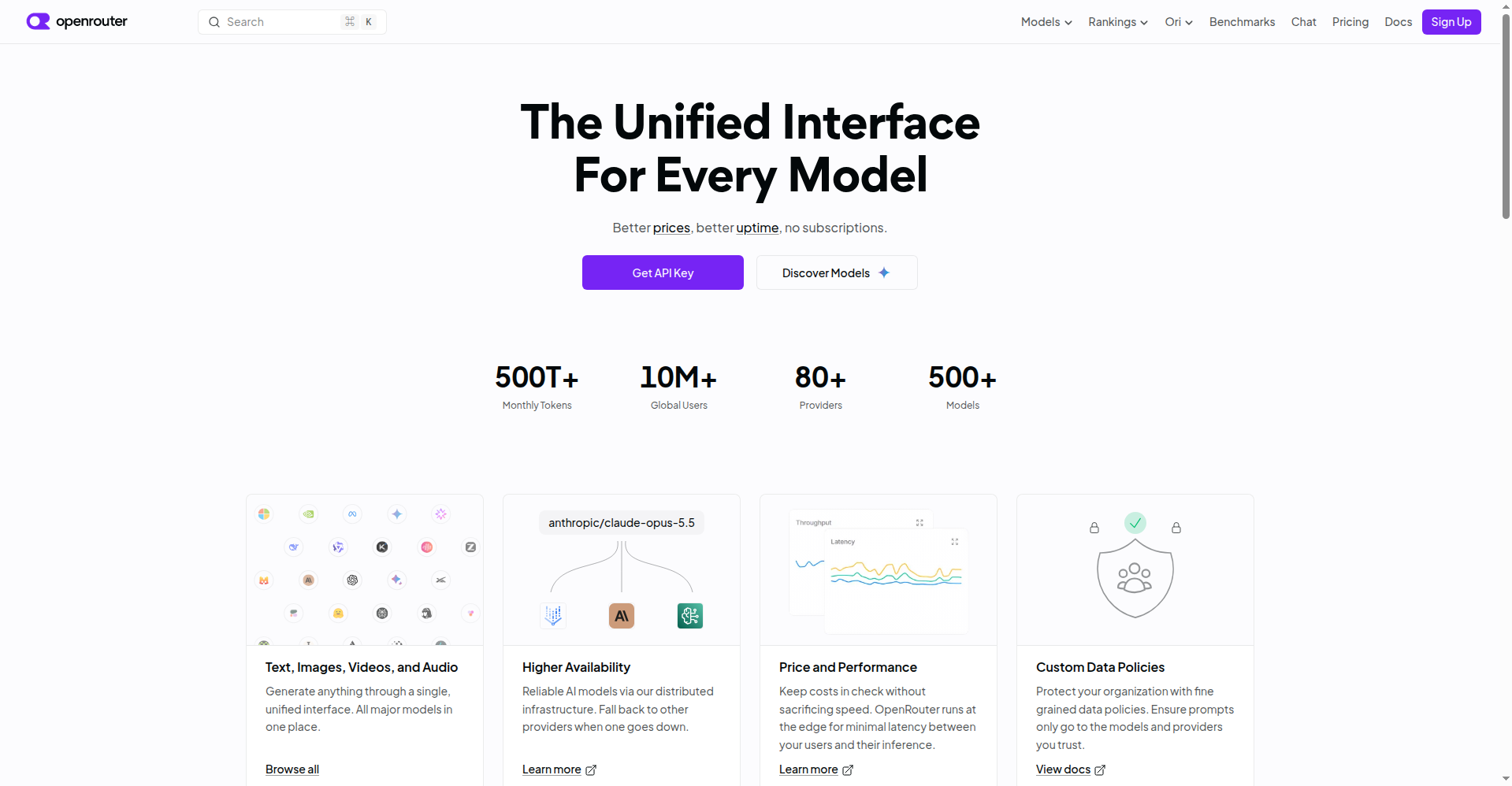
OpenRouter lists Fable 5.2 as anthropic/claude-fable-5.2 at the standard $8/$40 rates, served by four providers — Anthropic, Amazon Bedrock, Google Vertex, and Azure — with automatic failover between them. That matters when a safety classifier declines a request: a failover keeps the session alive. OpenRouter also offers a batch variant at $4/$20 per million tokens, and a fast tier.
4. Vercel AI Gateway — the fallback built in
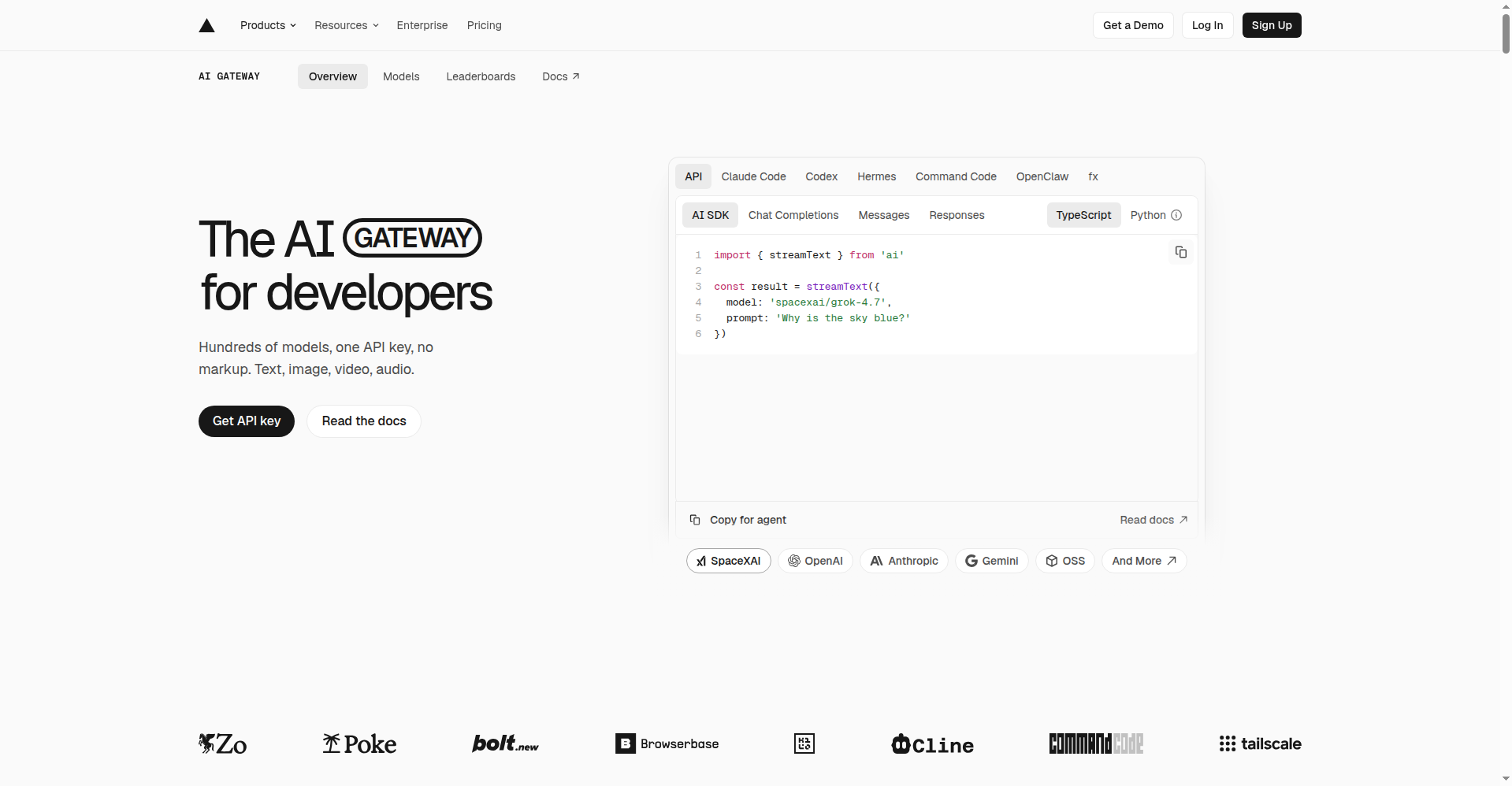
Vercel AI Gateway added Fable 5.2 on launch day, November 9, under the model id anthropic/claude-fable-5.2, callable through the AI SDK and the standard chat APIs. Its most useful feature here is the fallback chain: if Fable 5.2's cybersecurity classifier declines a request, the gateway reroutes it to Opus 5.5, then Sonnet 5.5, instead of failing. Note that Fable 5.2 requires 30-day data retention — a zero-data-retention configuration returns an error.
5. Devin — the autonomous coder
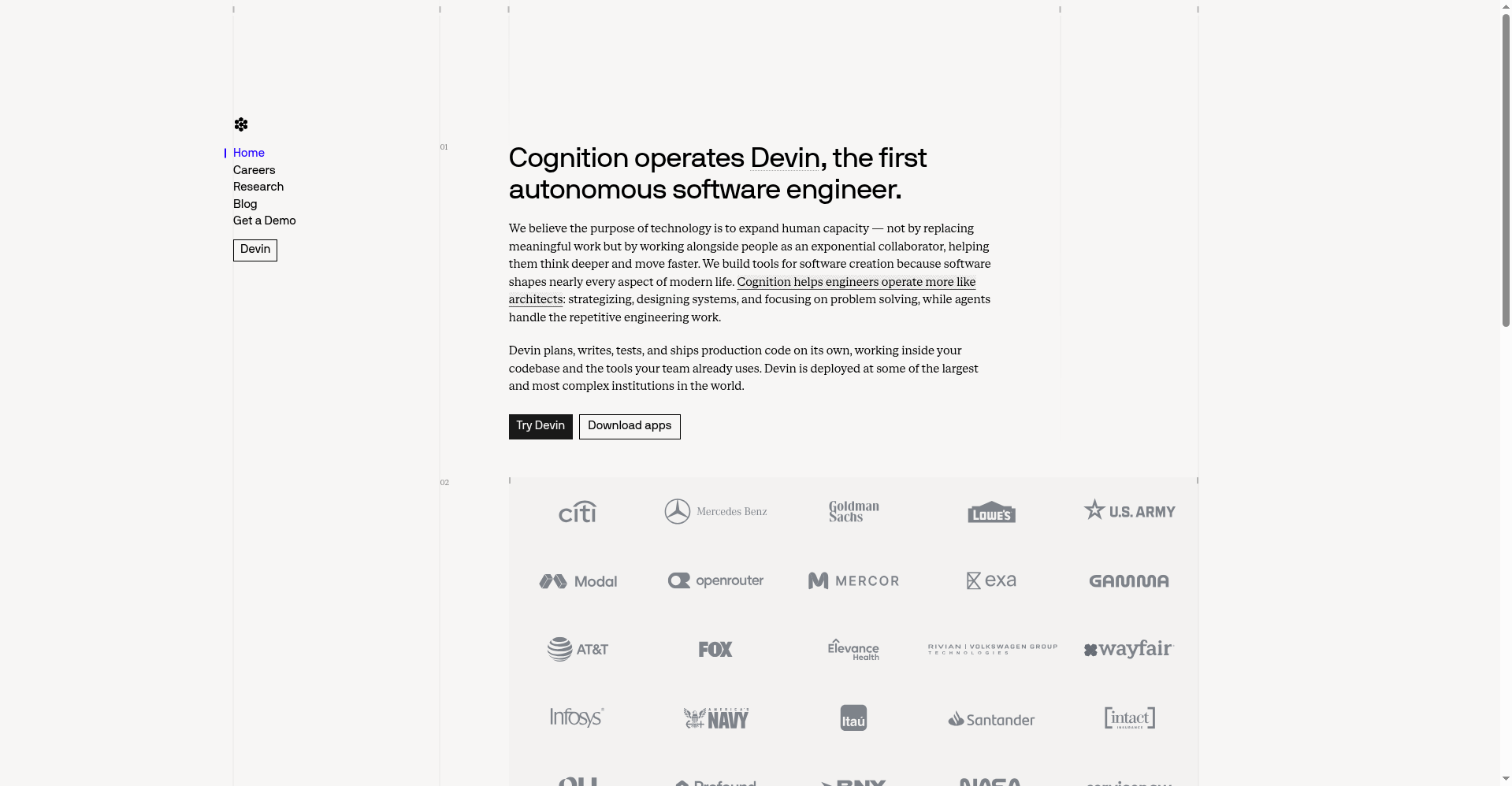
Devin, Cognition's autonomous software engineer, shipped Fable 5.2 in Devin Desktop and Devin CLI on launch day. Devin plans, writes, tests, and ships production code on its own inside your codebase — exactly the long-horizon agent work where Fable 5.2's gains show up.
No, there is no Claude Fable 5.5
If you searched for Fable 5.2 this week, you may have seen pages about "Claude Fable 5.5." There is no such model. Anthropic released Fable 5.2, not 5.5, and has announced nothing about a 5.5 — no model ID, no price, no benchmarks, no date.
The confusion started with a leaked catalog entry. On October 13, 2026, an automated LiteLLM pricing sync added azure_ai/claude-fable-5-5 to its registry, based on a Microsoft Azure model listing. The next day, LiteLLM removed it: an audit of four Azure regions found no such model, and a test request returned 404 DeploymentNotFound. The entry's prices and limits had simply been copied from Fable 5.1. Any page selling Fable 5.5 specifications is quoting a deleted catalog string, not a product.
When Fable 5.2 is worth it — and when Opus 5.5 still wins
Anthropic's own advice is the right starting point: for most coding and knowledge work, start with Claude Opus 5.5, the strongest daily driver, and switch to Fable 5.2 for the most ambitious, open-ended technical work. Fable 5.2 earns its price on long, hard, multi-step work — a major refactor, a migration, a research synthesis. On short, well-defined tasks it is often no better than Opus 5.5 and several times more expensive.
A few practical rules follow from the numbers. Set a spending limit before a long agent run. Try high effort before maximum effort: on the Vals index, high effort scored best, and maximum effort cost about three times as much for a worse result. Use prompt caching (cached reads cost $0.20 per million tokens against $8 for fresh input) and the batch API at $4/$20 for work that does not need an immediate answer.
Fable 5.2 is a genuine step forward. It is also a model that rewards careful use. The 20% price cut is real, but so is the bill for a 224-turn run. Use it where the work is hard enough to justify both.
Sources
- Anthropic — anthropic․com
- Sulat AI & Tech News — news․sulat․com
- Artificial Analysis — artificialanalysis․ai
- OfficeChai — officechai․com
- ArgoLink — argolink․io
- Vercel — vercel․com