
Mistral Large 4 'Le Chonk' Explained: Europe's 1T-Parameter Open-Weight Bet — and 5 Ways to Use It
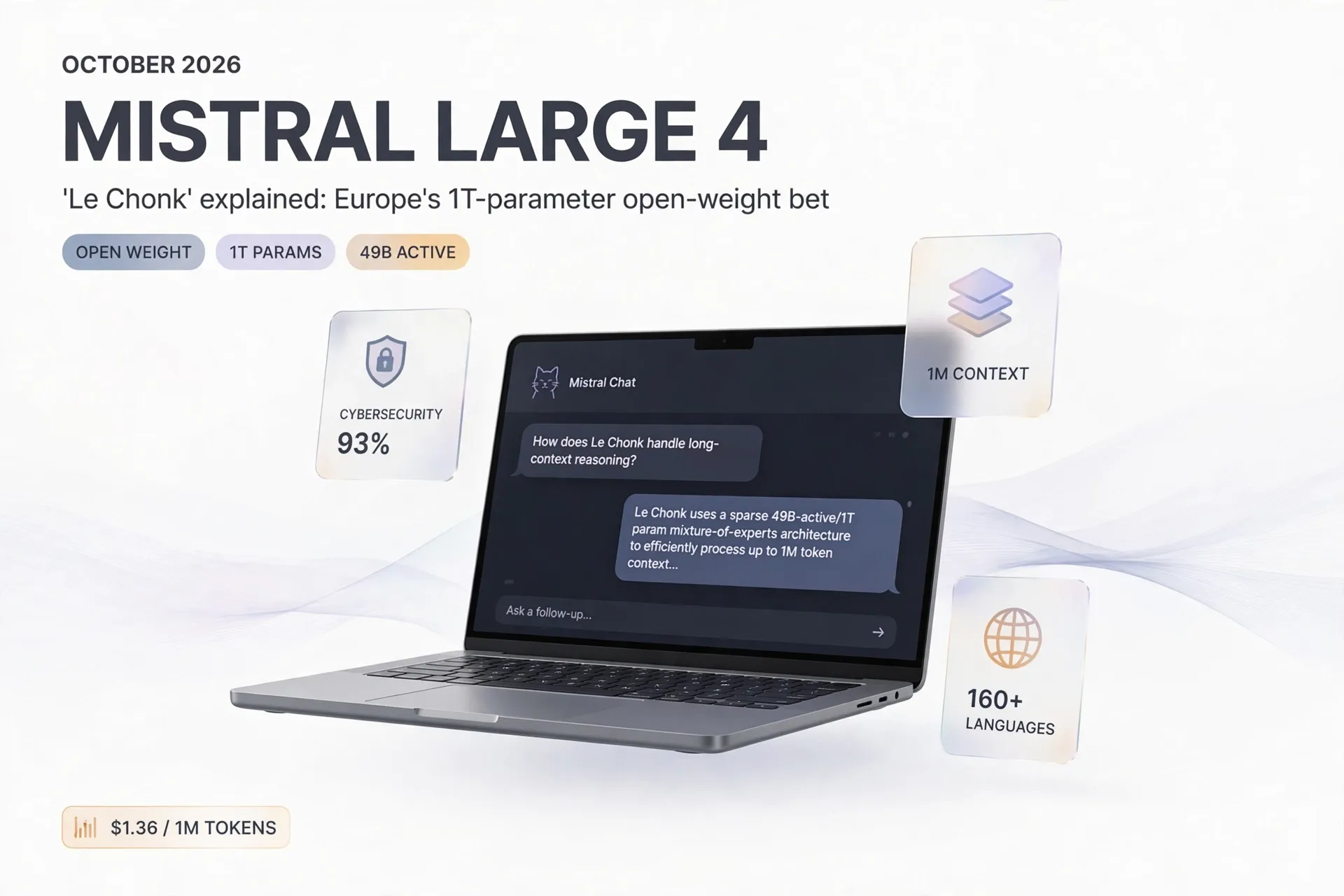
On October 6, 2026, Mistral AI unveiled Mistral Large 4 — a natively multimodal mixture-of-experts model with about one trillion parameters, 49 billion of them active per token, a one-million-token context window, and a nickname no committee approved: "Le Chonk." It is the French lab's biggest swing yet at the open-weight crown currently held by Chinese labs, and its first release since Mistral finished building its own European datacenters and closed a €3 billion funding round.
The pitch is efficiency plus sovereignty: near-frontier capability at mid-tier inference cost, trained on far less hardware than rivals, with open weights promised by the end of October. The benchmarks — all company-reported so far — are strongest in cybersecurity, where Mistral argues the closed labs' refusal behavior is itself the bug. Here is what shipped, what the numbers say, and five ways to put the model to work.
What happened
Mistral announced Large 4 as a public preview on October 6, 2026, with API access immediately available through Mistral Studio and the open weights scheduled to follow by the end of October — October 27, according to the company. The preview runs on the same infrastructure the model was trained on: Mistral's own European datacenters.
The timing matters. Mistral's last major model release was in December 2025, and its models had slipped to 24th on Artificial Analysis's aggregate intelligence ranking, behind American leaders and fast-moving Chinese open-weight labs. Co-founder Guillaume Lample told Le Monde the new model "narrows the gap," and the company's press release placed it "among the world's best open models" — a segment it concedes is currently led by Chinese players.
The name deserves a sentence. "Le Chonk" began as a fan meme — a fictional ultra-model dubbed "Le Chaton Fat" ("the fat kitten") that supporters joked would beat Claude. CEO Arthur Mensch played along on X, and four months later the joke became the codename on a real trillion-parameter model.
Under the hood: a trillion parameters, 49 billion awake
Large 4 is a sparse mixture-of-experts design: roughly 1.05 trillion total parameters per the model documentation, with about 49 billion active for any given token (Mistral's docs model page currently lists 52B). That ratio is the whole economic argument. Inference cost tracks the active parameters, so the model serves at roughly the cost of a 49-billion-parameter system — while the full 1.05 trillion still has to fit in memory somewhere. Anyone sizing hardware for self-hosting should read that second sentence twice.
It is a hybrid instruct-and-reasoning model with native image input via a 1.6-billion-parameter vision encoder and a one-million-token context window per Mistral's docs. Training data spanned more than 160 languages, including every official EU language. The expert count and routing details have not been published; they arrive with the weights.
The training story is what Mistral most wants noticed: built from scratch on 3,800 NVIDIA Grace Blackwell GPUs inside its own European datacenters — not rented cloud capacity — in roughly two months. Lample told Le Monde that is "two to three times fewer" chips than Chinese startups use, versus the "hundreds of thousands" at American leaders.
What the numbers actually say
Every figure below is company-reported — Mistral's own evaluations, not independent verification. Le Monde notes the claimed standings "remain to be confirmed." Read accordingly.
Cybersecurity is the headline. Mistral reports 93% on Cybench's 40 security-competition exercises and 82% on CyberGym-E2E, placing the model in the global top five of the Artificial Analysis Cyber Index. On one test — reproduce a real vulnerability in open-source software, then patch it — Mistral claims the highest score of any model. The more interesting claim is structural: several closed frontier models score near zero on CyberGym-E2E, Mistral says, because they refuse the task outright — and reproducing a vulnerability to prove it is real is standard defensive work. Mistral is red-teaming Large 4 with cybersecurity leaders, vetted partners, and state authorities, and argues an open-weight model with sensible defaults serves defenders better than a locked-down API. On safety, the company reports resisting 93.3% of attacks on Lakera's public B3 benchmark: a benchmark result, not evidence of immunity to prompt injection.
Coding is competitive, not leading. Mistral reports 61.7% on DeepSWE v1.1 (Le Monde, citing preliminary figures, put it at 63% — on par with Z.AI's GLM-5.3 and 12th overall, with the top models reaching 74%), plus 59.4% on SWE-Atlas-QnA and 28.3% on Terminal-Bench 4. The more honest signal may be a blind human evaluation with Surge AI: annotators with hidden model identities rated Large 4 Preview 3.74 out of 5 — second of five, behind Claude Opus 5 (4.22) but ahead of GLM-5.3 (3.60) and Kimi K3 (3.59).
Enterprise and visual tasks. Mistral reports 59.9% on AutomationBench (657 business workflows across Gmail, Google Sheets, Slack, and Salesforce), 42% on Dense 200 visual grounding versus 41% for GPT-6 Astra in its own testing, and 54.7 on Finance Agent v2 — ahead of GPT-6 Astra's 53.5, behind Claude Opus 5.5's 58.6. On the independent Artificial Analysis Intelligence Index, reporting puts Large 4 at 38: the highest for any open model built outside China, though seven Chinese open models score higher.
The pattern: Mistral is not claiming to beat the closed frontier. It claims to lead the open-weight contest outside China at mid-tier prices — the model defenders reach for when closed APIs say no.
5 ways to put Large 4 to work
The weights are not out yet, so using it today means the preview API, Mistral's own assistant, and preparing for the open-weight drop. Five concrete paths, from zero-setup to self-hosted.
1. Chat with it in Vibe, Mistral's own assistant
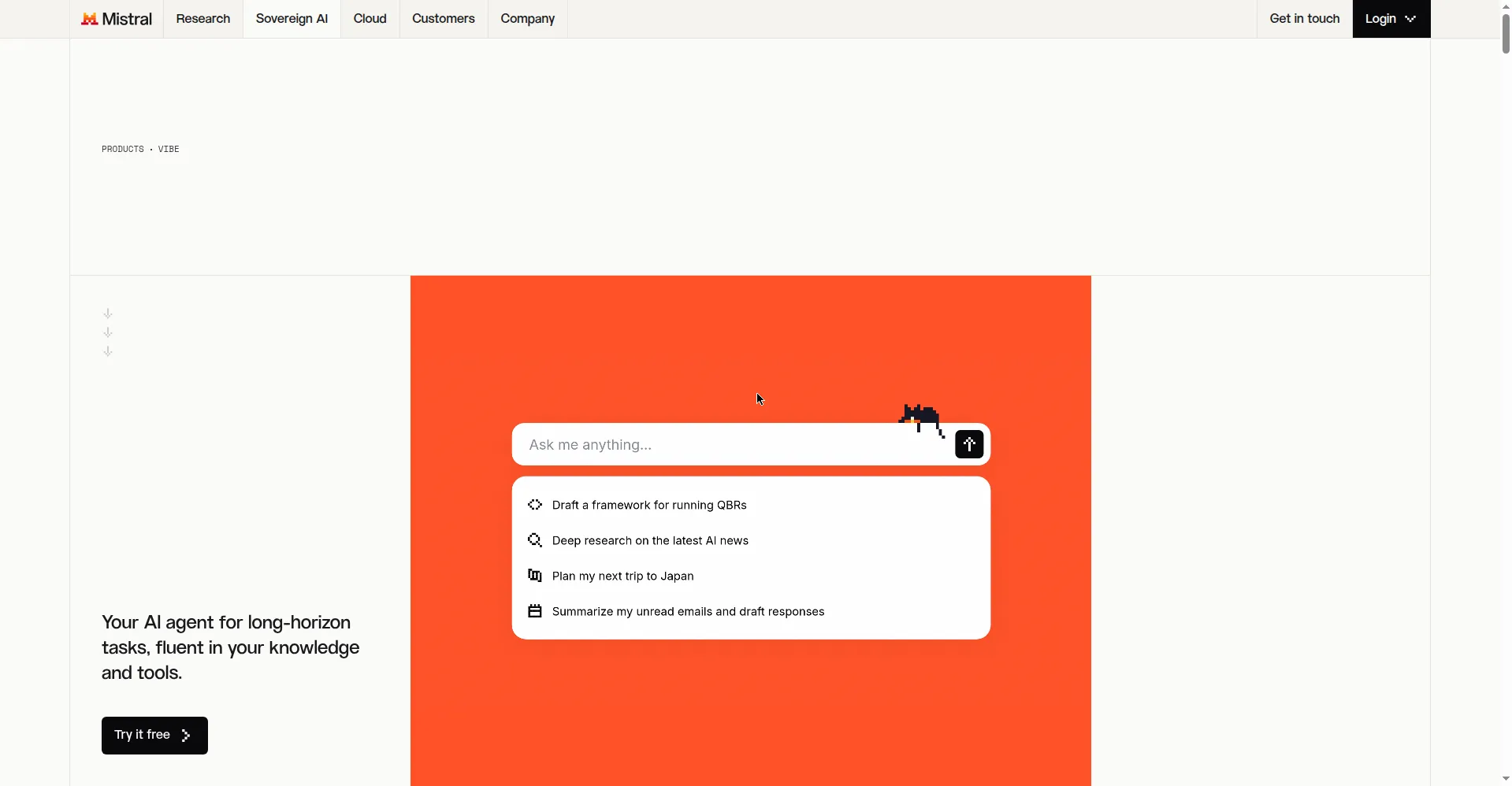
The fastest path is the product Mistral built for everyone else. Vibe — the assistant formerly known as Le Chat — is Mistral's chat app, and the company says Large 4 will become its default model, with users still able to switch to alternatives like GLM where those lead. Open Vibe, pick Large 4, and run your hardest multilingual or document-heavy prompts at it — no API key required.
2. Call the preview API through Mistral Studio
For builders, the preview API is live now on Mistral Studio, Mistral's developer console. List pricing is $1.36 per million input tokens and $4.18 per million output tokens, currently half off in a preview sale ($0.68/$2.09; cached input $0.07). The API supports function calling, structured outputs, document Q&A, batching, and Mistral's Agents and Conversations endpoints — existing integrations can swap the model string and benchmark Large 4 today.
3. Grab the weights on Hugging Face when they drop
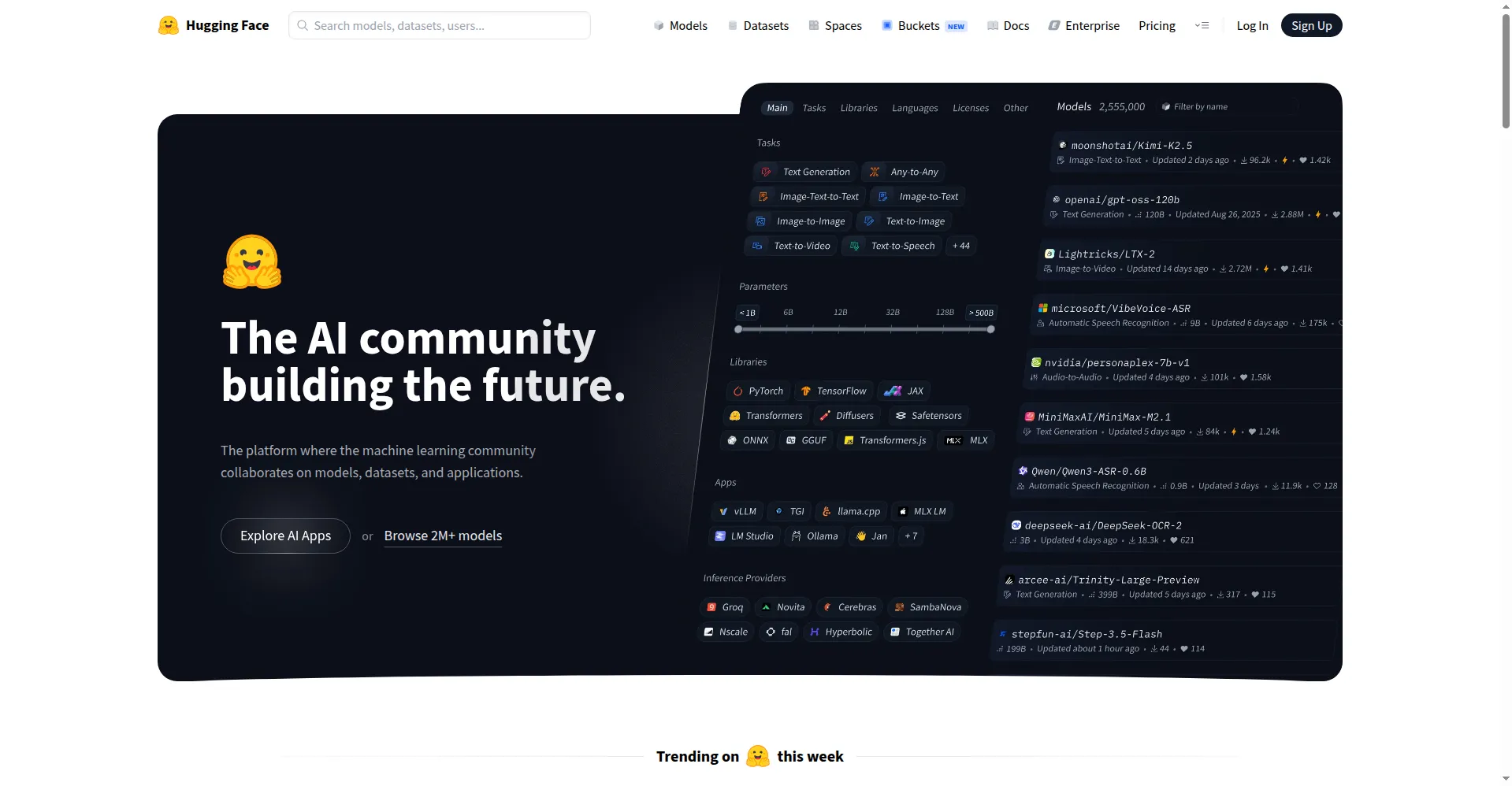
The open weights are promised by the end of October, alongside architecture details, more benchmarks, and the post-training methodology. Mistral's open-weight releases have historically landed on the Hugging Face Hub, so the Hub is the page to watch. One hardware reality: the full 1.05 trillion parameters must sit in memory before a single token is generated — this path is for organizations with datacenter-scale GPUs, not laptops.
4. Serve it yourself with vLLM
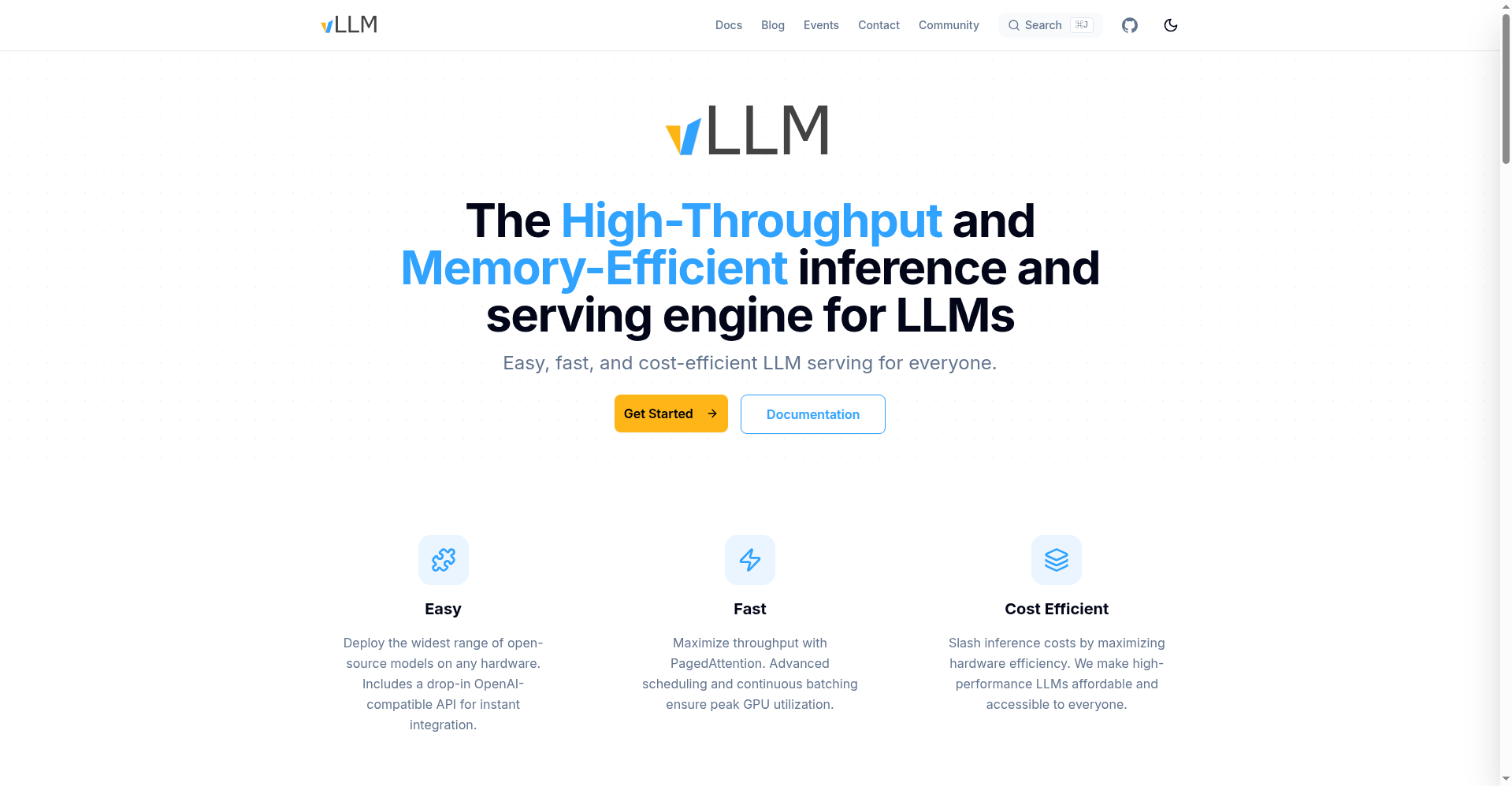
When the weights land, vLLM is the standard open-source stack for serving them: PagedAttention, continuous batching, an OpenAI-compatible API server, and explicit support for MoE architectures like Mixtral and DeepSeek-V3. A 49-billion-active MoE with a million-token context is exactly the shape vLLM is built for. For European companies buying the sovereignty argument, this is the deployment path: your GPUs, your policies, no provider kill-switch.
5. Benchmark it against rivals through OpenRouter
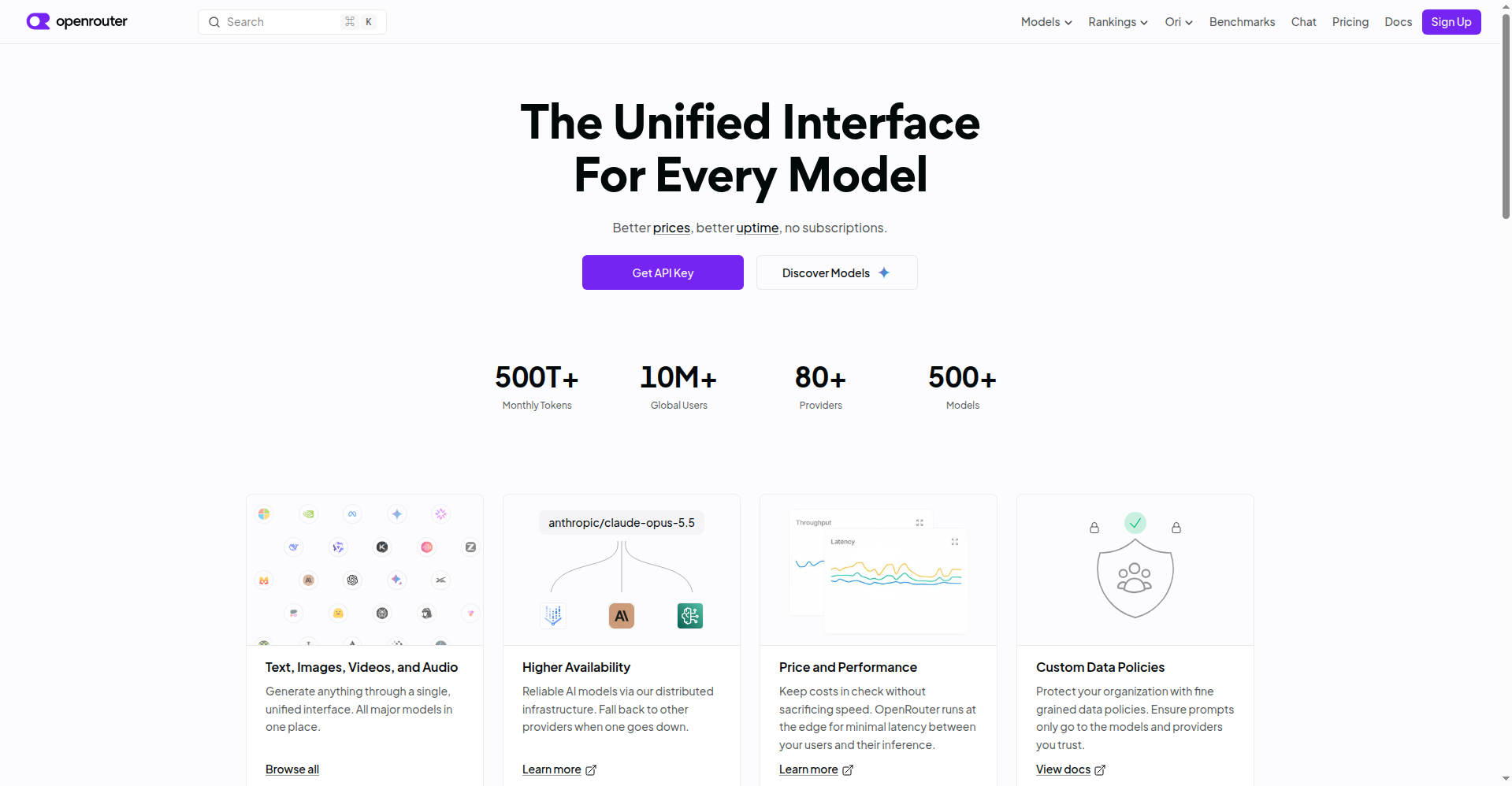
If your job is comparing models rather than committing to one, OpenRouter puts 500+ models behind a single OpenAI-compatible endpoint with unified billing — Mistral among its listed providers. That makes it the natural switchboard for the question Large 4 raises: is Europe's best open-weight model actually better for your workload than GLM-5.3 or Kimi K3? Change a model string, keep the harness identical, and let the numbers decide.
Who should care — and the limits
Security teams get the clearest pitch: a model that does not refuse legitimate vulnerability research, with an open-weight path to on-premise deployment where provider policies cannot interfere. European enterprises and governments get the sovereignty story — training and inference under European jurisdiction, every EU official language covered, reference customers like Airbus and BMW. Builders on a budget get trillion-parameter-class capability at preview-sale pricing of $0.68/$2.09 per million tokens, with open weights coming for anyone who wants to cut the API cord.
The limits are real. Nothing is independently verified yet — every benchmark is Mistral's own, detailed results arrive with the weights on October 27, and the license has not been announced. "Open-weight" is not "open-source" until the terms say so. The model trails Chinese open models on raw capability by Mistral's own admission, and the closed frontier by more. A million-token context is only useful if attention holds up across it — unproven until third parties test it. And the cybersecurity positioning cuts both ways: the reduced-refusal behavior that helps defenders is exactly what the red-teaming program exists to keep from helping attackers.
Bottom line
Mistral Large 4 is Europe's most serious open-weight bid yet: a trillion-parameter MoE trained in two months on hardware Mistral owns, priced to undercut the closed frontier, aimed at security and sovereignty workloads where provider refusals and foreign jurisdiction are deal-breakers. The benchmarks are promising but self-reported; the weights, the license, and the independent verdicts all land by the end of October. Until then, the preview API and Vibe are the honest ways to kick the tires.
References
- Le Monde, "Mistral AI unveils new AI model aimed at 'narrowing the gap' with top Chinese competitors" (October 6, 2026): https://www.lemonde.fr/en/economy/article/2026/10/06/mistral-ai-unveils-new-ai-model-aimed-at-narrowing-the-gap-with-top-chinese-competitors_6758318_19.html
- Artificial Intelligence News, "Mistral AI launches Large 4 preview ahead of open-weight release" (October 2026): https://www.artificialintelligence-news.com/news/mistral-ai-launches-large-4-preview-ahead-open-weight-release/
- MarkTechPost, "Mistral AI Releases Mistral Large 4 (Le Chonk): A 1.05T Parameter Multimodal MoE Model" (October 6, 2026): https://www.marktechpost.com/2026/10/06/mistral-ai-releases-mistral-large-4-le-chonk-a-1-05t-parameter-open-weight-multimodal-moe/