
Mistral Large 4 Open Weights Explained: 5 Ways to Download and Run Le Chonk
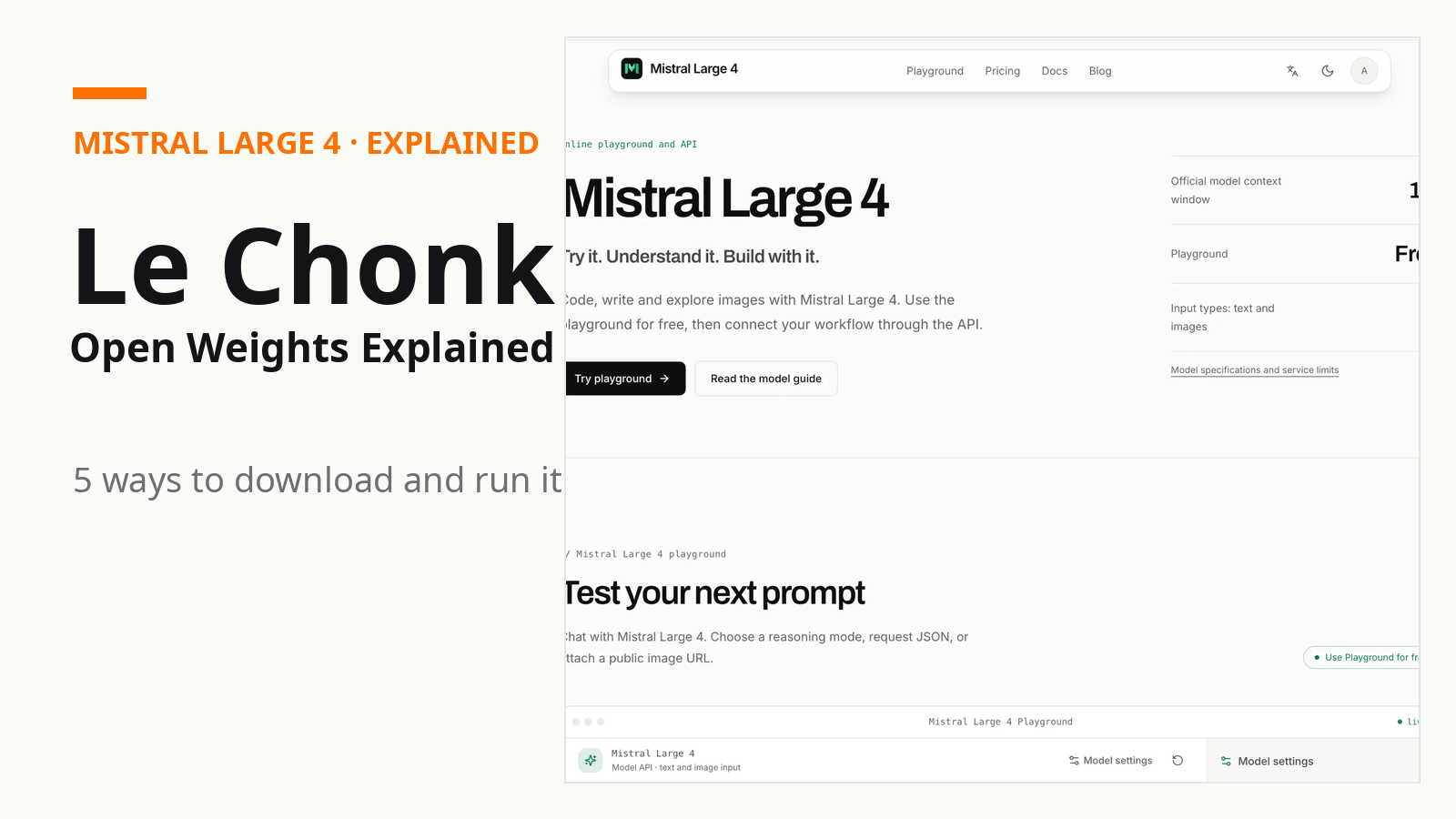
On October 29, 2026, Mistral AI did what its October preview promised: it published the weights of Mistral Large 4, the trillion-parameter model it nicknames Le Chonk. Anyone can now download the model, inspect it, fine-tune it, and run it on their own infrastructure, instead of renting access through an API. The download is not the same checkpoint that appeared in the October 6 preview. Mistral says three more weeks of reinforcement learning went into this version, with the biggest gains in coding and defensive cybersecurity.
That distinction matters: the preview told you the model existed, but the weights release changes what you can do with it. You can host it, adapt it to your own code and data, and keep running it if a provider changes its prices or policies. It also shifts responsibility. Behind an API, the provider sets the guardrails and can withdraw access; on your own servers, those decisions are yours. Below is what was released, what Mistral claims, where the claims stop, and five ways to try it this week.
Open weights, plainly: what you actually get
Weights are the trained numbers inside a model: the result of months of training, distilled into files you can download. Publishing them does not publish Mistral's training data or its full training recipe. What it does give you is independence. An API customer depends on a vendor staying willing to serve them, at that price, under that policy. A weights customer depends on hardware and electricity. Mistral's vice president of science, Pierre Stock, put the point bluntly to TechCrunch: access to an open-weight model cannot be cut off by definition, because the model itself is in your hands.
That independence has a price, measured in GPUs. Large 4 is a mixture-of-experts model with about 1 trillion parameters in total, of which roughly 49 billion are active for each token (52 billion counting embeddings and output layers). It reads text and images, writes text, and carries a context window of 1 million tokens. Mistral ships two official variants, an FP8 checkpoint and a smaller NVFP4 checkpoint for Nvidia Blackwell hardware, and the official serving recipes target multi-GPU servers. This is a data-center model with a free download, not a free model for every device.
Read the license before you build on it. Large 4 is released under the Mistral Ecosystem Open-Weight License, a modified MIT license. You may use, modify, fine-tune, and commercialize products built on it without paying Mistral for the weights. There is one carve-out with real teeth: a business that offers the model itself as a hosted service must obtain a separate commercial license from Mistral first. Building an app on top of Large 4 is covered. Reselling Large 4 as a service is not.
The improved checkpoint, by Mistral's own numbers
Every performance figure in this section comes from Mistral, not from independent testing, and a full technical report is still, in Mistral's words, coming soon. Test the numbers on your own workloads before committing to anything.
On coding, Mistral says Large 4 leads open-weight models on Cognition's private FrontierCode 2.0 benchmark at 19.7 percent, scores 48 percent on Artificial Analysis's Coding Agent Index, effectively tied with the leading open-weight model GLM-5.3 while using 47 percent fewer tokens per task on average, and reaches 41 percent on Terminal-Bench 4.0, up 13 points from the preview while using 30 percent fewer output tokens. On cybersecurity, the company reports 51 percent on the Artificial Analysis Cyber Index and an average refusal rate of 96.6 percent on malicious cyber requests across JailbreakBench, StrongREJECT, and AgentHarm.
Two qualifications keep those claims honest. First, on Artificial Analysis's aggregate Intelligence Index, Hugging Face notes that Large 4 ranks fifth among open-weight models overall: it is a coding and cyber specialist, not the best open model at everything. Second, Mistral itself acknowledges the dual-use tension. The company says it saw potential for uplift in conducting real attacks during the preview, and is tightening its guardrails. A specialized variant tuned for penetration testing goes only to vetted partners such as Orange Cyberdefense, under contract, for use on systems they own or are authorized to test. The public model is the defensive one.
One practical improvement is easy to miss in the benchmark tables. Large 4 now offers three reasoning modes: Low for simple tasks, Medium for everyday work, and High, the default, for the hardest jobs. That is a cost lever the preview lacked: dropping a mode can cut the token bill without changing models.
Five ways to put Le Chonk to work
1. Try it with no setup in Vibe
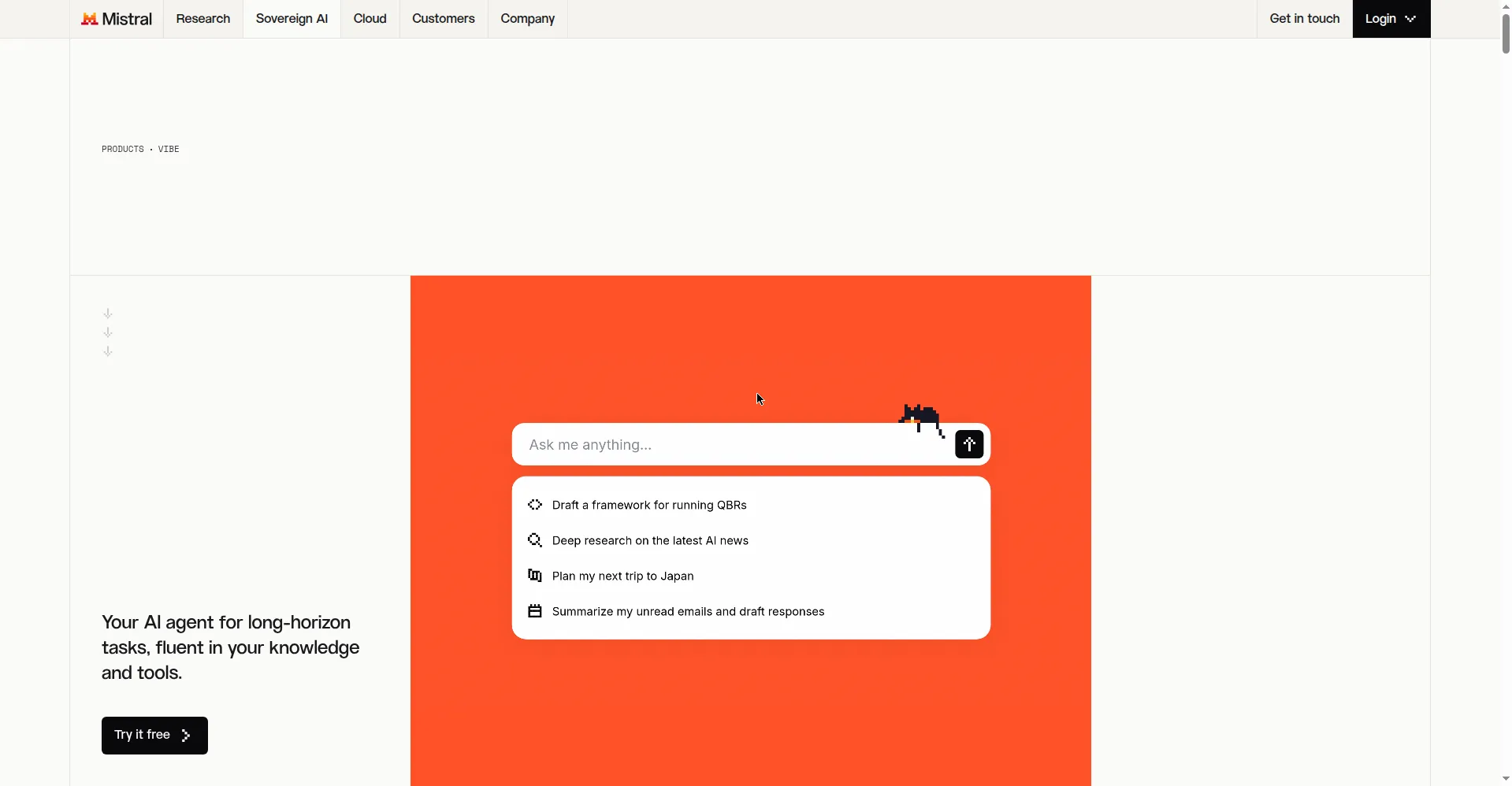
If you only want to feel what the model can do, start with Vibe, Mistral's assistant, formerly known as Le Chat. It runs on the web and mobile, and in the terminal and editor for coding work; Mistral says the new model is available in Vibe Code. The trade-off is the obvious one: you are using Mistral's hosted service, so you get convenience instead of the independence the weights release is about.
2. Call it through the official API in Mistral Studio
For developers building an app, Mistral Studio is Mistral's own console and API platform: keys, a Playground for testing prompts in the browser, evaluations, agents, and SDKs. As of the October 29 release, Mistral prices Large 4 at $0.70 per million input tokens, $0.07 per million cached input tokens, and $2.10 per million output tokens, roughly half the model's list price during the preview period. Use the Playground first to check the three reasoning modes on your own tasks before you wire anything into production.
3. Download the weights from Hugging Face
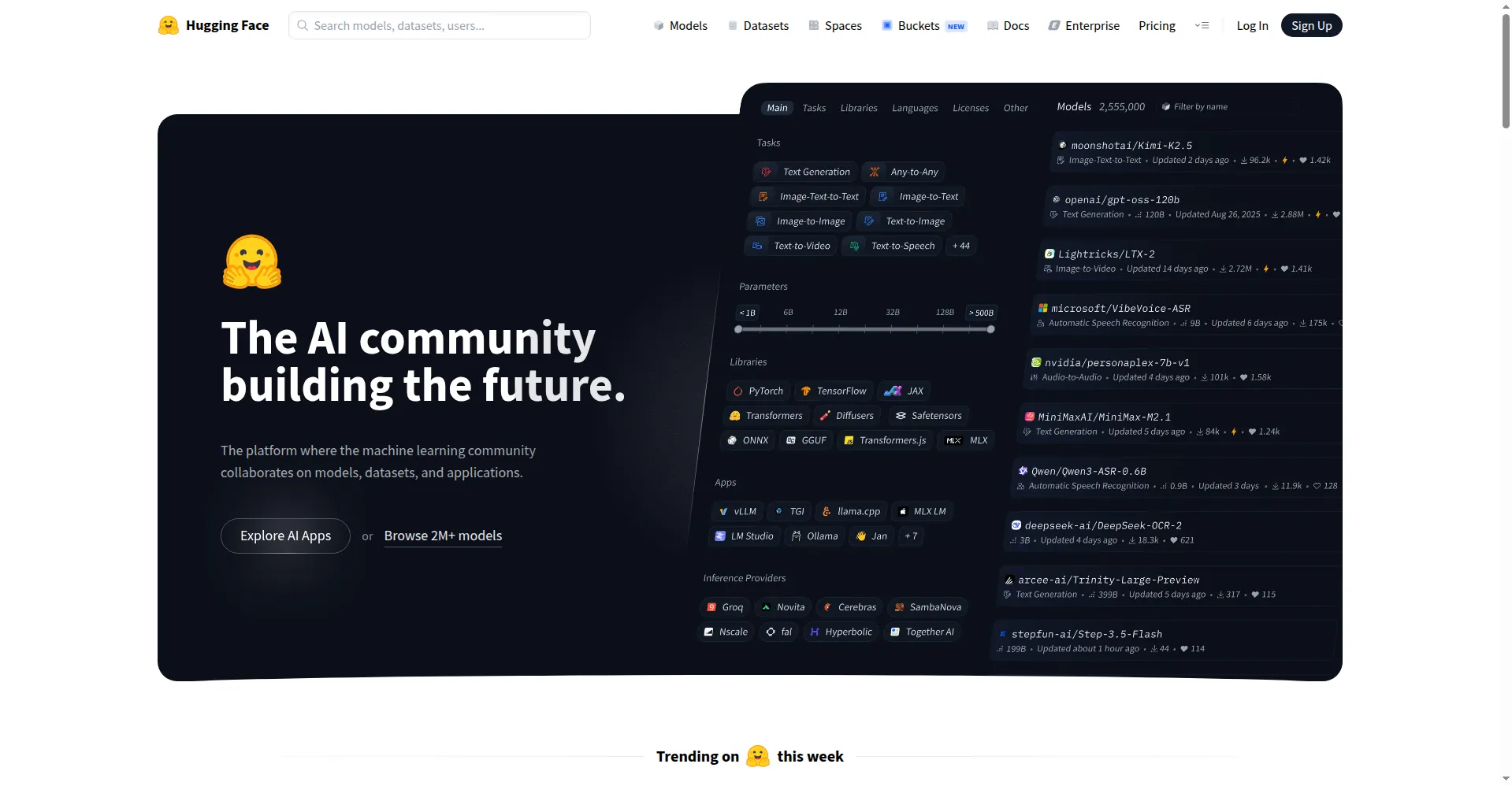
For teams that want the real thing, Hugging Face hosts the weights as mistralai/Mistral-Large-4-1T-A52B, in both the FP8 and NVFP4 variants, with day-one support in Transformers, vLLM, and llama.cpp, plus community GGUF builds. This is the route for sovereignty: your data stays on your infrastructure, you can fine-tune on proprietary code or security data, and no provider can change the terms under you. It is also the route with the steepest requirements, so budget for multi-GPU serving, read the license's model-as-a-service condition first, and run your own evaluations.
4. Reach it through one key on OpenRouter
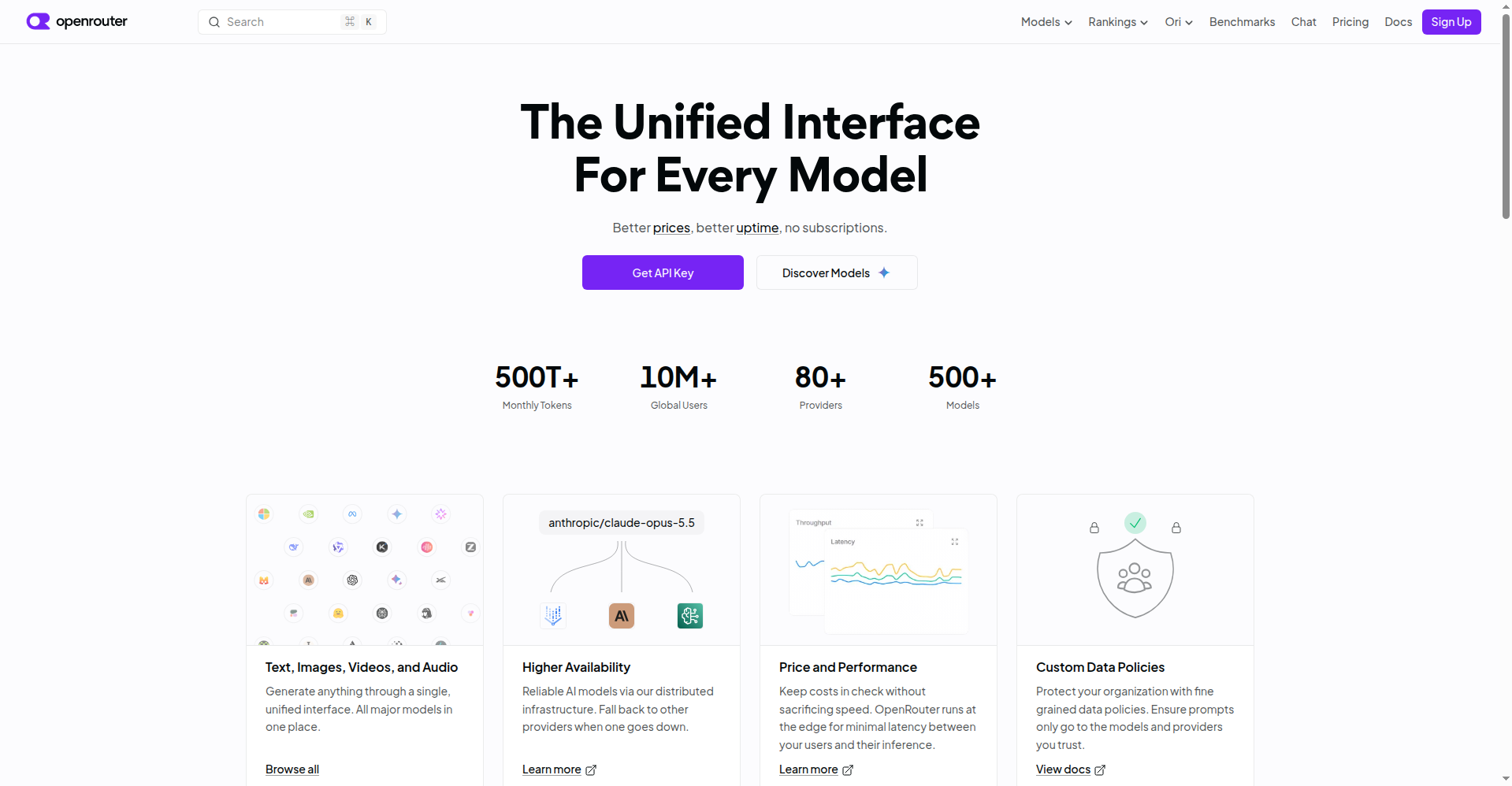
If you already route models through a single endpoint, OpenRouter carries Large 4 behind one OpenAI-compatible API, with unified billing and automatic failover across providers. The appeal is operational: switch models by changing a string, keep one key and one bill, and compare Large 4 against alternatives without re-plumbing your app. Check its current listing first, since third-party pricing can differ from Mistral's own list.
5. Deploy it as a managed service in Microsoft Foundry
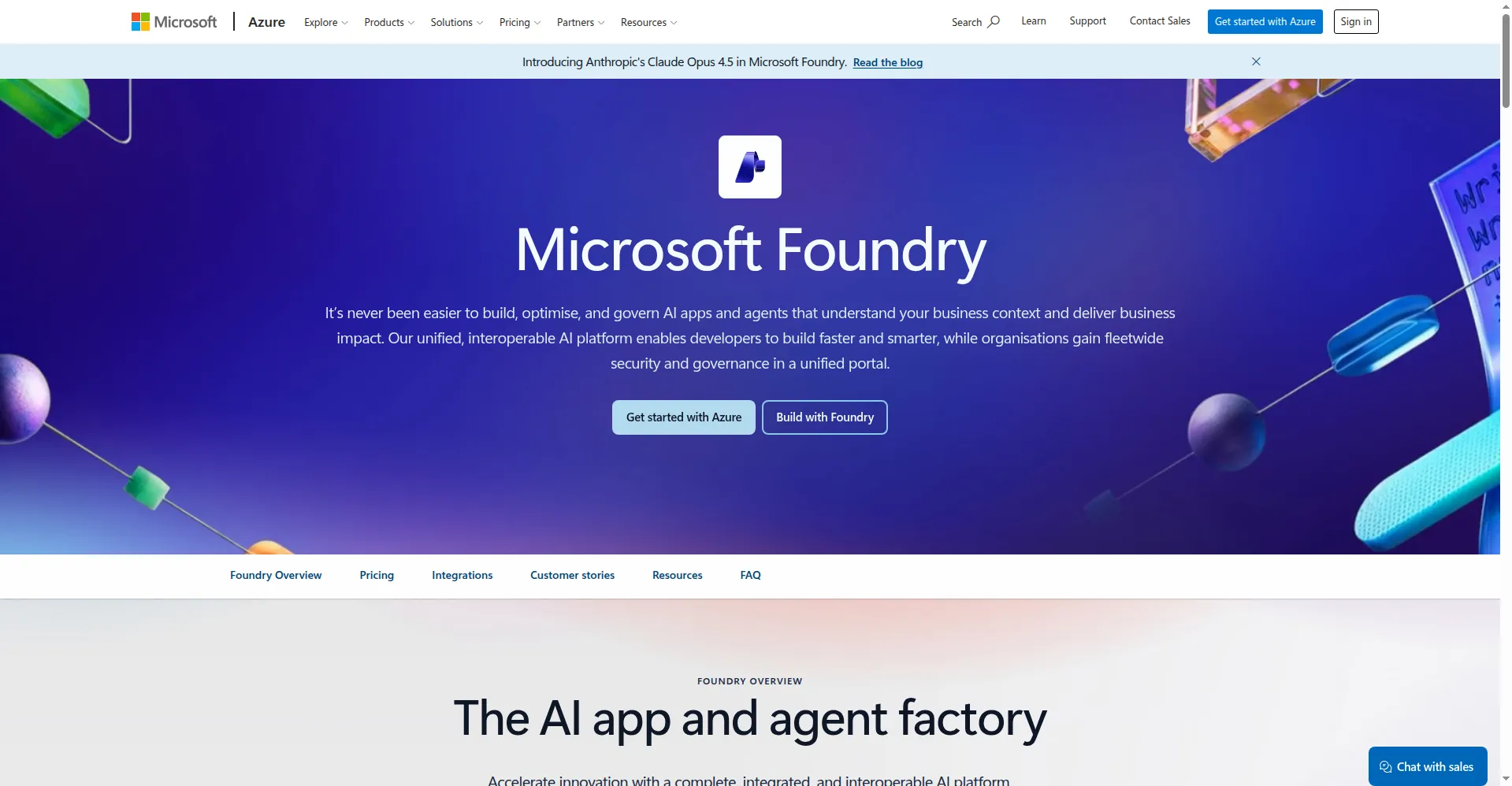
For enterprises that want control without running GPUs themselves, Microsoft Foundry is the first cloud platform to carry Large 4, with private deployment options for Azure developers and the governance and observability tooling large organizations usually require. If your organization already standardizes on Azure, this is the lowest-friction way to pilot Large 4 on internal code and data.
Before you commit: the honest catch list
Start with the license, because it is the only catch that can become a legal problem. Free weights do not mean unrestricted commercialization: reselling the model as a service needs Mistral's separate license. Next, the hardware bill: the download is free, but serving a trillion-parameter model is not cheap, and the NVFP4 variant only helps if you have Blackwell-class GPUs. Community builds that squeeze the model onto a single machine exist, but they trade speed for feasibility.
Then there is the safety trade-off no benchmark table captures. Open weights cannot be recalled. Once the checkpoint is mirrored, Mistral cannot stop anyone from running it, fine-tuning it, or trying to strip out its refusals. That is the same property that makes the model attractive to defenders: nobody can cut off a security team in the middle of an incident. If you deploy Large 4, own the monitoring and access controls.
Finally, remember what is still missing. The full technical report has not arrived, the headline numbers are vendor-reported, and the aggregate rankings place Large 4 behind the leading Chinese open models overall even as it leads on coding and cyber tests. None of that makes the release unimportant. It makes it a specialist's release, unusually strong at coding agents and defensive security, where organizations most want independence.
Who should grab it this week
Developers should try it in Vibe or the Studio Playground and compare it on their own repository tasks before believing any benchmark. If you run a security team, the weights release is worth a serious pilot: reproduce-and-patch workflows on your own codebase, inside your own infrastructure, are the use case Mistral built this release for, and the refusal behavior is testable rather than something you must take on trust. Enterprise buyers should start with Foundry or the API, and treat self-hosting as a second step once the pilot proves its value. And if you have no GPU budget and no security workload, enjoy the news and move on: Large 4's benefits accrue to people who will actually run it.
The broader signal is worth watching. A frontier-class model that a few years ago would have stayed behind a closed API is now a download, with a license that invites commercial building and a price list that undercuts its own preview. Whether that becomes the normal way frontier models ship depends on what developers and defenders build with it in the next few months. The weights are out. What happens next is up to the people who download them.
Sources
- Mistral Large 4 announcement — mistral․ai
- Mistral releases weights for its trillion-parameter AI model — techcrunch․com
- Welcome Le Chonk: Mistral Large 4 on Hugging Face — huggingface․co