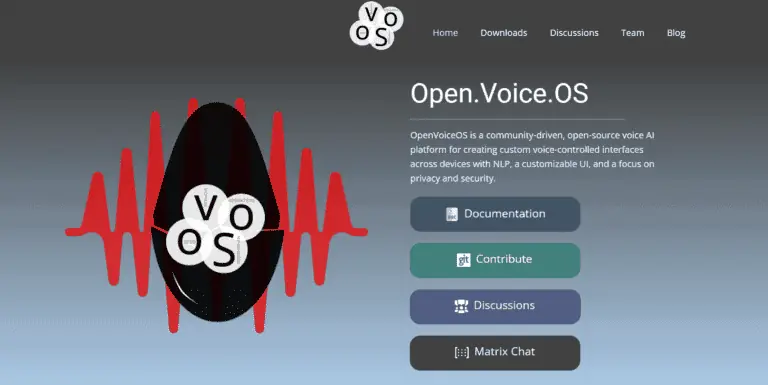
Open Voice OS
A community powered Linux distribution.
Product screenshot
Overview
What is Open Voice OS?
OpenVoiceOS: A Community-Driven Open-Source Voice AI Platform
OpenVoiceOS is a pioneering, community-driven, open-source voice AI platform designed to empower developers to create custom voice-controlled interfaces across a variety of devices. With a strong emphasis on privacy, security, and customizability, OpenVoiceOS offers a unique playground for developers and enthusiasts alike.
Key Features
- Community Driven: Supported by a global community of developers from various Linux and FOSS communities.
- Multi-platform Support: Compatible with embedded headless devices, single-board computers, and DIY smart speakers.
- Experimental Core: A platform for testing experimental features before integrating them into mainstream Linux-based voice assistant projects.
- DIY Focus: Open to all developers and contributors, encouraging support for specific devices or platforms.
Main Use Cases
OpenVoiceOS is ideal for developers and enthusiasts looking to experiment with and create cutting-edge voice assistance technology. It's particularly suited for those interested in customizing their smart home devices with advanced voice control features.
How to Use
Getting started with OpenVoiceOS is straightforward. The platform offers two main installation methods: Docker and Python. For developers looking to work with the code, the Python virtual environment is recommended. For a stable and easy setup, Docker is the preferred method. The installation process involves running a simple command in the terminal.
User Experience
OpenVoiceOS has garnered positive feedback for its flexibility, customizability, and the active community supporting it. Users appreciate the platform's focus on privacy and the ability to run some skills entirely offline, although internet connectivity is required for certain features.
Potential Limitations
While OpenVoiceOS offers a robust set of features and a high degree of customization, it currently requires an internet connection for some speech-to-text (STT) functionalities. Additionally, while it aims to be compatible with Mycroft, it operates as a fully independent project.
Contribution
OpenVoiceOS thrives on community contributions. Whether you're testing, reporting bugs, writing documentation, creating skills, or contributing code, there are numerous ways to get involved. The project encourages all forms of participation and provides detailed documentation on how to contribute.
Platforms and languages
Open Voice OS Availability
Platforms
Languages
Compare similar tools
Open Voice OS Alternatives
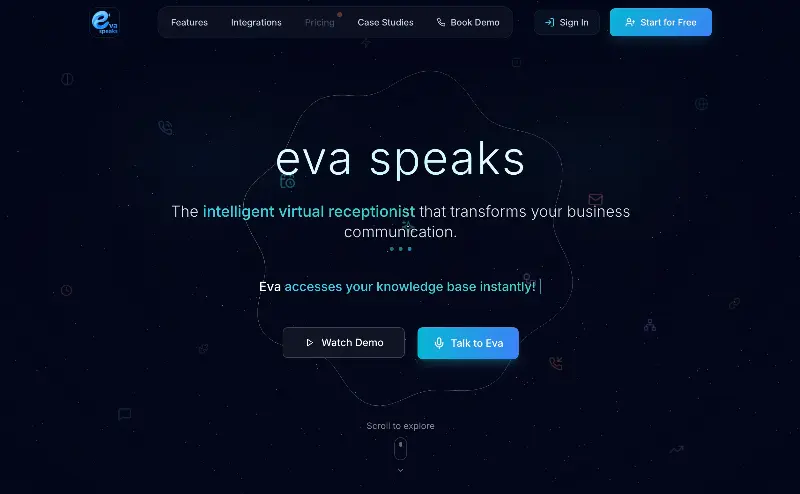 EvaSpeaksEvaSpeaks is an AI-powered virtual receptionist that answers calls 24/7, handles customer inquiries, schedules appointments, captures leads, and routes calls to the right team. It helps businesses improve response times, reduce missed opportunities, automate routine communication, and provide reliable customer support even outside regular business hours.5.0(1 reviews)AI Business SolutionsAI Voice RecognitionAI WorkflowAI receptionist
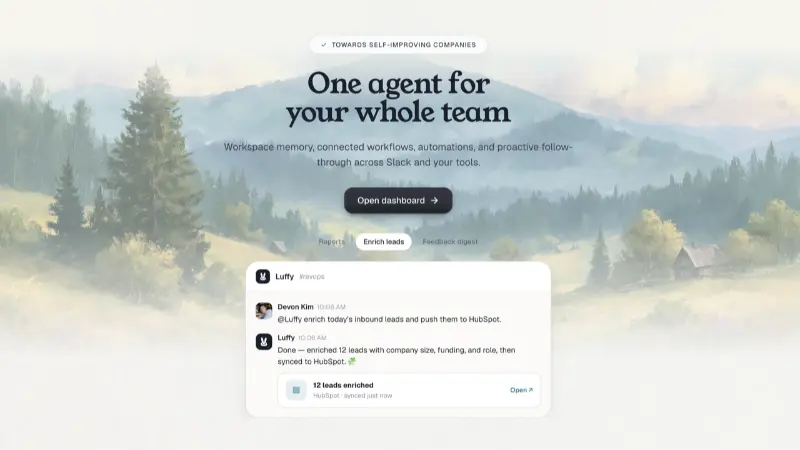 LuffyAI employee that gets work done directly in Slack5.0(1 reviews)AI Productivity ToolsAI Personal AssistantsAI WorkflowAI assistantautomationworkflow
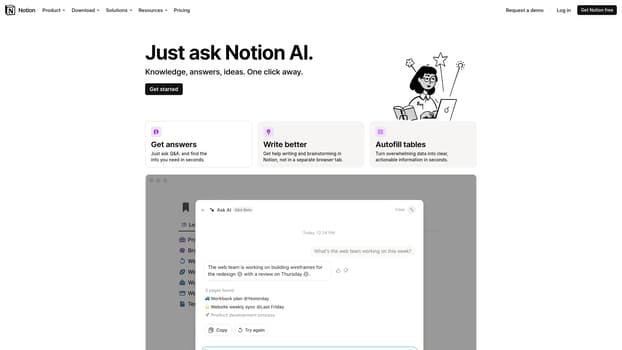 Notion AIGet answers to your urgent questions, using info across your wiki, projects & docs.4.0(1 reviews)AI Personal AssistantsAI Productivity ToolsQ&Awriting-assistancedata-organization
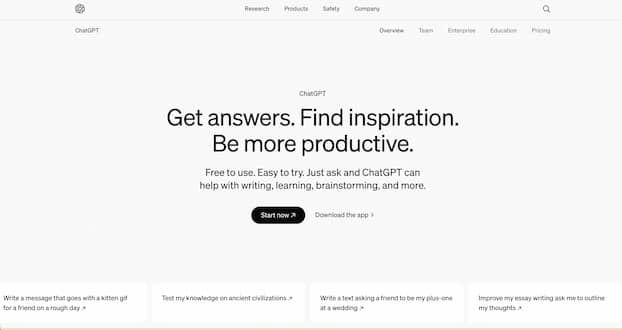 ChatGPTChatGPT helps you get answers, find inspiration and be more productive. It is free to use and easy to try. Just ask and ChatGPT can help with writing, learning, brainstorming and more.5.0(2 reviews)AI ChatbotsAI Personal AssistantsAI-poweredconversationproductivity
 GeminiBard is now Gemini. Get help with writing, planning, learning, and more from Google AI.5.0(1 reviews)AI Personal AssistantsAI Text WritingGoogle AIcreative inspirationtask management
 TaroMind AIGuided AI tarot readings blending Eastern wisdom, Western archetypes, and private journaling.Other AI ToolsAI Personal Assistantstarotreflectionpersonal growth
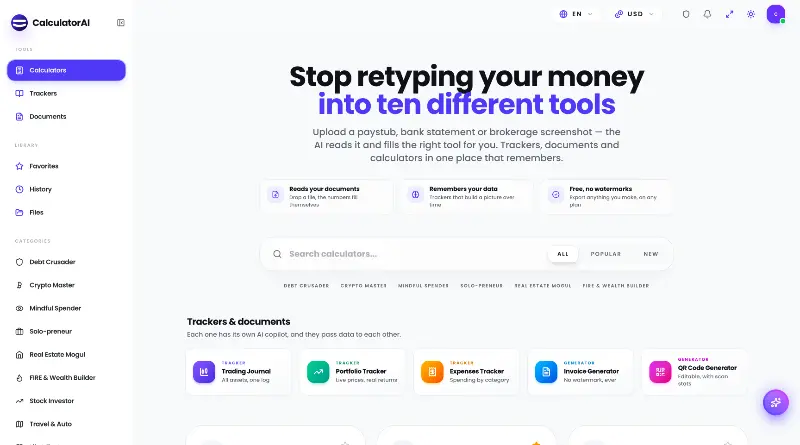 CalculatorAIAI-powered financial workspace with calculators, trackers, document generators, and smart tools for better financial decisions.AI Personal AssistantsAI Data AnalysisAI Productivity Toolsfinancefinancial calculatorsinvesting
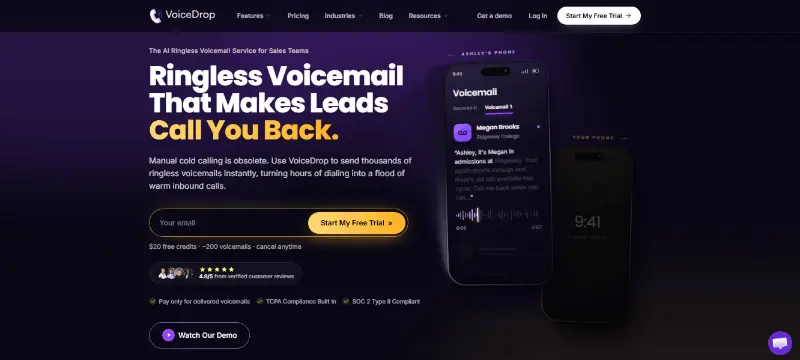 VoiceDropAI-powered ringless voicemail and SMS outreach for personalized campaigns at scale.AI Marketing ToolsAI WorkflowAI Voice RecognitionAI VoiceVoice CloningRingless Voicemail
 FriendPetTurn a pet, partner, or friend photo into a webpage desk pet for Chrome — walks, waves, and says hello on the pages you browse.4.0(1 reviews)AI Productivity ToolsAI Personal AssistantsOther AI Toolsdesk petchrome extensioncompanion
 FatePulseAll-in-one metaphysics & divination platform with a real calculation engine: Bazi (Four Pillars), Zi Wei Dou Shu, Western astrology, Tarot, Qi Men Dun Jia, Liuyao, Da Liu Ren, Mei Hua Yi Shu, marriage compatibility and a daily Chinese almanac.4.0(1 reviews)AI Personal AssistantsOther AI ToolsAI Content GenerationAI AstrologyAI Fortune TellingBazi Reading
Reviews
See what the community thinks and share your experience.
—
Based on 0 ratings
Rating distribution
Community reviews
No reviews
No written reviews yet.