
Claude Haiku 5.5 Explained: Anthropic's $0.10 Speedster — and 5 Ways to Use It
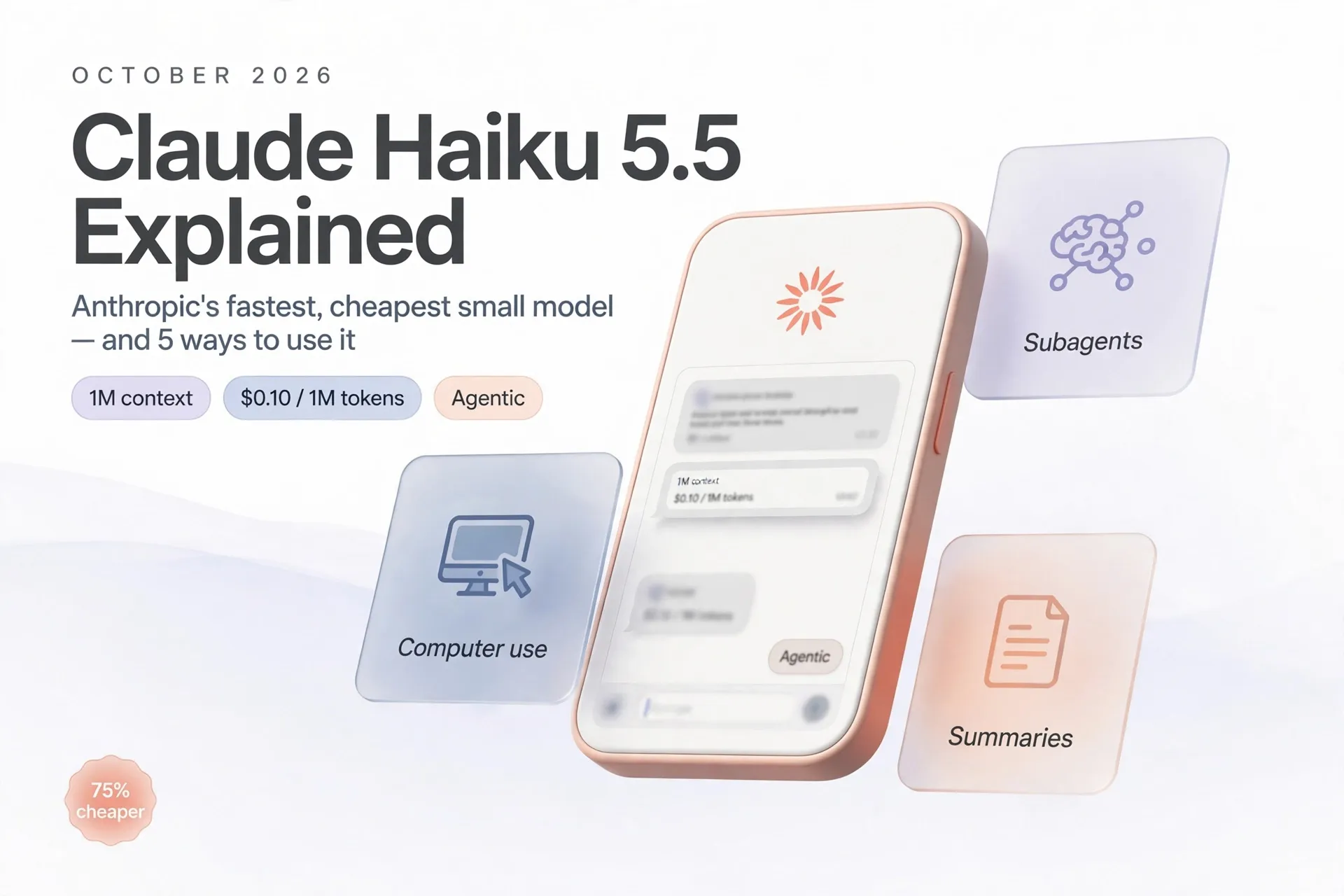
Anthropic has a habit of naming its smallest models after short Japanese poems. On October 7, 2026, it shipped the most consequential one yet: Claude Haiku 5.5, a small model the company calls "the cheapest, fastest, and most capable small model we've ever released." The headline number is the price — $0.10 per million input tokens for typical requests, a tenth of what its predecessor charged — but the more interesting number is 72.4%: its score on OSWorld, a benchmark that measures whether an AI can actually operate a computer. The previous Haiku scored 15.7%.
Here's what Haiku 5.5 is, what it costs, where it falls short — and five tools already putting it to work.
What Anthropic shipped
Haiku 5.5 completes the Claude 5.5 family, following Sonnet 5.5 and Opus 5.5. It is built for the unglamorous workloads that run thousands of times a day: summaries, compaction (compressing conversation history so agents keep going), database queries, and classification. Anthropic also positions it as a subagent — the fast worker model that does narrowly scoped jobs underneath Opus 5.5 or Sonnet 5.5 on coding work — and for speed-sensitive tasks like live customer support and browser use.
The spec sheet: a 1-million-token context window (up from 200K), up to 128K output tokens, text and images in with text out, and a June 2026 knowledge cutoff. It is the first Haiku with an adjustable effort setting — low through max — trading thinking time against cost and latency, with adaptive thinking on by default. The API model ID is claude-haiku-5-5, generally available on the Claude API, Amazon Bedrock, Google Cloud, Microsoft Azure, and the Claude Platform on AWS.
Two side announcements came with it. Anthropic halved cache-read pricing on Sonnet 5.5 (from $0.20 to $0.10 per million tokens), which the company says makes Sonnet about 20% cheaper on most agentic work. And Max and Team subscribers get a new monthly API credit: $100 for Max 5x, $200 for Max 20x, up to $500 pooled for Team — meant for experimenting with agents on the API.
The price cut — and the fine print
The pricing is two-tiered, and the tier boundary matters more than the headline:
| Haiku 5.5 (prompts ≤100K tokens) | Haiku 5.5 (prompts >100K tokens) | Haiku 4.5 | |
|---|---|---|---|
| Input / 1M tokens | $0.10 | $0.50 | $1.00 |
| Output / 1M tokens | $0.50 | $2.50 | $5.00 |
| Cache reads / 1M | $0.01 | $0.05 | $0.10 |
For the roughly 90% of requests under 100,000 prompt tokens (Anthropic's figure), that's a 90% cut; Anthropic's own average estimate is a more conservative 75%. Budget carefully, though: Haiku 5.5's new tokenizer counts roughly 30% more tokens for the same text, and at maximum effort it burns several times more reasoning tokens per task. Artificial Analysis's independent index scored Haiku 5.5 at 43 versus 38 for OpenAI's GPT-6 Luna — but measured $0.21 average cost per task against Luna's $0.07. The sticker price is real; the per-task bill depends on your effort setting. Note too that Luna lists identical short-context rates with its higher tier kicking in only above 272K tokens — cheaper on list price for long prompts.
Benchmarks: a small model doing agent work
All of the following are Anthropic's own reported figures — treat them as the company's claims, not independent results:
| Benchmark | Haiku 5.5 | Haiku 4.5 | GPT-6 Luna |
|---|---|---|---|
| OSWorld 2.1 (operating a desktop) | 72.4% | 15.7% | 48.9% |
| Terminal-Bench 4.0 (command-line tasks) | 39.2% | 0.0% | 16.4% |
| Humanity's Last Exam (no tools / with tools) | 45.9% / 57.4% | 10.2% / 18.7% | — |
| GDPval-AA v2.1 (knowledge work, Elo) | 1620 | 735 | 1437 |
| FrontierCode 1.1 (coding) | 46.4% | — | 42.4% |
The OSWorld jump is the story: 15.7% to 72.4% in one generation, on a test of operating a real computer through long, multi-step tasks — the kind of leap that used to belong to flagships, and why Anthropic pitches Haiku 5.5 for browser and computer-use agents. Early customer numbers agree: Asana reported over 30% lower latency and up to 2.5x faster inference per agent turn; HubSpot recorded 92.8% on its CRM evaluations.
The limits deserve equal airtime. Anthropic itself says Sonnet 5.5 and Opus 5.5 remain better for complex agentic coding — Haiku 5.5 is for narrowly scoped tasks that were cost-prohibitive before. Migrating from Haiku 4.5 is not drop-in: manual thinking budgets error out (use the effort parameter), non-default temperature/top_p/top_k return a 400, assistant-message prefills are rejected, and computer use needs the newer computer_toolset_20260801 tool definition. Cybersecurity safeguards are also more restrictive than before — defensive tasks permitted, penetration testing blocked.
Five ways to use Haiku 5.5 today
The model went wide on day one. Five tools where you can already put it to work.
1. Claude: the official app, free tier included
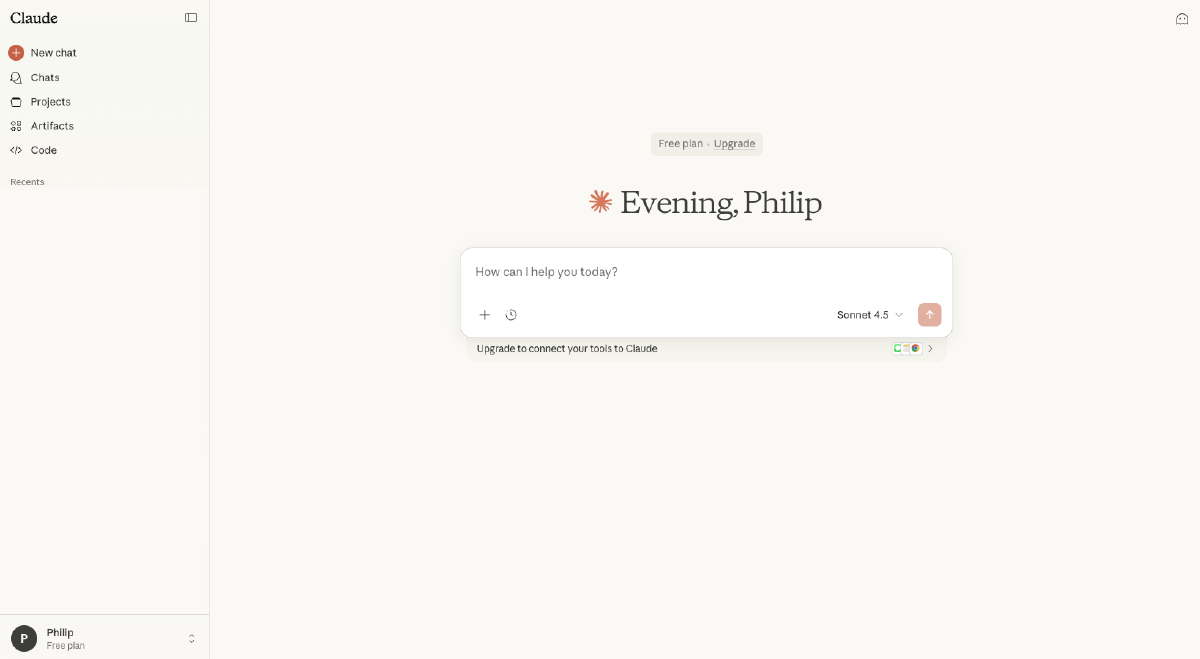
The simplest entry point. Haiku 5.5 is in the Claude apps on web, iOS, and Android across all plans including Free — the right model for the high-volume work most people actually do in a chatbot: summarizing long threads, extracting answers from documents, quick classification-style questions. If you've been rationing the bigger models for routine tasks, this release ends the rationing.
2. Claude Code: Haiku as your coding subagent
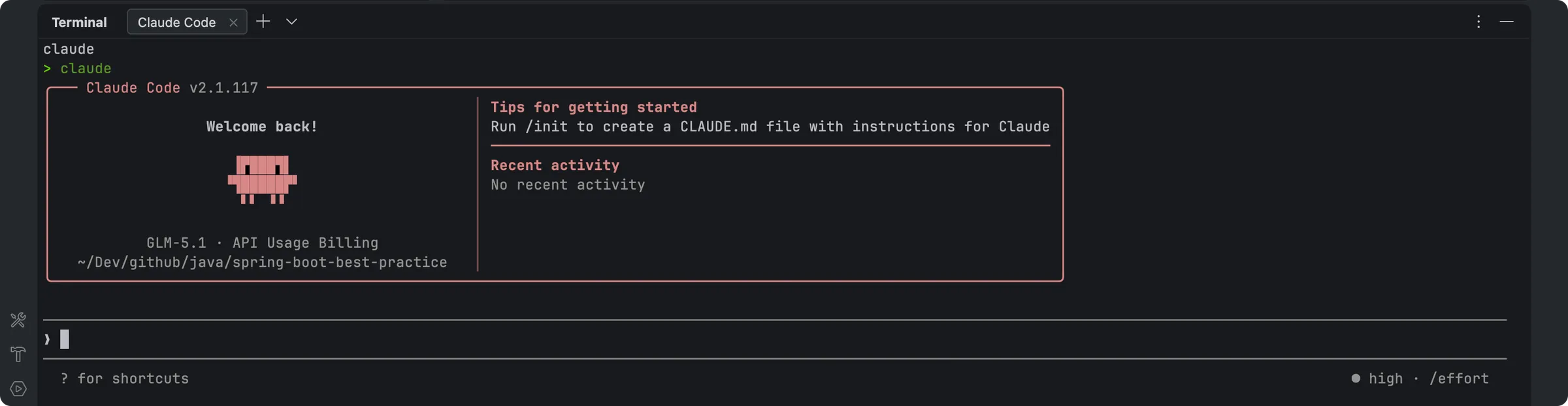
Anthropic's agentic coding tool is where Haiku 5.5's subagent positioning becomes concrete: the fast model handles narrowly scoped jobs — quick edits, terminal tasks, summarizing tool output — while Sonnet or Opus keeps the strategic layer. Anthropic's updated Python and TypeScript SDKs add beta computer-use and browser-use support, with Haiku 5.5 called out as especially well-suited given its speed-to-price ratio. For developers already on Claude Code, routing routine subtasks to Haiku 5.5 is the cheapest upgrade available this month.
3. GitHub Copilot: Haiku inside your IDE
GitHub confirmed Haiku 5.5 generally available in Copilot, positioned for subagents, quick edits, and terminal tasks — arguably the highest-leverage placement of the five, since the developers burning thousands of small model calls a day are the ones living in an editor. Where your Copilot plan lets you pick models per task, Haiku 5.5 is now the economical default for everything that isn't hard reasoning.
4. OpenRouter: one key, every provider
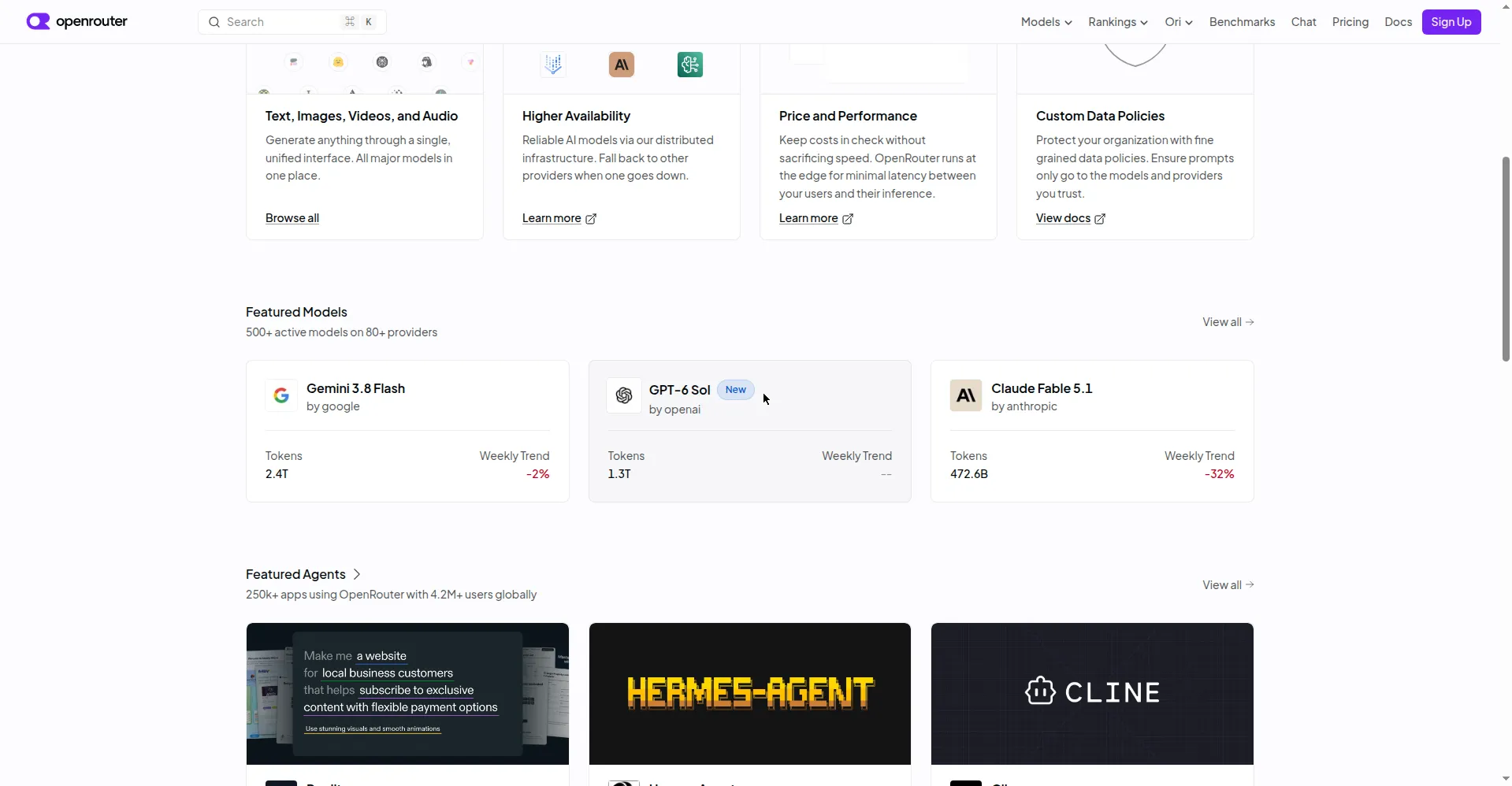
OpenRouter lists anthropic/claude-haiku-5.5 across five providers — the fastest way to benchmark it against GPT-6 Luna or the bigger Claude models without wiring up multiple vendors: same request shape, different model parameter, measured side by side. It also buys provider redundancy: if one backend rate-limits, the request fails over without code changes.
5. Devin: the agentic coder that already trusts it
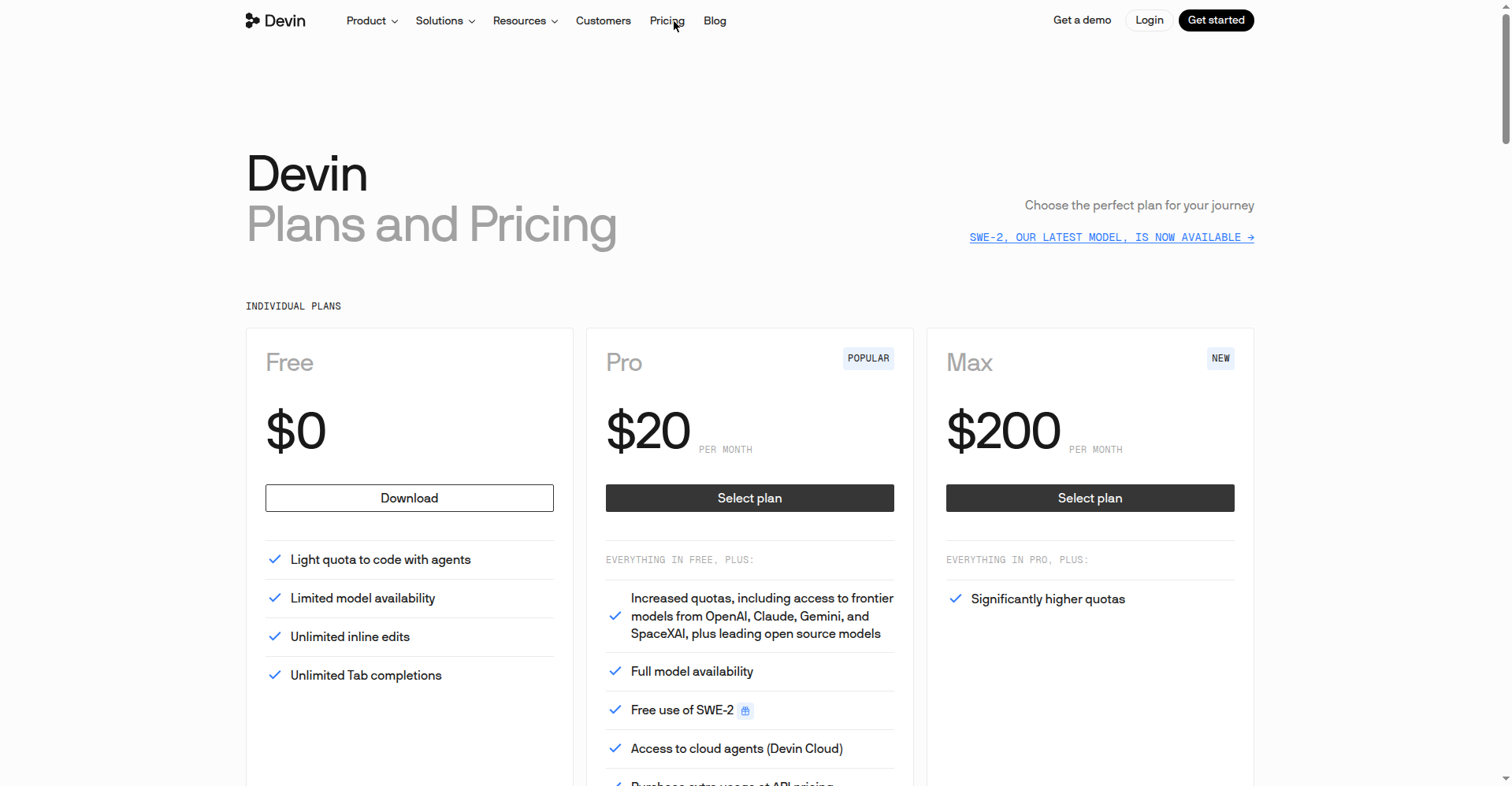
Cognition confirmed Haiku 5.5 as a subagent option in Devin Fusion, reporting a FrontierCode score of 66.2 at reduced cost and latency. When the maker of one of the most demanding agent products in production picks your small model for its worker tier, that is a stronger signal than any benchmark table — and where Devin users will see the cost curve bend down.
Who should switch, and who should wait
Switch now for high-volume, narrowly scoped workloads: support triage, document extraction, moderation queues, RAG reranking, compaction in long agent runs, subagent fleets under a larger orchestrator. Same work, roughly a quarter of the previous bill, with better agentic scores.
Test carefully first if your prompts routinely exceed 100K tokens (the 5x tier changes the calculus), if you depend on non-default sampling parameters or assistant prefills (now hard errors), or if your workload is complex multi-step coding — Anthropic itself still points you at Sonnet 5.5 there. And run your own evals: the benchmark table is Anthropic's, the token-per-task reality is yours to measure.
How to start
On the API, the model ID is claude-haiku-5-5 — start at the default medium effort and only dial up for tasks where your own measurements justify it. In the Claude app it's already on every plan including Free; in Copilot, check your model picker. Migrating from Haiku 4.5? Read Anthropic's migration guide first — the tokenizer change, removed parameters, and new computer-use toolset will bite otherwise. And watch per-task token counts the first week: the headline rate and the invoice can disagree.
Bottom line
Haiku 5.5 is Anthropic's bet that the next phase of applied AI is not a smarter chatbot but cheaper cognition: a model fast and cheap enough to sit inside loops that run thousands of times a day, capable enough to operate a computer while doing it. The 90% price cut gets the headlines, but the OSWorld score is the substance — a small model crossing into agentic territory that used to require a flagship. The economics have a real asterisk in the 100K-token tier boundary and the hungrier tokenizer, so measure your own workloads. But for subagents, support triage, and IDE busywork, this is the new default to beat.
References
- Anthropic, "Introducing Claude Haiku 5.5" (Oct 7, 2026): https://www.anthropic.com/claude-haiku-5-5
- The Tech Portal, "Claude Haiku 5.5 is Anthropic's most capable small model yet" (Oct 8, 2026): https://thetechportal.com/2026/10/08/claude-haiku-5-5-is-anthropics-most-capable-small-model-yet-and-its-far-cheaper-than-predecessor/
- MarkTechPost, "Anthropic Releases Claude Haiku 5.5" (Oct 7, 2026): https://www.marktechpost.com/2026/10/07/anthropic-releases-claude-haiku-5-5-a-small-model-with-1m-context-priced-at-0-10-per-million-input-tokens/
- DevelopersDigest, "Claude Haiku 5.5: Pricing, Migration Changes, and When to Use It" (Oct 8, 2026): https://www.developersdigest.tech/blog/claude-haiku-5-5-release-guide-2026
- AgentBreaking, "Claude Haiku 5.5 Review" (Oct 8, 2026): https://agentbreaking.com/blog/claude-haiku-5-5-review-oct08/