ParseForMe
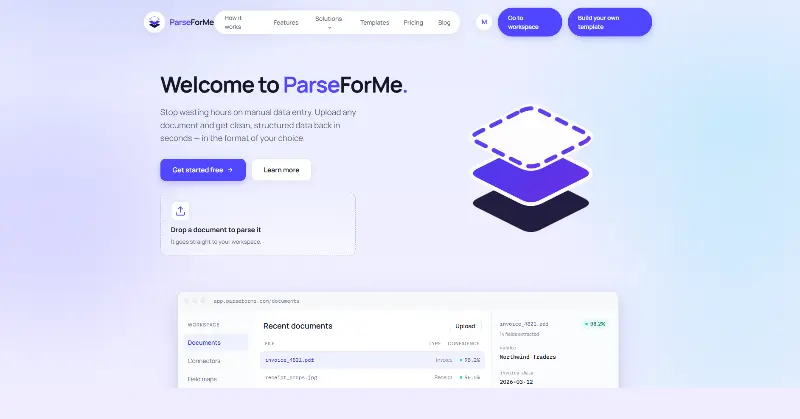
ParseForMe helps people turn invoices, receipts, contracts, and other documents into structured data instantly — no manual data entry required.
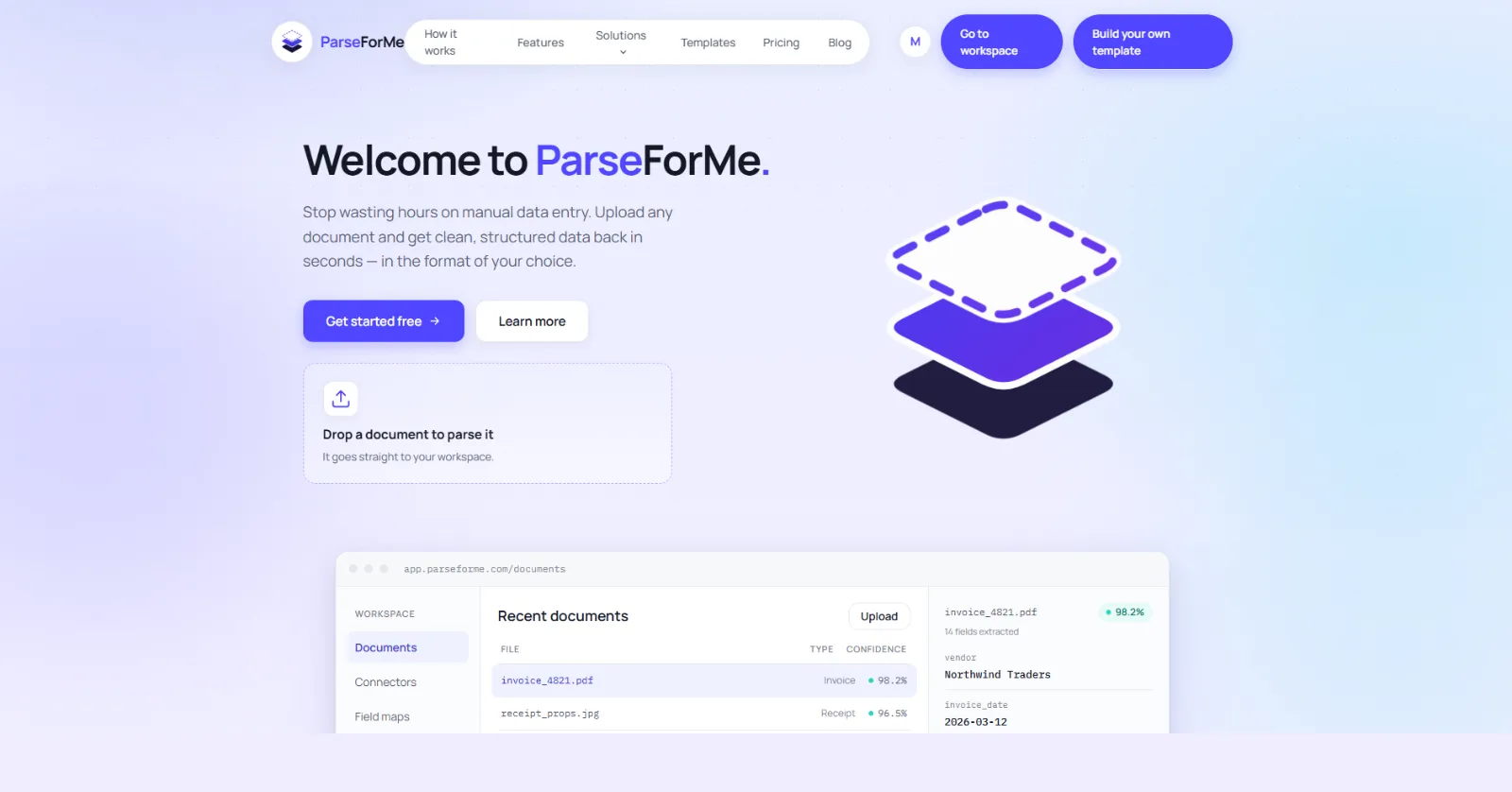
Product screenshot
Overview
What is ParseForMe?
What ParseForMe Does
ParseForMe is an API-first document parsing platform that converts unstructured documents into clean, structured data. Instead of manually retyping information from invoices, receipts, contracts, resumes, and IDs into spreadsheets or internal systems, users can send a document to ParseForMe and get back structured JSON, CSV, or XLSX in seconds.
Core Capabilities Document parsing across invoices, receipts, bank statements, contracts, resumes, and identification documents Flexible export formats — JSON, CSV, or XLSX depending on the workflow API-first design, so parsing can be embedded directly into existing products, internal tools, or automation pipelines Integrations with tools businesses already use, including QuickBooks, Excel, and Zapier Simple, token-based pricing, starting at $19/mo, with no per-seat complexity Workflow
A typical workflow looks like this: a document (PDF, image, or scan) is sent to ParseForMe via the API or dashboard, the platform extracts and structures the relevant fields, and the result is returned in the requested format — ready to plug into a database, spreadsheet, or downstream system. This removes the manual step of a human reading a document and typing its contents elsewhere.
Who It's For
ParseForMe is built for:
Accounting and bookkeeping teams processing high volumes of invoices and receipts Recruitment and HR teams handling large volumes of candidate documentation Operations and back-office teams looking to cut down on manual data entry Developers and SaaS companies who want to embed document parsing directly into their own products via API Why It's Useful
Manual document processing is slow, repetitive, and error-prone — especially at scale. ParseForMe removes that bottleneck, giving teams back the time they'd otherwise spend on tedious data entry, while reducing the mistakes that come with manual transcription. It's built by AutonomyXAI, and the idea came from a real, firsthand need to solve this exact problem at scale.
Platforms and languages
ParseForMe Availability
Platforms
Languages
Product video
ParseForMe in action
Plans and access
ParseForMe Pricing
Freemium
Common questions
ParseForMe FAQs
Compare similar tools
ParseForMe Alternatives
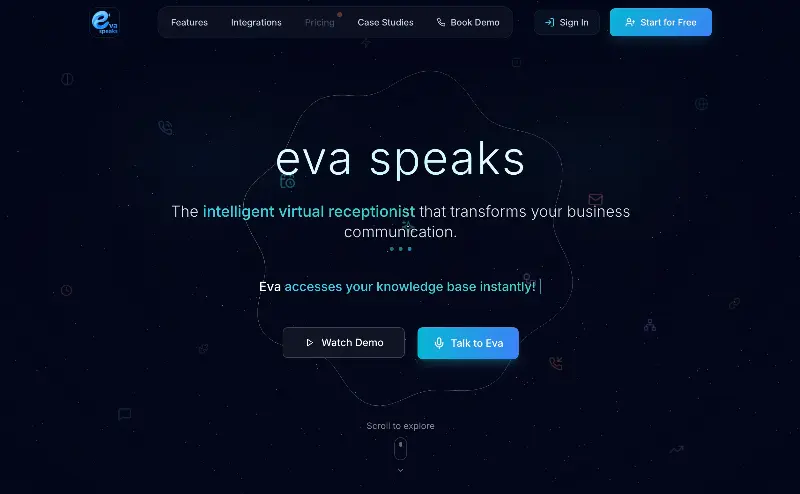 EvaSpeaksEvaSpeaks is an AI-powered virtual receptionist that answers calls 24/7, handles customer inquiries, schedules appointments, captures leads, and routes calls to the right team. It helps businesses improve response times, reduce missed opportunities, automate routine communication, and provide reliable customer support even outside regular business hours.5.0(1 reviews)AI Business SolutionsAI Voice RecognitionAI WorkflowAI receptionist
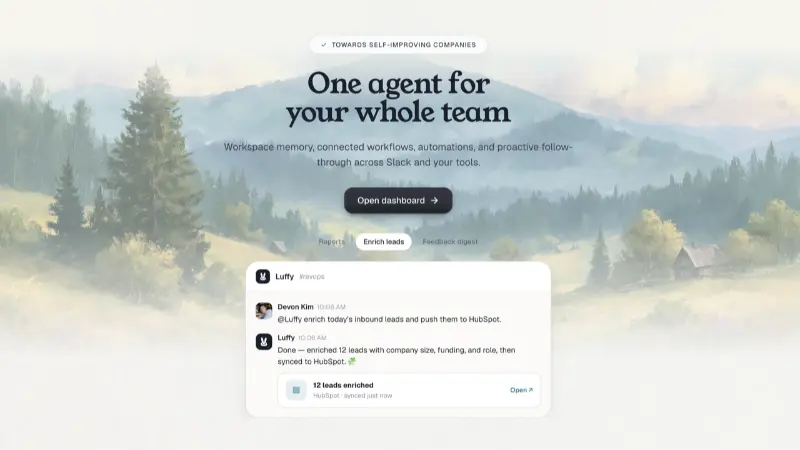 LuffyAI employee that gets work done directly in Slack5.0(1 reviews)AI Productivity ToolsAI Personal AssistantsAI WorkflowAI assistantautomationworkflow
 OpuslyOpusly is an AI studio for creators — generate images and videos with auto-picked best models (Nano Banana 2, GPT-Image-2, Seedance 2.0), or use one-click scene templates like Italian Brainrot and MSPaintify. Free signup includes 30 credits.AI Image GenerationAI Video CreationAI Design Art
 ImgfreeImgfree is a free AI image and video generator that allows users to create stunning visuals from text prompts, offering unlimited access to various AI models without the need for credits.AI Image GenerationAI Video CreationAI Design Art
 Modellix.aiModellix is a MaaS (Model as a Service) platform that provides unified API access to maintream AI models, covering text-to-image, text-to-video, image-to-image, image-to-video, video editing, and more. Supported models include Nano Banana, Kling, Veo, Seedance, Seedream, Minimax, Qwen, Wanx, GPT, and others.
Whether you’re a developer building AI-powered applications or a creator producing visual content, Modellix provides the tools you need through a single API.AI Video CreationAI Marketing ToolsAI Image Generation
Modellix.aiModellix is a MaaS (Model as a Service) platform that provides unified API access to maintream AI models, covering text-to-image, text-to-video, image-to-image, image-to-video, video editing, and more. Supported models include Nano Banana, Kling, Veo, Seedance, Seedream, Minimax, Qwen, Wanx, GPT, and others.
Whether you’re a developer building AI-powered applications or a creator producing visual content, Modellix provides the tools you need through a single API.AI Video CreationAI Marketing ToolsAI Image Generation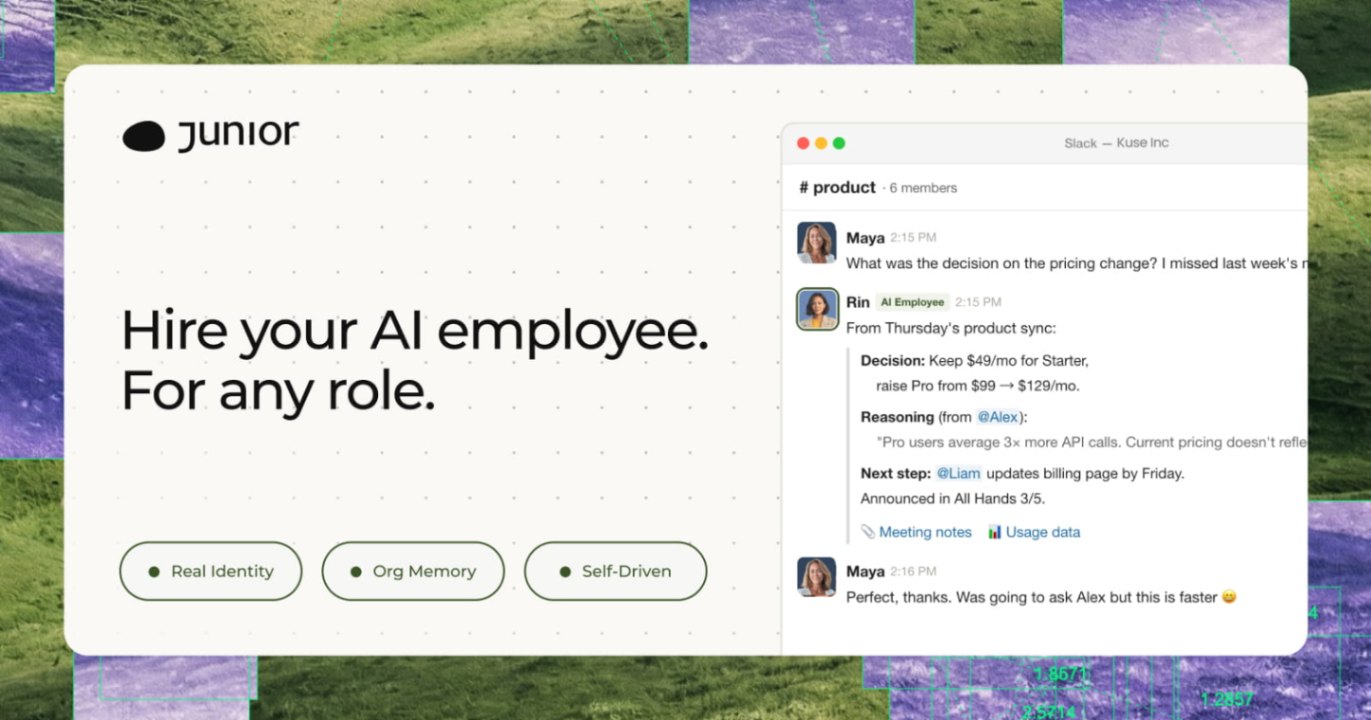 JuniorJunior is an AI employee that works inside your Slack, Teams, Lark, or Telegram. It connects to 3,000+ tools and handles sales ops, from outreach and CRM updates to follow-ups and pipeline reports. Built-in approval gates keep your team in control of every outbound action. Featured in Bloomberg, Business Insider, and LinkedIn News.AI Productivity ToolsAI Text WritingAI WorkflowAI
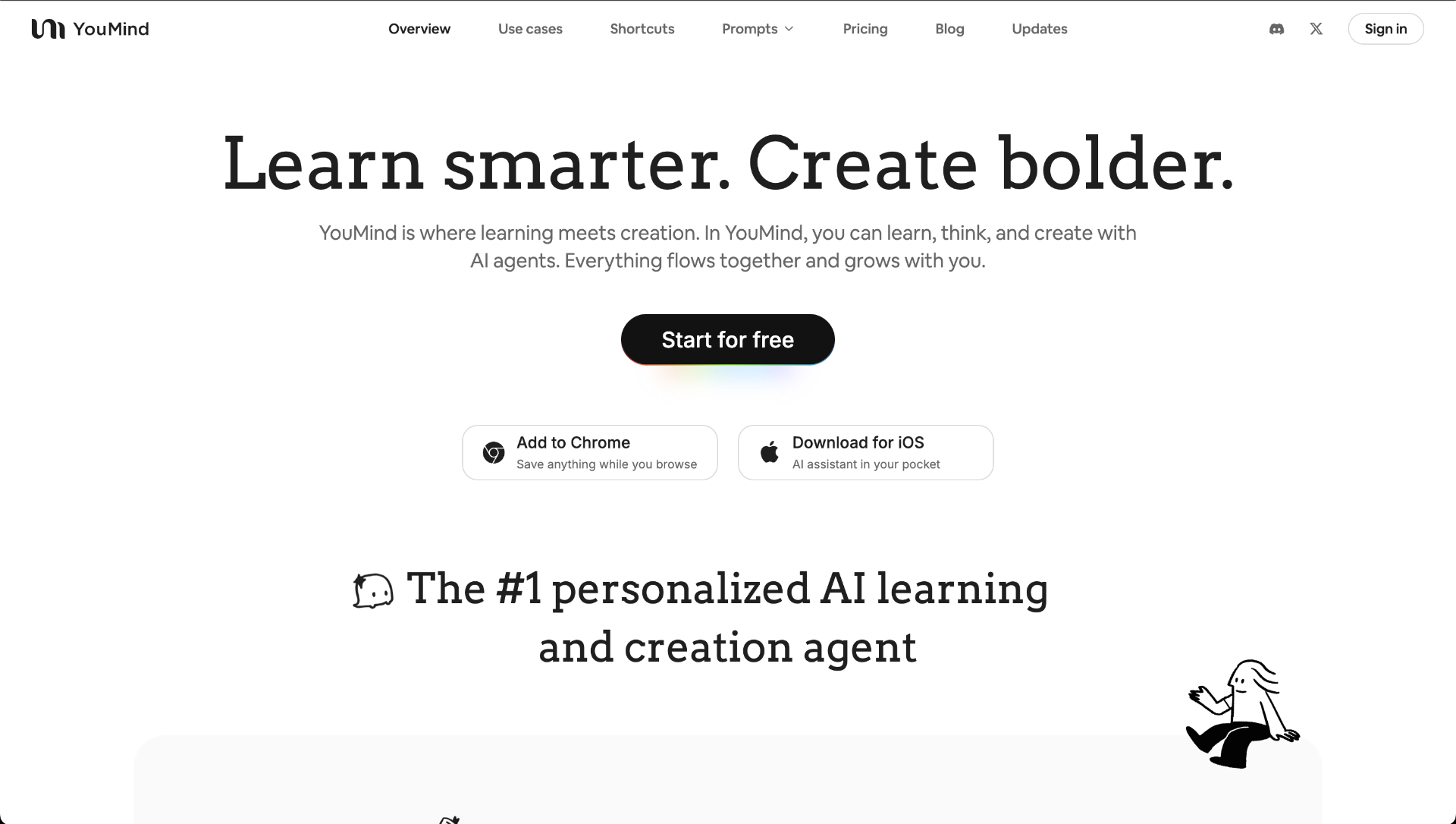 YouMindYouMind is an innovative creation agent that harnesses the power of generative AI to transform diverse materials into inspired creations.5.0(1 reviews)AI Image GenerationAI Text WritingAI Workflow
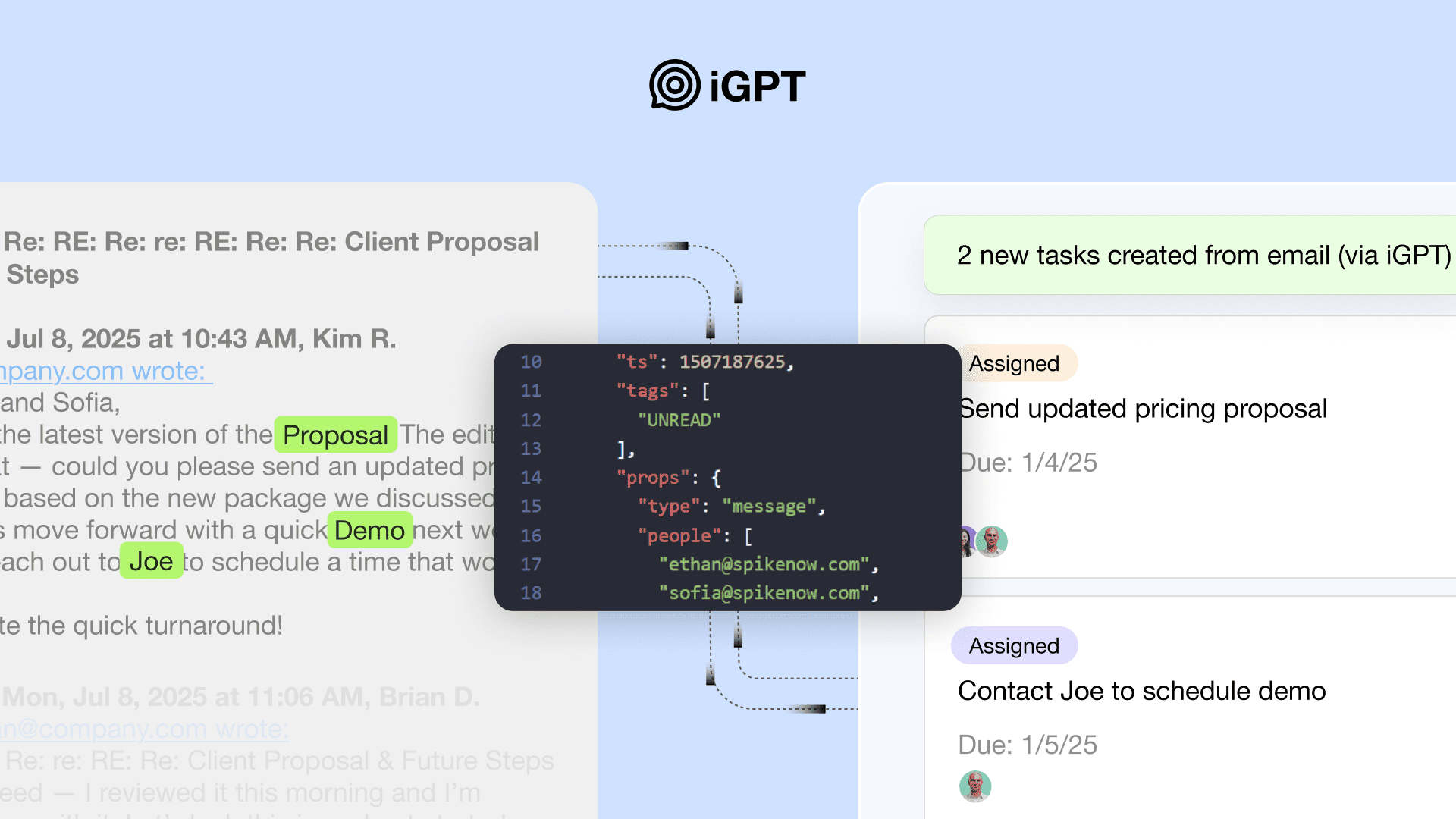 iGPTiGPT provides enterprises with a secure, auditable API gateway for agents to safely access and interpret email and communication data.5.0(1 reviews)AI Business Solutions
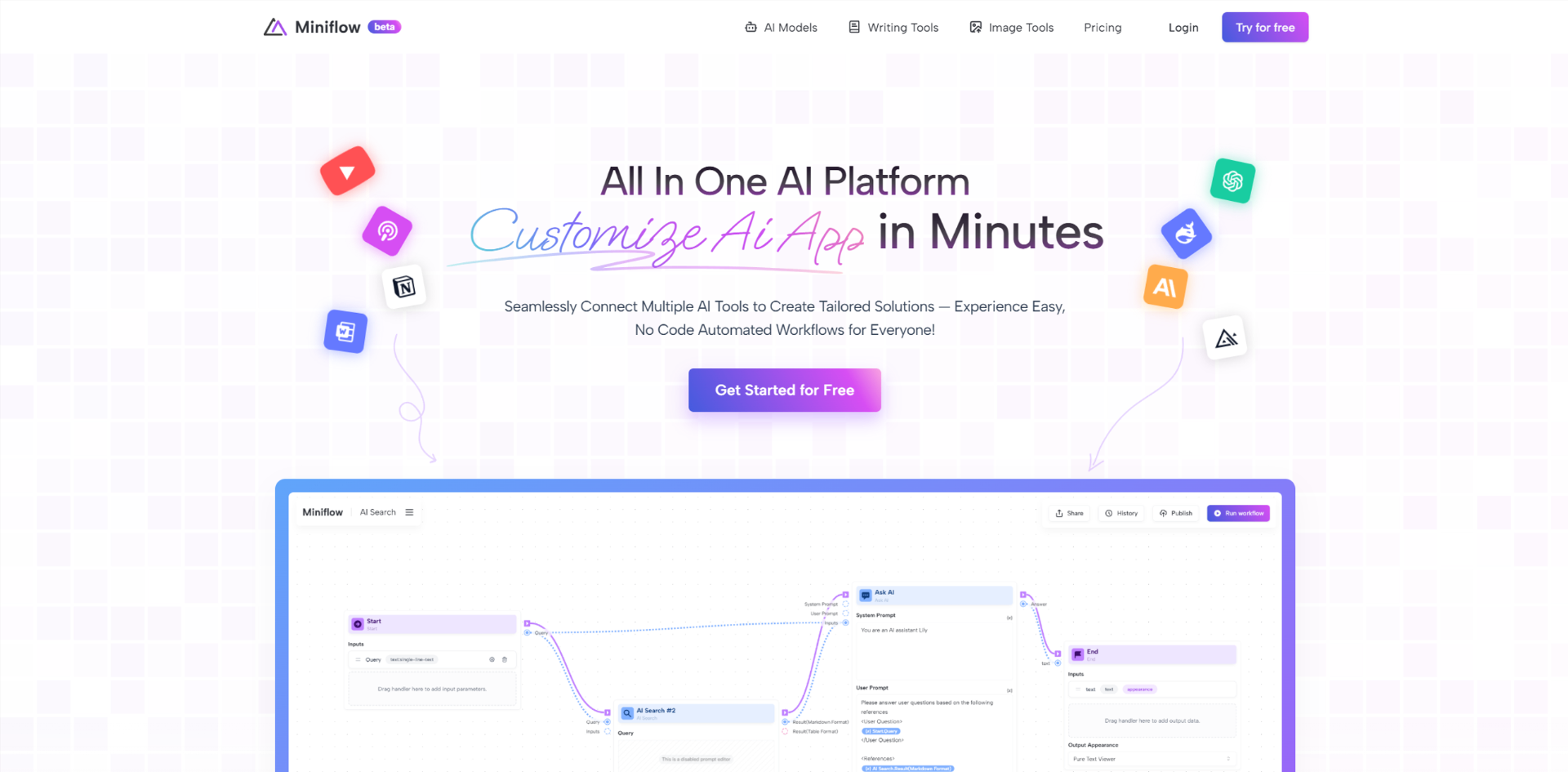 Miniflow AISeamlessly Connect Multiple AI Tools to Create Tailored Solutions — Experience Easy, No Code Automated Workflows for Everyone!5.0(1 reviews)AI WorkflowAI Productivity Tools
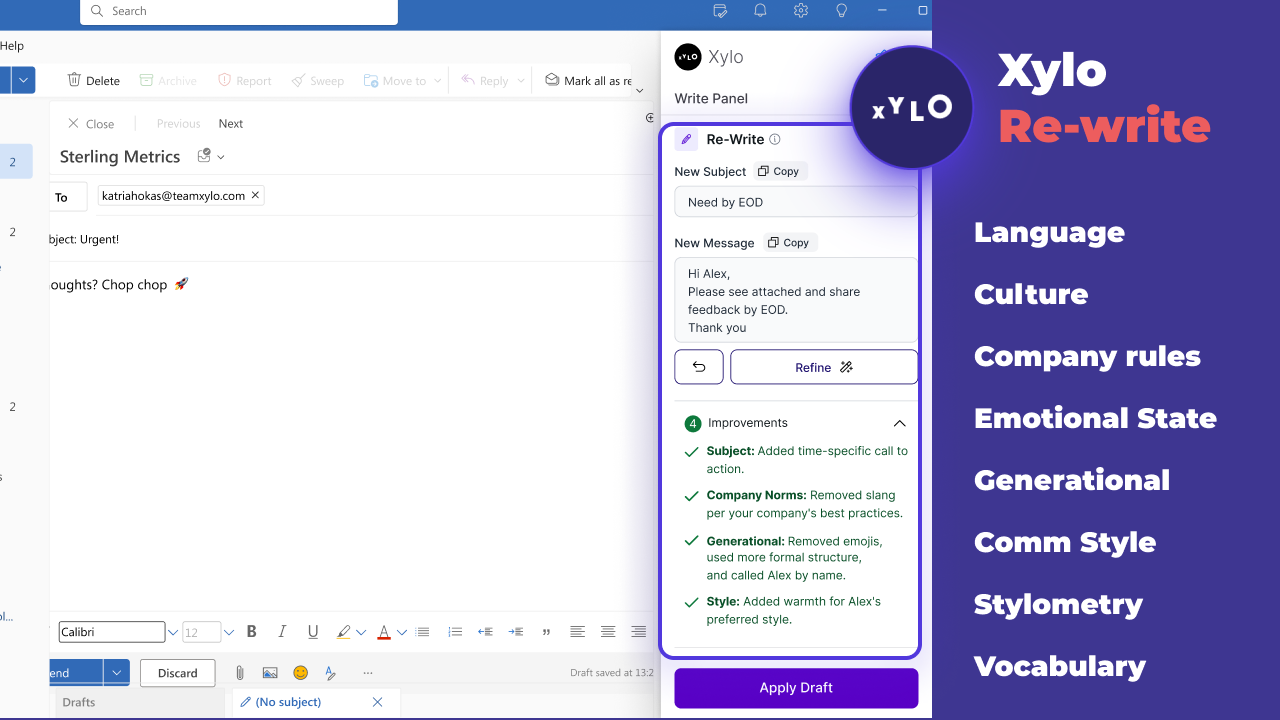 Xylo AISupporting productive working relationships and written communication with emotionally intelligent AI email assistant.AI Business SolutionsAI WorkflowAI Productivity Tools
Reviews
See what the community thinks and share your experience.
—
Based on 0 ratings
Rating distribution
Community reviews
No reviews
No written reviews yet.